
63 of 217 Patients Positive in North Sulawesi Zoonotic Virus Surveillance Published in Scientific Reports
Scientific Reports published a zoonotic virus surveillance study from North Sulawesi, Indonesia, on November 13, 2026. The study aimed to detect viruses circulating in people who have close contact with animals, including wildlife, poultry and companion animals, and to provide baseline data on viral families and genera with zoonotic potential. The study was conducted from November 2017 to December 2018 in Minahasa Regency, North Sulawesi, at one district hospital, Noongan Hospital, and one primary health center, Puskesmas Kawangkoan, as part of the United States Agency for International Development's Emerging Pandemic Threats PREDICT project. The study enrolled 217 patients over two years old presenting with severe or acute respiratory illness, influenza-like illness, fever of unknown origin, encephalitis or hemorrhagic fever. Specimens were screened by PCR for nine viral families and genera with pandemic potential or endemic significance, including filovirus, paramyxoviruses, influenza, coronavirus, hantavirus, henipavirus, pneumovirus, flavivirus and enterovirus. Among the 217 patients enrolled, 63 patients, or 29 percent, had confirmed positive laboratory results for viral infection. The authors noted that North Sulawesi has a tradition of consuming wildlife meat, including bats, rodents, snakes and dogs, and that the study provides pre-COVID-19 baseline data.
(Source: Scientific)
Source: Scientific
Published by GSM · USA (original Chinese edition)
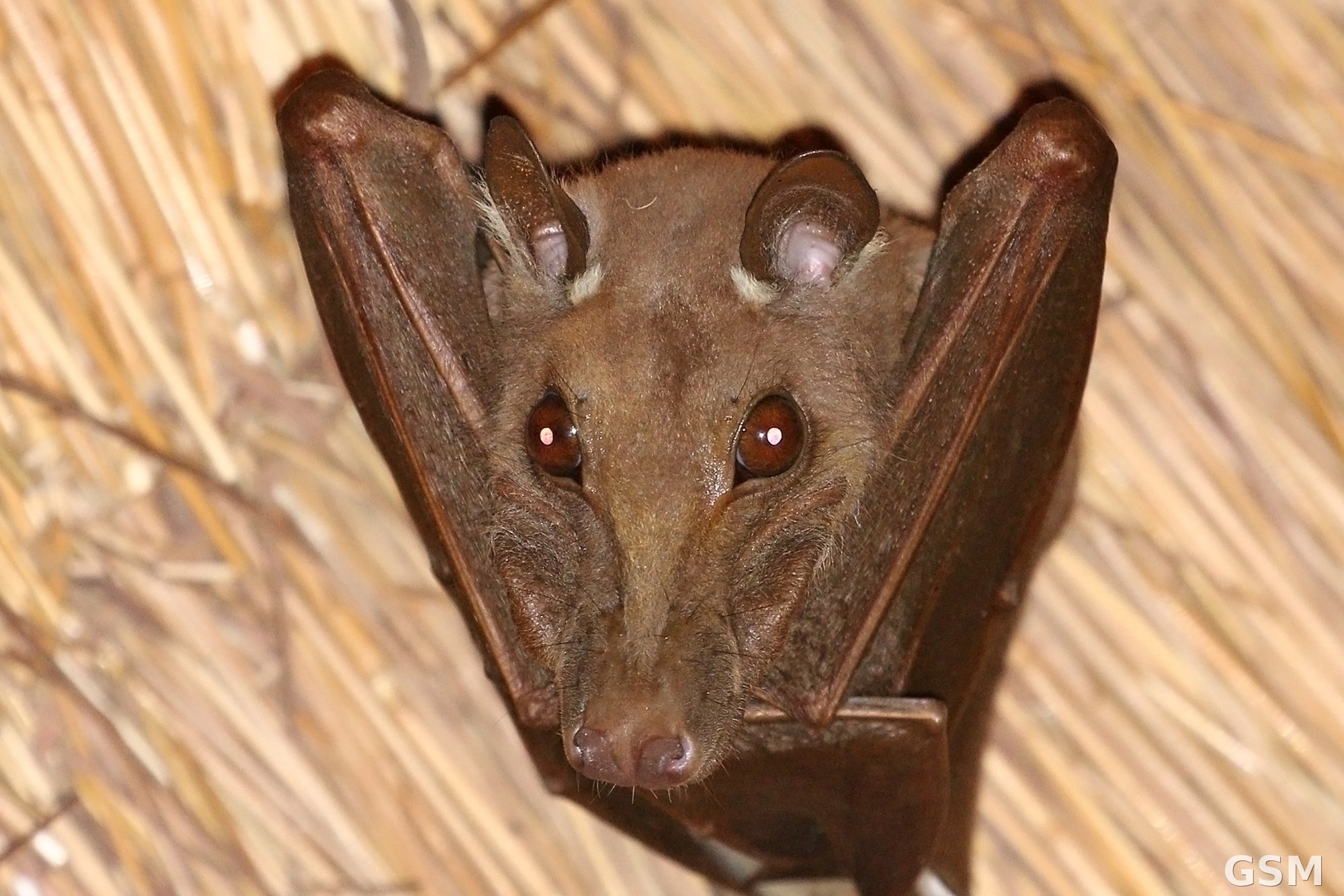
Photo: 图:一只冈比亚肩章果蝠。Charles J. Sharp,CC BY-SA 4.0,经 Wikimedia Commons。 / Photo: Charles J. Sharp, CC BY-SA 4.0, via Wikimedia Commons.
 Silicon Carbide Nanomaterials in Disc Brake Pads: 0.5% Loading Raised Average Brake Force by Up to 19%, With Fade Resistance Up to 130°C2026-11-14
 PEBA-PEMA Blend Membrane Separates 1-Butanol With Flux of 0.19 kg/m2/h and Separation Factor of 15.5 at 5 Percent PEMA, Published in Scientific Reports on November 132026-11-14