
US Home Heating Bills Are Forecast to Average $1,002 This Winter, Up 7.1 Percent: Heating-Oil Households in the Northeast Face $2,977, Up 70.2 Percent, and About One in Six Households Are Behind on Utility Payments
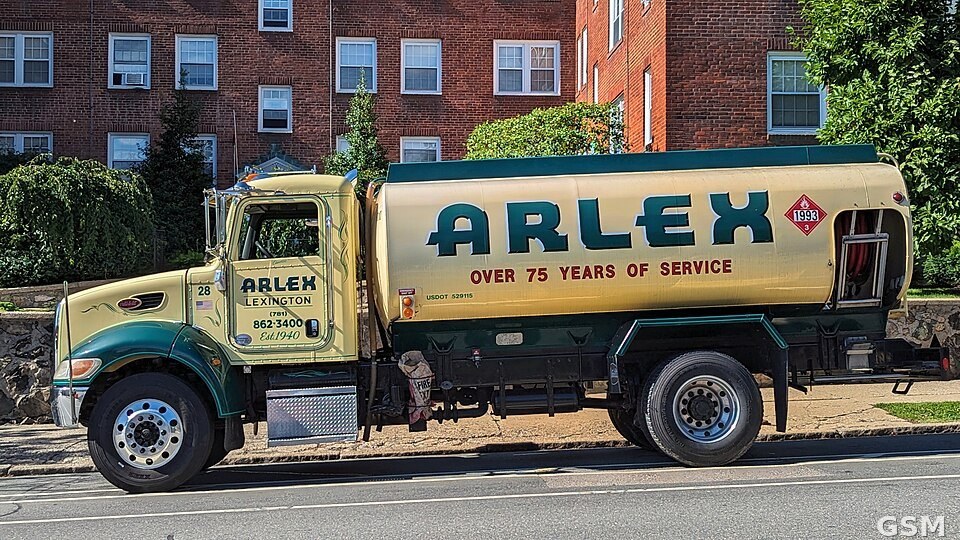
American households are projected to spend an average of $1,002 on home heating this winter, a 7.1 percent or $66 increase from last winter, according to a new forecast from the National Energy Assistance Directors Association, the New York Post reported.
Households in New York and nearby states that rely on heating oil will see their costs rise to $2,977 this winter, a 70.2 percent jump from $1,749 last year, according to the association. Nearly 5 million United States households depend on the fuel, concentrated primarily in the Northeast and Alaska. Electricity and propane costs are projected to increase 6 percent and 5 percent, respectively, while natural gas costs are expected to remain roughly the same.
Heating oil is essentially the same distillate as diesel, which is also used to make jet fuel. Refiners facing shortages have been forced to make choices about whether to produce jet fuel or heating oil, which could worsen shortages further, according to Joe Adamski, managing director of ProcureAbility, a supply chain consultancy. Heating oil costs are a direct consequence of the Iran war, Adamski told the Post. We have been saying for months that come winter, heating oil was going to be at a premium due to Gulf events, and now we have arrived, he said.
National average residential heating oil prices fell to $6.14 a gallon in the week ending November 2, down from $6.23 a gallon, according to the United States Energy Information Administration, but are still roughly 69 percent higher than the same time last year. Heating oil is primarily used in older homes built before 1990, which are largely concentrated in the Northeast. According to United States Census Bureau data, about 59 percent of Maine households rely on heating oil, as do 43 percent in New Hampshire, 40 percent in Vermont and 39 percent in Connecticut.
For higher-income households, these increases may be an inconvenience; for low- and middle-income families, they can be devastating, Mark Wolfe, executive director of the association, said in a statement. Families are already struggling with rising costs for food, housing and other necessities, and adding hundreds or even thousands of dollars to their winter heating bills will push many of them further into debt, he said. About one in six households are behind on their utility payments, owing about $23 billion, the association said.
Adamski also noted that experts are forecasting a milder start to the winter season due to a strong El Nino pushing the jet stream further south and east, which could mitigate heating oil usage and keep average costs lower. Wolfe said that while the recent decline in heating oil prices is welcome news, families should not assume that prices will continue to fall, that the situation in the Strait of Hormuz remains highly volatile, and that for planning purposes it is prudent to assume that heating oil prices will remain elevated throughout the winter heating season, and states need to prepare for the possibility that prices will stay high.
Source: National Energy Assistance Directors Association
Published by GSM · USA (original Chinese edition)
Photo: 图:马萨诸塞州阿灵顿的一辆取暖油配送车(资料图,东北部是取暖油家庭集中的地区)。图中是一辆停靠路边的取暖油配送卡车。Daderot,CC0(按 Wikimedia Commons 文件页抄录),经 Wikimedia Commons。 / Photo: file photo related to this report. Daderot,CC0(按 Wikimedia Commons 文件页抄录), via Wikimedia Commons.
 Ohio County Family Resource Network Holds a Food Distribution in Wheeling, West Virginia, After Its September Distribution Served 230 Households2026-11-14
 Salvation Army of Milwaukee County Launches Its 2026 Red Kettle Campaign on November 13 After the 2025 Campaign Raised Over 3.2 Million Dollars2026-11-14