
The J-1 Two-Year Home-Residence Rule Explained: Who Is Subject and the Five Waiver Routes
Some J-1 exchange visitors must live in their home country for two years after their program before they can obtain certain U.S. immigration and work visas. The requirement, in section 212(e) of the Immigration and Nationality Act, is administered by the U.S. Department of State, which runs the Exchange Visitor Program. It does not bar a return visit or a new exchange program. What it blocks is the step of changing status or settling long term.
Three groups are subject to the requirement: exchange visitors whose programs were financed in whole or in part, directly or indirectly, by the U.S. government or their home government; those whose field of specialized knowledge or skill appears on the Exchange Visitor Skills List for their country; and those who came to the United States for graduate medical education or training. The first places to check are the annotation on the Form DS-2019 and the visa. For a definitive answer, the State Department's Waiver Review Division can issue an advisory opinion.
Until the two years are completed or a waiver is granted, a person who is subject cannot change status inside the United States, adjust to permanent residence, or receive an immigrant visa or an H, L or K visa. The two years are counted in the aggregate: periods of physical presence in the country of nationality or last legal permanent residence can be added up across separate stays. A J-2 spouse or child is subject to the same requirement as the J-1.
Those who cannot complete the two years may apply for a waiver, but only under one basis. The five bases are: a No Objection Statement from the home government; a request by an interested U.S. federal government agency; persecution on return; exceptional hardship to a U.S. citizen or lawful permanent resident spouse or child; and, for foreign medical graduates, a request by a designated state public health department under the Conrad State 30 Program. Waiver applications go to the State Department's Waiver Review Division on the online Form DS-3035, and persecution and exceptional-hardship cases must also file Form I-612 with U.S. Citizenship and Immigration Services.
The State Department notes that waiver applications from exchange visitors who received U.S. government funding are generally denied, because the program and foreign-policy considerations behind the requirement usually outweigh the reasons given, and processing fees are not refundable. Students and scholars planning what comes after an exchange program should confirm early whether section 212(e) applies to them, and build the home-residence period or a waiver application into their timeline.
(Source: U.S. Department of State)
Source: U.S. Department of State
Published by GSM · USA (original Chinese edition)
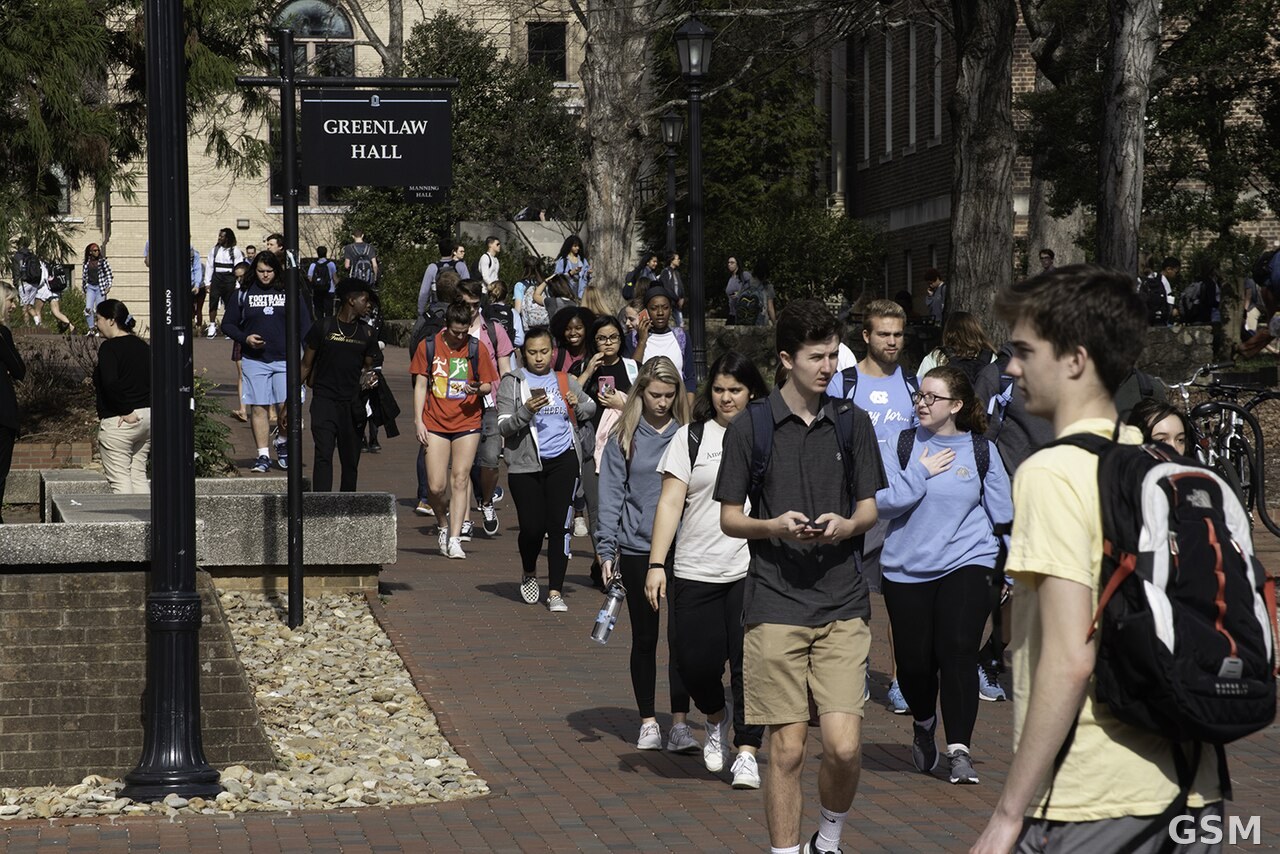
Photo: 图片来源:Wikimedia Commons「Students walking through UNC campus」(CC BY-SA 4.0),图中为大学生在校园内行走 Image: Wikimedia Commons, "Students walking through UNC campus" (CC BY-SA 4.0), showing university students walking on campus
 International Student Arrivals in August Fall to 277,000, Down 28% From 2024: Chinese Students Down About 23,000, PhD Applications Drop 21%2026-11-14
 Etowah County Schools in Alabama Earns a Second Straight A on the State Report Card: Overall Score of 90, With 6 Schools Earning an A and 8 Schools Raising Their Scores2026-11-14