European Sea Bass Transport Stress Study: Cortisol in Mucus, Scales and Water Tracks Plasma After 4-Hour Transport
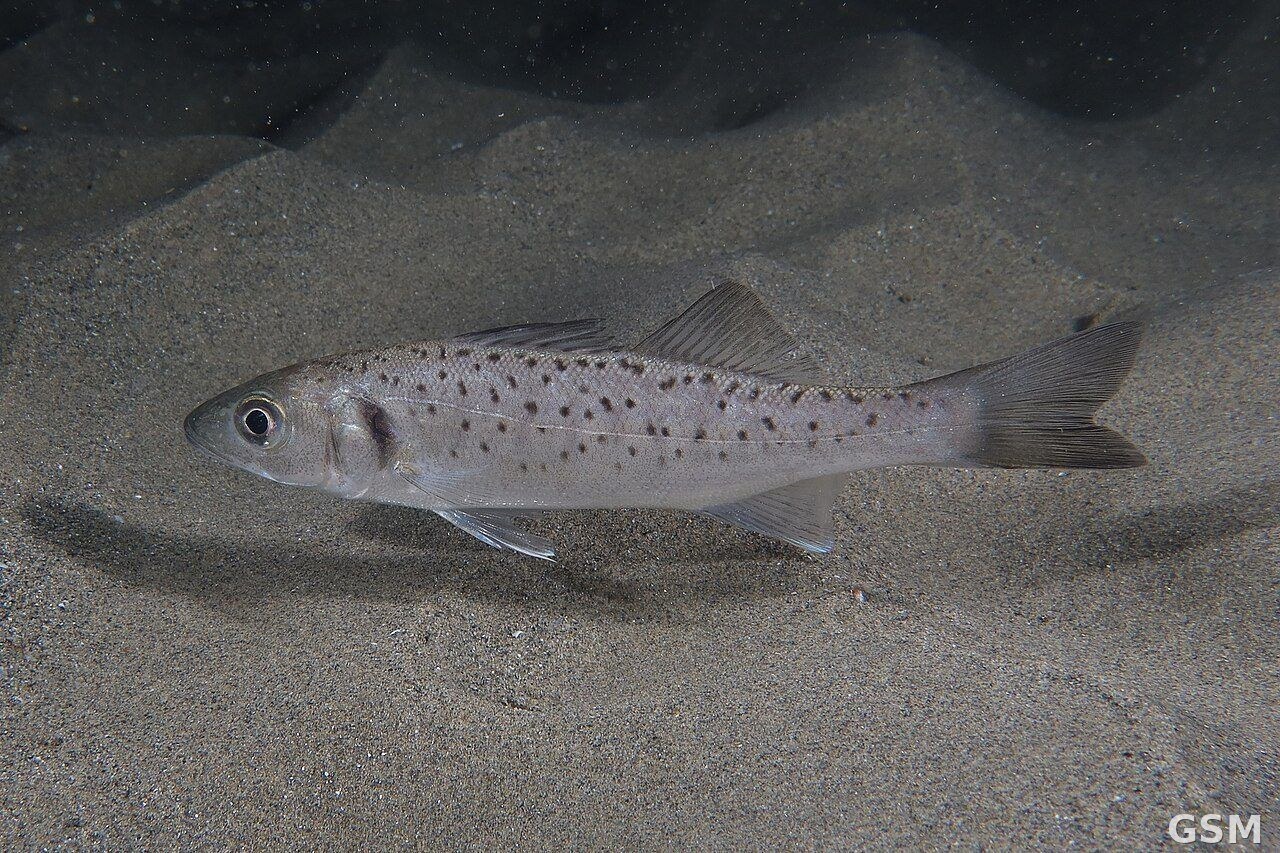
A study published in Scientific Reports on November 14 examined the physiological and molecular responses of European sea bass (Dicentrarchus labrax) to transport stress, evaluating less-invasive and non-invasive monitoring methods. The work, by Simó-Mirabet, Rodríguez-Viera, Molina-Roque and colleagues, was received on July 2 and accepted on September 29.
Sea bass juveniles were transported for 4 hours and sampled either immediately after transport (TRANSP group) or after a 24-hour recovery period (RECOV group), alongside undisturbed control groups (CTRL1 and CTRL2). Cortisol was measured across four matrices: plasma, skin mucus, scales and water.
Typical short-transport responses were observed, including water acidification, increased haemoglobin and reduced haematocrit, and cortisol levels increased significantly across all evaluated matrices in the transported fish. Positive correlations between cortisol in mucus, scales and water relative to plasma confirm these alternative matrices as reliable, less-invasive tools for stress evaluation.
Secondary stress responses included higher plasma glucose, triglycerides and lactate, alongside depleted liver glucose and muscle lactate. Transcriptional changes included upregulation of cxcr4, il10 and hsp70 in the head kidney, and crhbp and hsp70 in the brain. The authors concluded that transport triggers clear stress responses that can be detected by less-invasive and non-invasive monitoring.
Source: Scientific Reports
Published by GSM · USA (original Chinese edition)
Photo: 图:一条欧洲海鲈(Dicentrarchus labrax)在水中。作者:Julien Renoult,CC BY 4.0,维基共享资源。 / Photo: A European sea bass (Dicentrarchus labrax) underwater. Credit: Julien Renoult, CC BY 4.0, via Wikimedia Commons.