FDA Recalls About 51,762 ORL Labs Toothpaste and Mouthwash Units After Hormone Contamination Detected
Recall information published by the U.S. Food and Drug Administration shows that ORL Labs LLC, based in Scottsdale, Arizona, is recalling approximately 51,762 units of its Organic Oral Care products nationwide. Sampling detected progesterone, estradiol or dehydroepiandrosterone (DHEA) in some products, and the company attributed the issue to cross-contamination.
The recall covers six products. The three toothpastes, all in 4-ounce tubes, are Fresh Mint Natural Toothpaste with 19,247 units, Cinnamint Toothpaste with 7,202 units and Bubblegum Kids Natural Toothpaste with 3,976 units. The three mouthwashes, all in 16.9-ounce bottles, are Fresh Mint Mouthwash with 12,081 units, Cinnamint Kids Mouthwash with 6,140 units and Bubblegum Kids Mouthwash with 3,116 units. Three of the six products are marketed for children. The affected products carry expiration dates ranging from September 2026 through August 2028, and consumers can check the UPC codes and lot numbers printed on the packaging.
The FDA classified the recall as Class II on November 6. Under the agency's description, a Class II recall means exposure may cause temporary or medically reversible health consequences, while the likelihood of serious adverse health consequences is considered remote. No illnesses had been reported in connection with the recalled products.
The agency said progesterone and estradiol are hormones used in certain contraceptives and hormone replacement therapies, while DHEA is a hormone naturally produced by the adrenal glands. Consumers who bought an affected product should check the packaging against the recall list, stop using it, and discard it or contact the retailer about a possible return.
Source: U.S. Food and Drug Administration
Published by GSM · USA (original Chinese edition)
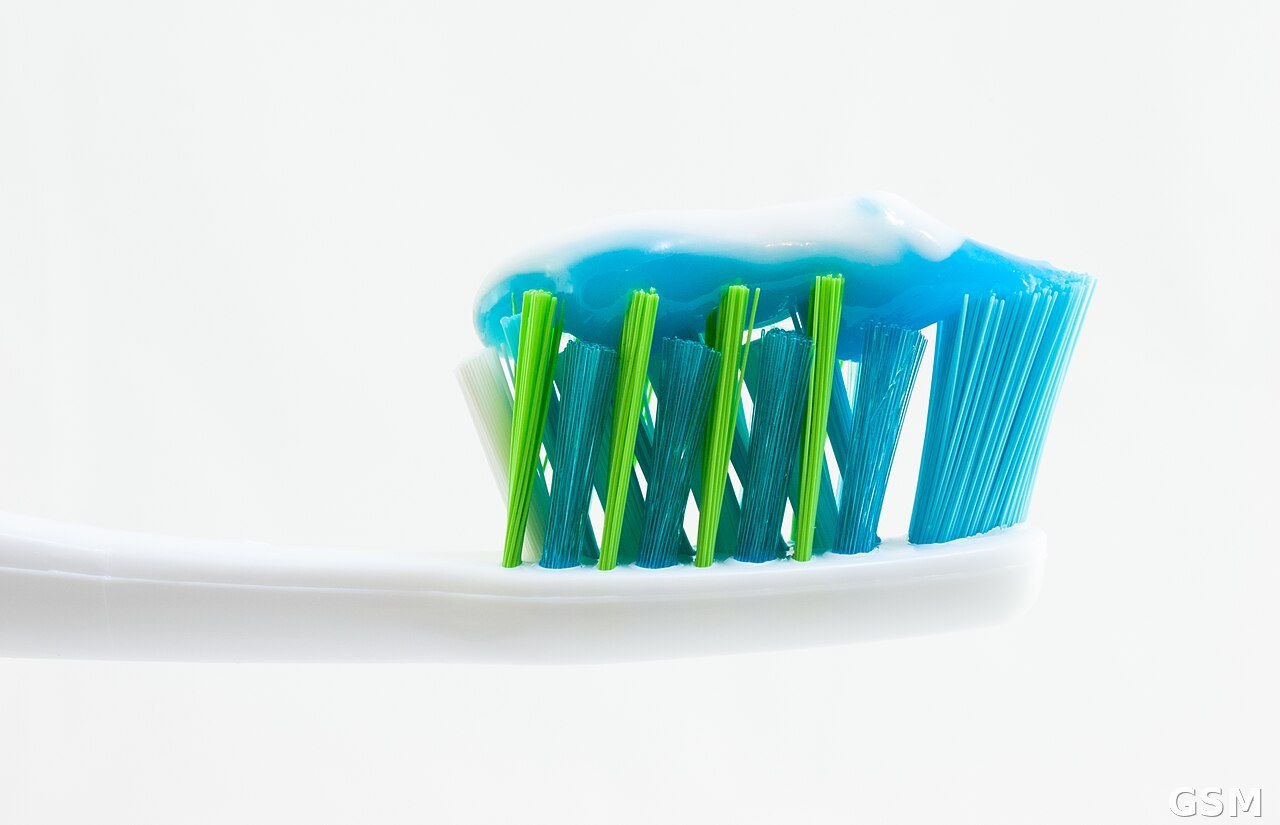
Photo: 图:一把挤有牙膏的牙刷特写(资料图)。作者:William Warby,CC BY 2.0,维基共享资源。 / Photo: Close-up of a toothbrush with toothpaste (file photo). Credit: William Warby, CC BY 2.0, via Wikimedia Commons.