Cape Verde President Neves Wins Re-election With 63.8% of the Vote, Provisional Results Show
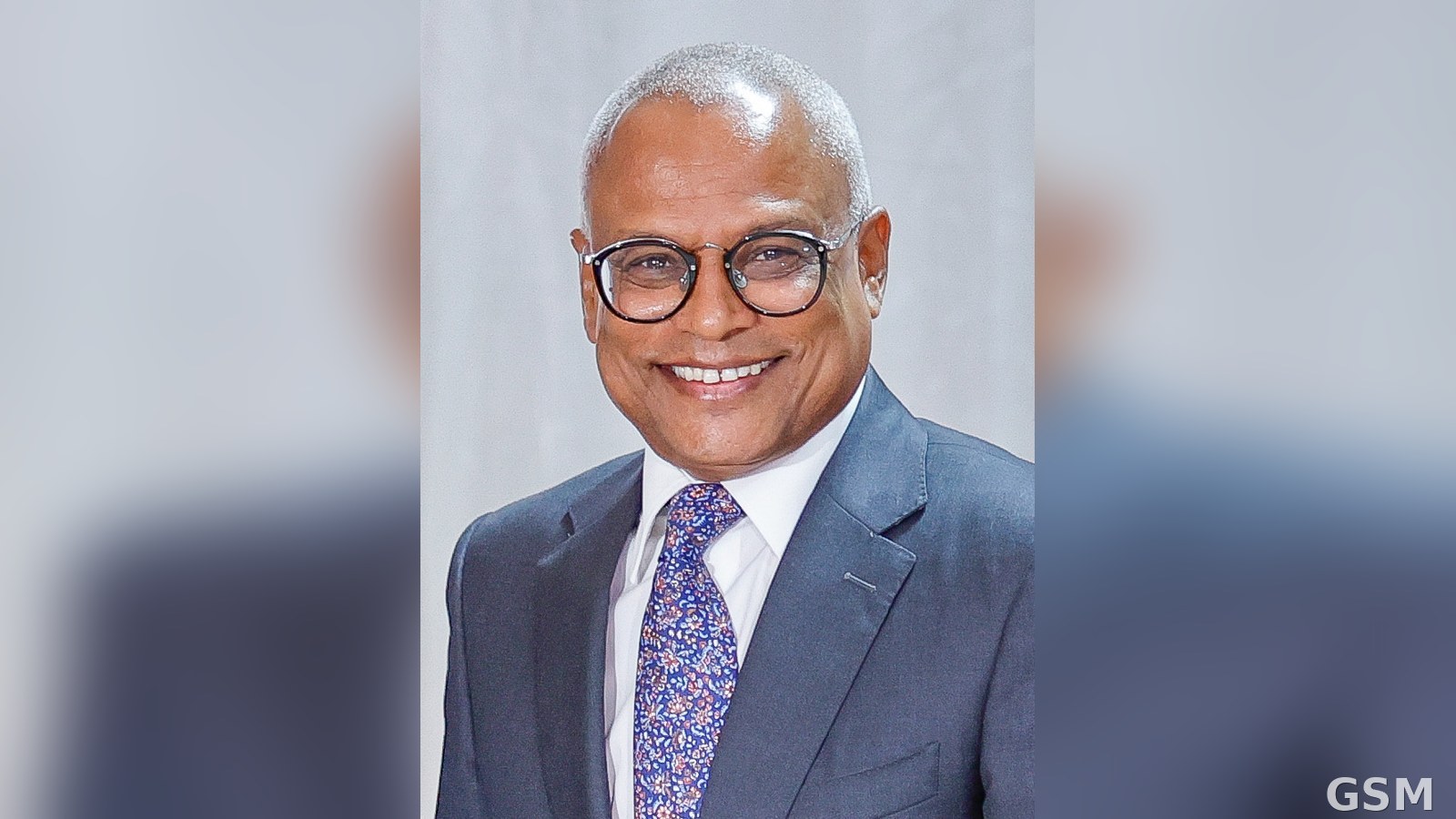
Cape Verde's President José Maria Neves easily won re-election in Sunday's presidential election, taking 63.8 percent of the ballots cast, according to provisional results from the country's electoral commission reported by AFP, avoiding a runoff.
The West African archipelago, located in the Atlantic Ocean about 600 km off the coast of Senegal and made up of 10 volcanic islands, has nearly 420,000 eligible voters. Six candidates ran; Neves's main challenger was former justice minister Joana Rosa Amado, the country's first-ever female presidential candidate. Some 150 observers from the Economic Community of West African States, the African Union and the European Union monitored the vote.
Neves, 66, was first elected president in 2021 and previously served as prime minister from 2001 to 2016. He is backed by the African Party for the Independence of Cape Verde (PAICV), which won legislative elections in May and now leads the government. Cape Verde has a semi-presidential system in which the president acts mainly as an arbiter, guaranteeing unity and upholding the constitution, and appoints the prime minister based on legislative results.
Cape Verde is regarded as a model of democracy in Africa; the Mo Ibrahim Foundation's 2026 governance index ranks it third out of 54 African countries, and the World Bank classified it as an upper-middle-income country in July. The country still faces persistent social inequality, a rising cost of living, fuel prices and youth unemployment, which were central campaign issues. The provisional results await formal confirmation by the electoral commission.
Related: Cape Verde Holds Presidential Election as Neves Faces First Female Candidate
(Source: AFP)
Source: AFP
Published by GSM · USA (original Chinese edition)
Photo: 图:佛得角总统若泽·马里亚·内维斯资料图(2023年)。Ricardo Stuckert/巴西总统府 摄,CC BY 2.0,经 Wikimedia Commons;竖幅原图以模糊衬边完整呈现、头部完整。 / Photo: Cape Verde President José Maria Neves in 2023. Photo by Ricardo Stuckert / Palácio do Planalto, CC BY 2.0, via Wikimedia Commons; portrait presented in full with blurred side padding.