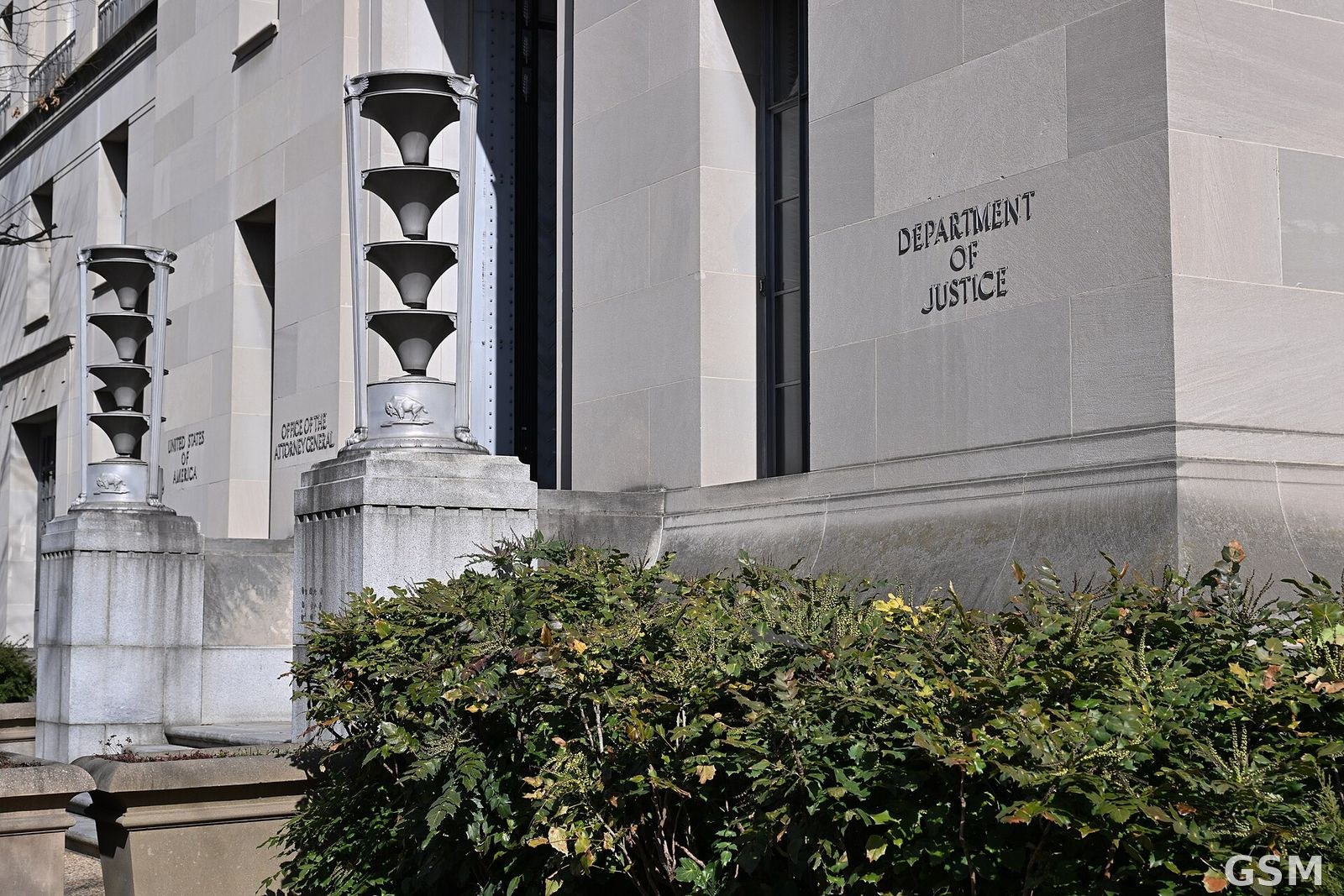
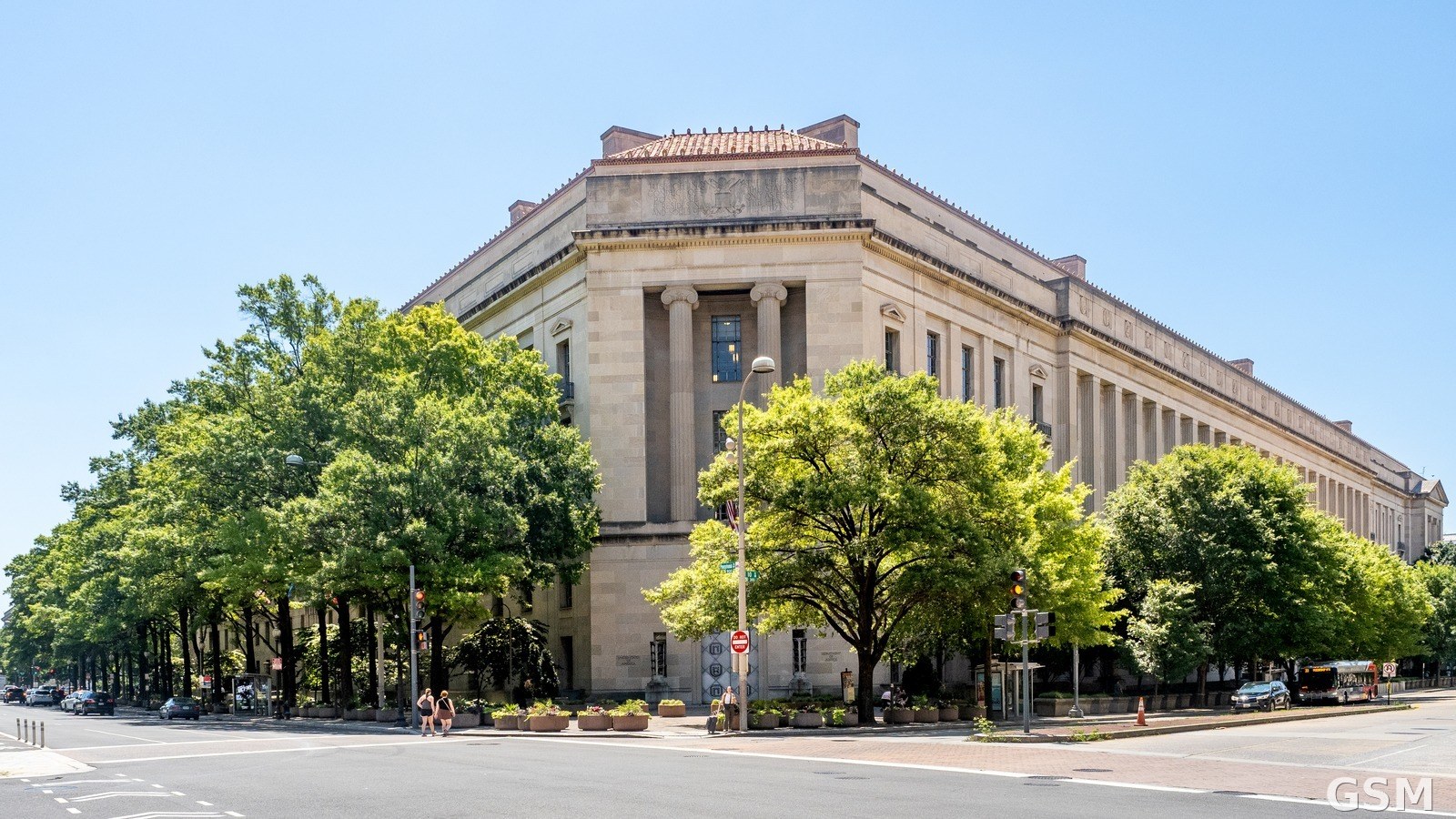
Justice Department Asks Supreme Court to Limit Judges' Power to Vacate Federal Rules Nationwide
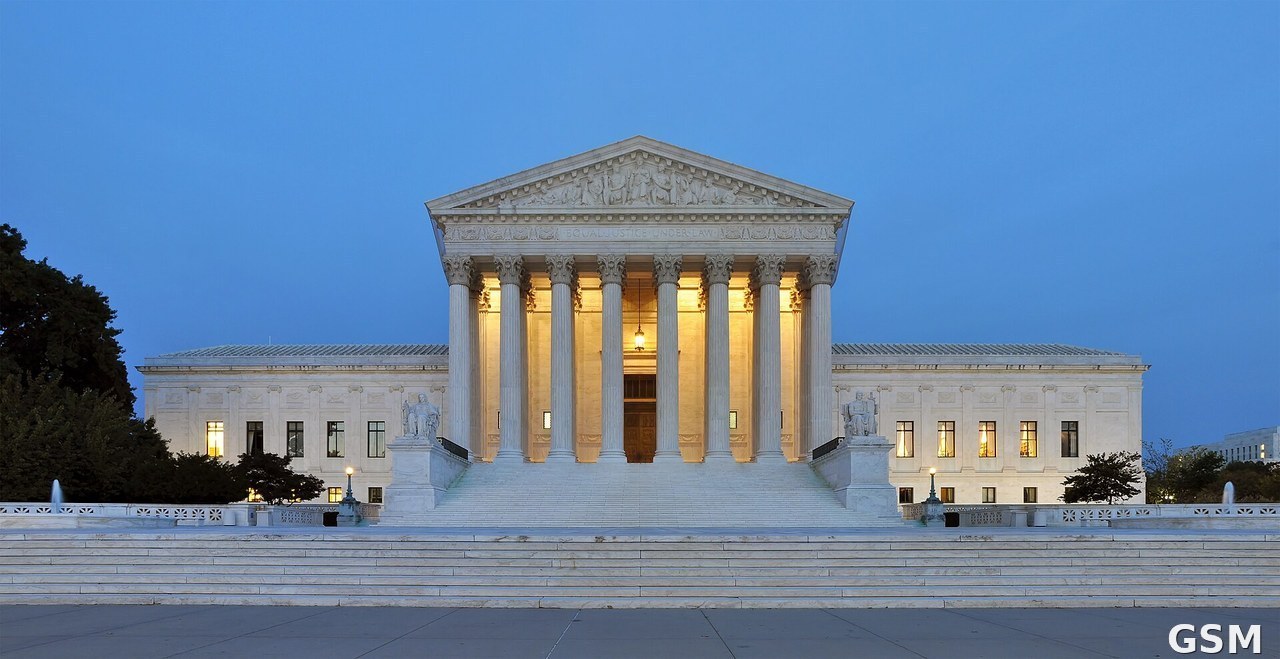
The U.S. Department of Justice has asked the Supreme Court to hear Department of Health and Human Services v. Texas Medical Association, No. 26-491, a case that asks whether a federal judge who finds an agency rule unlawful may vacate that rule for everyone nationwide, rather than shielding only the parties who sued.
In its petition for certiorari, filed on October 14, the Justice Department framed the question directly: whether Section 706(2) of the Administrative Procedure Act authorizes courts to enter universal vacatur of agency rules they have held unlawful and, if so, in what circumstances. The department argued in the petition that the Supreme Court should return the lower courts to their proper role under the APA.
The case grows out of rules implementing the No Surprises Act, the law signed during President Donald Trump's first term to curb unexpected out-of-network medical bills. The Texas Medical Association, Tyler Regional Hospital, LifeNet, Air Methods and other providers challenged parts of the rules, arguing they unlawfully reduced reimbursements in payment disputes. On August 11, 2026, the en banc U.S. Court of Appeals for the Fifth Circuit upheld the nationwide invalidation of portions of the rules, in a decision reported at 188 F.4th 359.
According to Reuters, the administration's appeal does not challenge the Fifth Circuit's holding that the provisions were unlawful. It contests only the scope of the remedy: the Justice Department argues that relief should generally run only to the parties who actually sued, rather than wiping a rule off the books for everyone.
The dispute follows a 2025 precedent. In Trump v. CASA, decided on June 27, 2025, the Supreme Court restricted federal judges' power to issue nationwide injunctions, but left untouched the separate tool of vacatur under the APA. The new petition seeks to extend that constraint to vacatur.
On procedure, the respondents' response was originally due November 13; the Clerk granted an extension on October 29, moving the deadline to December 14. On November 13, the New Civil Liberties Alliance filed an amicus brief supporting neither party, urging the justices to deny review, arguing in part that no circuit split exists for the Court to resolve.
As of November 15, the Supreme Court has not decided whether to take the case. According to Reuters, the justices are expected to consider the petition early next year, and the outcome could shape how far a single court's ruling can reach in challenges to federal policies on immigration, healthcare, the environment and other fields.
(Source: Supreme Court of the United States)
Source: Supreme Court of the United States
Published by GSM · USA (original Chinese edition)
Photo: 图:位于华盛顿的美国最高法院大楼(GSM 联邦核心图库固定图)。 / Photo: The Supreme Court building in Washington (GSM federal core asset library).