Follow-up: ULA Vulcan Suffers Anomaly About 10 Minutes Into Flight, 40 Amazon Leo Satellites Fail to Reach Orbit
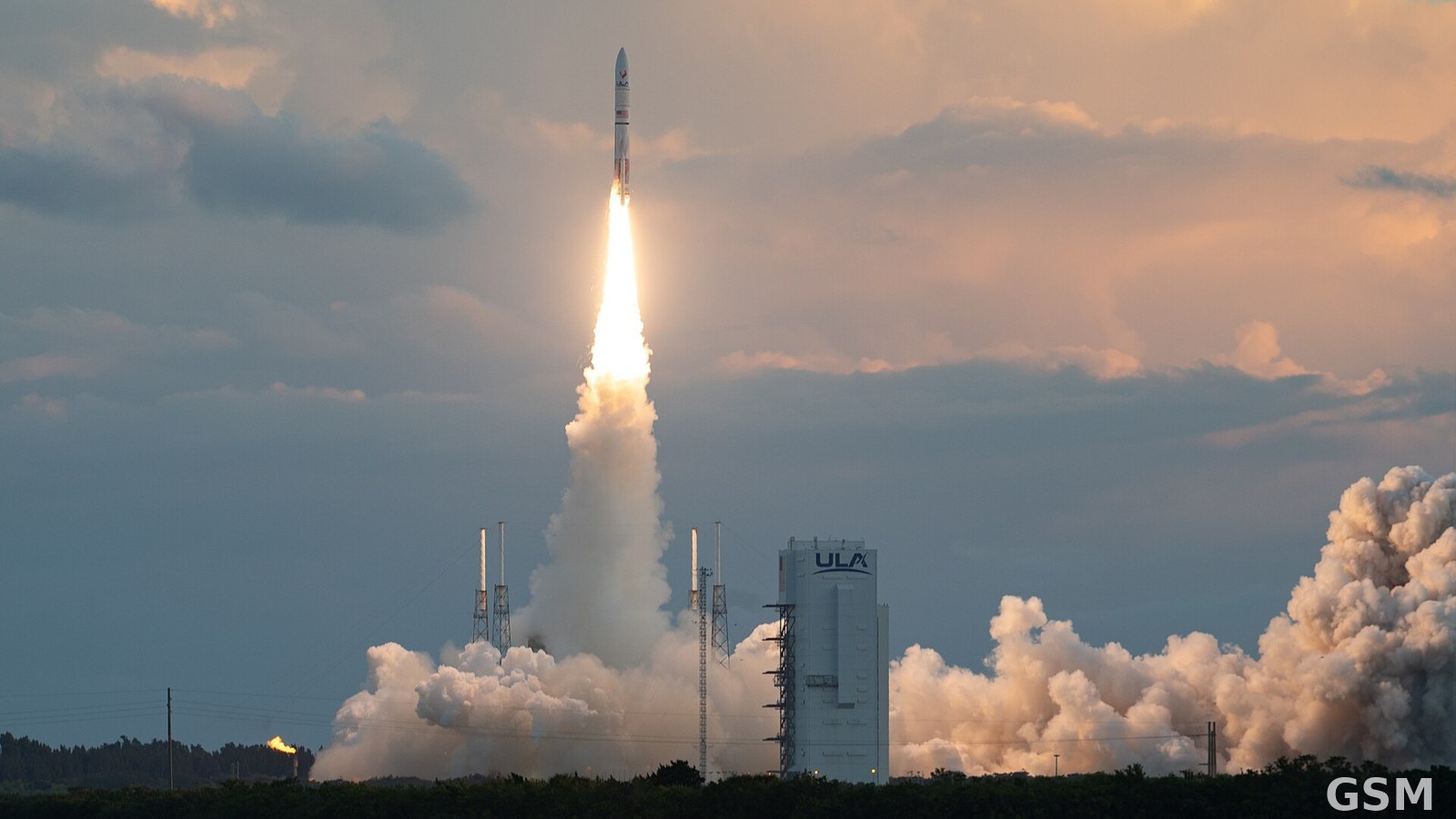
United Launch Alliance (ULA) confirmed on November 15 that its Vulcan rocket, which lifted off at midday from Cape Canaveral Space Force Station in Florida, suffered an anomaly about 10 minutes into flight and failed to place its payload of 40 Amazon Leo broadband satellites into orbit. The mission, designated LV-01, was Vulcan's return-to-flight mission after a nine-month grounding, and ULA issued a mission update shortly after the anomaly occurred.
In the update, ULA said the anomaly had just occurred and it did not yet have specific data to explain what happened, adding that every flight generates data and teaches something. ULA said it exists to provide assured access to space for the nation and for the customers who depend on it, that it takes on some of the hardest missions in spaceflight, and that it holds itself to a standard of mission success. 'Today, we did not meet that standard,' the company said.
ULA said it will work closely with its customer and other appropriate organizations to find the cause, determine the appropriate corrective action, and return to flight as quickly as possible. The company committed to full transparency with its customers, who will have visibility into an investigation process that uses rigorous methodology and corrective action, and said it will provide further updates when new information becomes available. As of publication, ULA had not said which stage or system the anomaly involved.
NASA Administrator Jared Isaacman then said publicly that he appreciated ULA quickly keeping the public and its partners informed, and that the NASA team is available to assist in all matters related to the investigation and remediation effort. He said Artemis, the Moon Base, and the nation need ULA, and that NASA is in ULA's corner and here to help.
The Vulcan lifted off at 12:40 p.m. Eastern in its VC6L configuration with six solid rocket boosters, all six of which were jettisoned at an altitude of about 22 miles one minute and 45 seconds into flight. The satellites had been scheduled to begin deploying from the Centaur V upper stage about 70 minutes after liftoff, over a sequence lasting about 25 minutes. Vulcan had been grounded for nine months after a solid rocket booster nozzle anomaly shortly after liftoff on February 12, and this week's launch attempts were scrubbed on November 13 and 14 before lifting off on Sunday. Amazon has booked 38 Vulcan launches with ULA, of which this was the first; neither Amazon nor ULA has yet said what the failure to reach orbit means for the Amazon Leo deployment schedule.
(Source: United Launch Alliance)
Reference: Florida Today
Source: United Launch Alliance
Published by GSM · USA (original Chinese edition)
Photo: 图:火神火箭升空实景(资料图,为该型火箭早前一次发射画面)。美国太空军照片,公共领域。 / Photo: A Vulcan rocket lifts off (file photo from an earlier launch of the same rocket type). U.S. Space Force photo, public domain.
- 2026-11-14[Video] ULA Vulcan Return to Flight Slips One Day: Nitrogen Plant Outage Pushes Launch of 40 Amazon Leo Satellites to Saturday Midday
- 2026-11-14Follow-up: ULA Vulcan Launch Scrubbed for a Second Straight Day Over a Ground Communication Issue, Reset for Sunday 12:11 p.m. ET
- 2026-11-15Follow-up: ULA Vulcan Lifts Off on Return-to-Flight Mission With 40 Amazon Leo Satellites, All Six Boosters Away Cleanly
- 2026-11-15Follow-up: ULA Vulcan Suffers Anomaly About 10 Minutes Into Flight, 40 Amazon Leo Satellites Fail to Reach OrbitThis story