HHS: 41 States Have Ended the 'Orphan Tax,' Remaining 9 Urged to Stop Diverting Foster Youth Survivor Benefits

The U.S. Department of Health and Human Services (HHS) announced on November 16 that its Administration for Children and Families (ACF) has sent updated letters to the governors of the nine states that continue to divert Social Security survivor benefits from foster youth, renewing its call for states to end the practice known as the "orphan tax." The letters inform governors of a new ACF technical assistance center available to support states as they choose to end the practice.
Since ACF's initial outreach in December 2025 to 39 governors, 30 states have taken decisive action to end or substantially reform the practice, HHS said: Alaska, Alabama, Arkansas, Delaware, Georgia, Hawaii, Idaho, Indiana, Iowa, Kentucky, Louisiana, Maine, Michigan, Mississippi, Montana, Nebraska, New Hampshire, New Jersey, North Dakota, North Carolina, Oklahoma, Rhode Island, South Carolina, South Dakota, Tennessee, Utah, Vermont, Washington, West Virginia, and Wyoming.
Those 30 states join the 11 states and the District of Columbia that had previously ended the orphan tax before December 2025, bringing the total to 41 states, or 82 percent. The 11 earlier states are Arizona, California, Colorado, Kansas, Massachusetts, Missouri, Nevada, New Mexico, Ohio, Oregon, and Virginia.
The nine states still diverting survivor benefits from orphans are Connecticut, Florida, Illinois, Maryland, Minnesota, New York, Pennsylvania, Texas, and Wisconsin, HHS said.
"Every child deserves the financial security their parents worked hard to provide," said HHS Secretary Robert F. Kennedy, Jr. "These benefits are often the last lifeline a parent can leave behind for their child. The Trump Administration will fight to ensure no state can seize these funds through this unconscionable practice."
"We have seen tremendous bipartisan leadership from governors and state legislatures, proving that preserving these benefits can be done," said Assistant Secretary Alex J. Adams. "These children have already lost their parents - diverting their survivor benefits just adds unnecessary hardship to unimaginable grief. We are calling on every remaining state to stop balancing budgets on the backs of orphans."
HHS said every governor has the authority to end the practice today without legislative action, and that Nebraska, Louisiana, Indiana, and Oklahoma, among others, ended the orphan tax through an executive order.
In addition to the governors' letters, ACF sent a corresponding letter to the National Association of State Budget Officers (NASBO) encouraging increased coordination between child welfare agencies and state budget officers. Through the new technical assistance center, ACF can work with state budget offices to address perceived funding gaps that may arise when survivor benefits are no longer diverted. HHS said the national estimate is that diverting orphans' survivor benefits nets just 0.22 percent of a state's child welfare budget, and that potential offsets may be available through Temporary Assistance for Needy Families (TANF) funding and Title IV-E adoption savings.
The new letters come one year after President Donald Trump and First Lady Melania Trump signed the Fostering the Future for American Children and Families Executive Order, HHS said. States can now use Fostering the Future Accounts to preserve survivor benefits for foster youth, and more than half the states have chosen to create such accounts for foster children.
(Source: U.S. Department of Health and Human Services)
Source: U.S. Department of Health and Human Services
Published by GSM · USA (original Chinese edition)
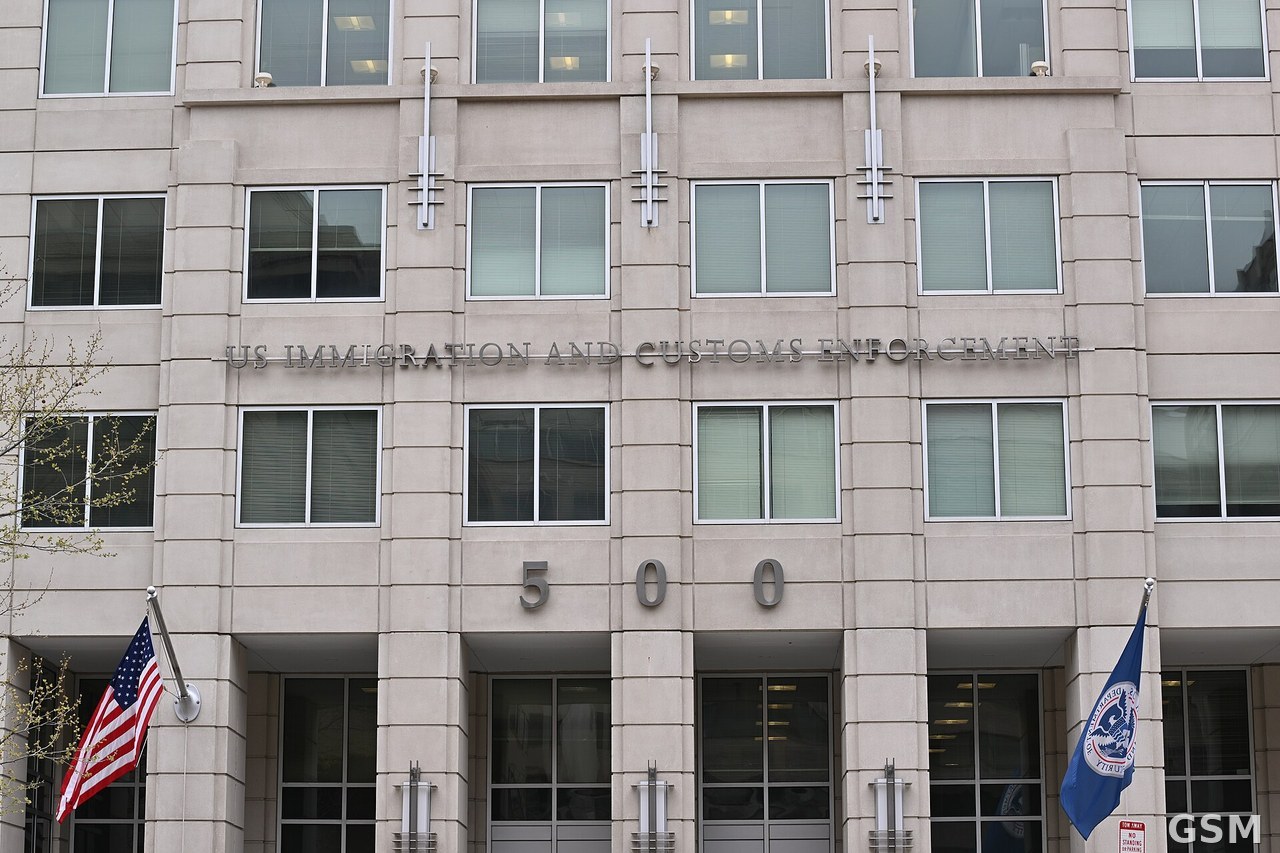
Photo: 图:位于华盛顿的美国卫生与公众服务部总部 Hubert H. Humphrey 大楼。GSM联邦固定图库。 / Photo: The Hubert H. Humphrey Building, headquarters of the U.S. Department of Health and Human Services in Washington. GSM federal asset pack.