Canada Tables $4.1 Billion Grocery Benefit for Over 12 Million People and Extends Foreign Buyer Ban to 2029
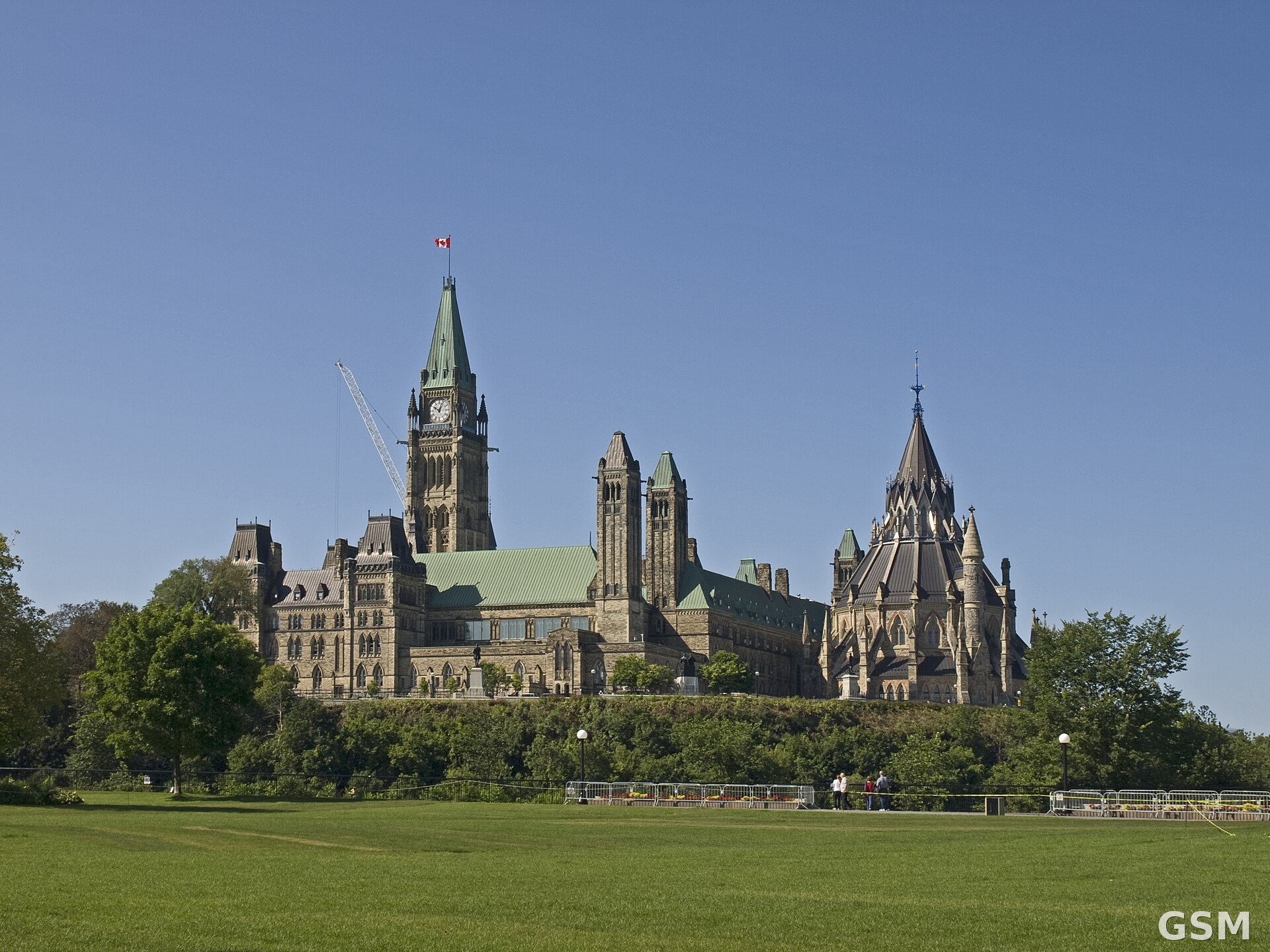
The Government of Canada tabled legislative proposals in Ottawa on Nov. 16 advancing two Budget 2026 measures: a one-time grocery and essentials benefit top-up for Canadians with low and modest incomes, and a two-year extension of the ban on foreign purchases of existing homes.
Finance Minister François-Philippe Champagne and Housing and Infrastructure Minister Gregor Robertson moved the proposals forward. The 2027 Canada Groceries and Essentials Benefit Supplement would boost benefits by 50% for over 12 million individuals and families, delivered in early 2027, at a cost of $4.1 billion. A single person without children could receive up to $339, and a couple with two children up to $679. The government says the measure is expected to lift an additional 120,000 people out of poverty in 2027.
On housing, the ban on foreign purchases of existing Canadian residential properties would be extended for two years, to Jan. 1, 2029, while the federal government launches a regulatory process to exempt new residential properties. The government says this keeps the vast majority of the existing market available for Canadians while encouraging investment in new housing construction. Budget 2026 proposes nearly $45 billion over 11 years to build homes faster, on a path to end homelessness within 10 years.
Also on Nov. 16, the Canadian Northern Economic Development Agency (CanNor) announced $31.3 million over eight years through the Pilimmaksaivik Grants and Contributions Program to strengthen Nunavut's pre-employment training ecosystem for Inuit, with priority for Nunavut-based and Inuit-led organizations. Expressions of interest opened the same day and close Dec. 7. Minister of Northern and Arctic Affairs Rebecca Chartrand announced the funding in Iqaluit.
(Source: Government of Canada)
Source: Government of Canada
Published by GSM · USA (original Chinese edition)
Photo: 图:加拿大议会山,位于渥太华。经 Wikimedia Commons。 / Photo: Parliament Hill in Ottawa, Canada, via Wikimedia Commons.