
Nature Communications Paper on November 16: Screening 12,000 Compounds in Zebrafish Yields New Anesthetic Nidradine, With Analgesia at Non-Sedating Doses
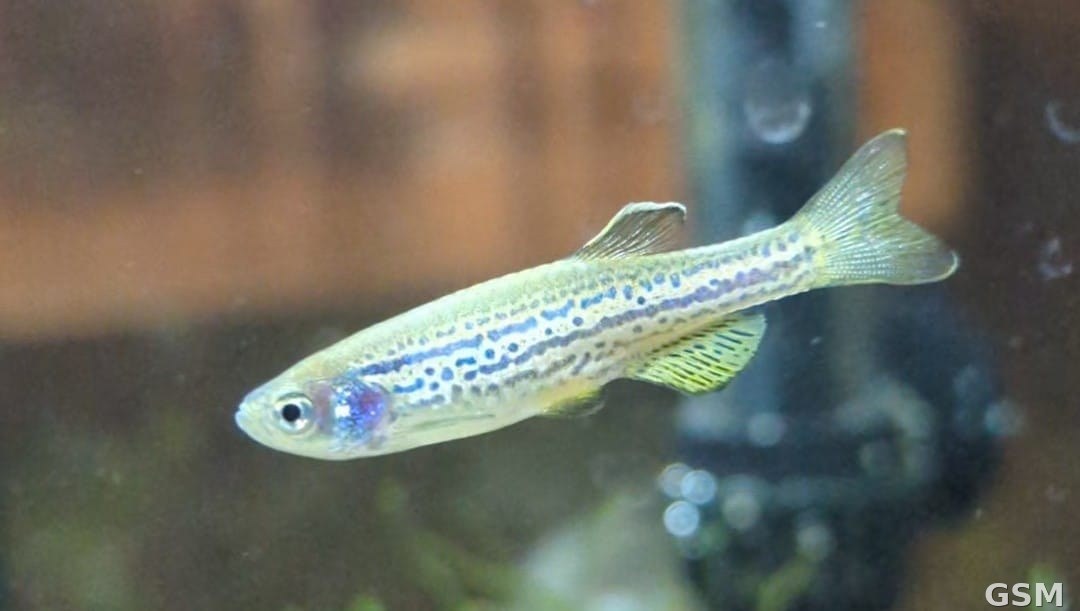
A study was published on November 16 in Nature Communications. Using a bespoke 96-well-plate platform for high-throughput imaging of larval zebrafish behavior, a team from the University of California, San Francisco, the Chan Zuckerberg Biohub and collaborating institutions screened 12,000 compounds in search of new general anesthetics.
The screen identified an isoxazole chemotype whose behavioral phenotype copies that of the intravenous anesthetics etomidate and propofol. Medicinal chemistry optimization yielded a novel anesthetic the team named nidradine, which was efficacious in both zebrafish and mice.
Mechanistic studies using electrophysiology and structural biology showed that nidradine, like etomidate and propofol, is a positive allosteric modulator of the GABAA receptor. The paper reports that nidradine lacks the adrenal suppression characteristic of etomidate.
In mouse behavioral assays, nidradine also differed from most general anesthetics by producing analgesia at non-sedating doses. The authors disclose that the University of California, San Francisco and the Chan Zuckerberg Biohub are applicants on a pending patent application related to nidradine and related compounds as anesthetic and analgesic agents, with several authors named as co-inventors.
Published by GSM · USA (original Chinese edition)
Photo: Wikimedia Commons, File:Leopard danio (cropped).jpg — Author: Roundish. Licensing: CC0.
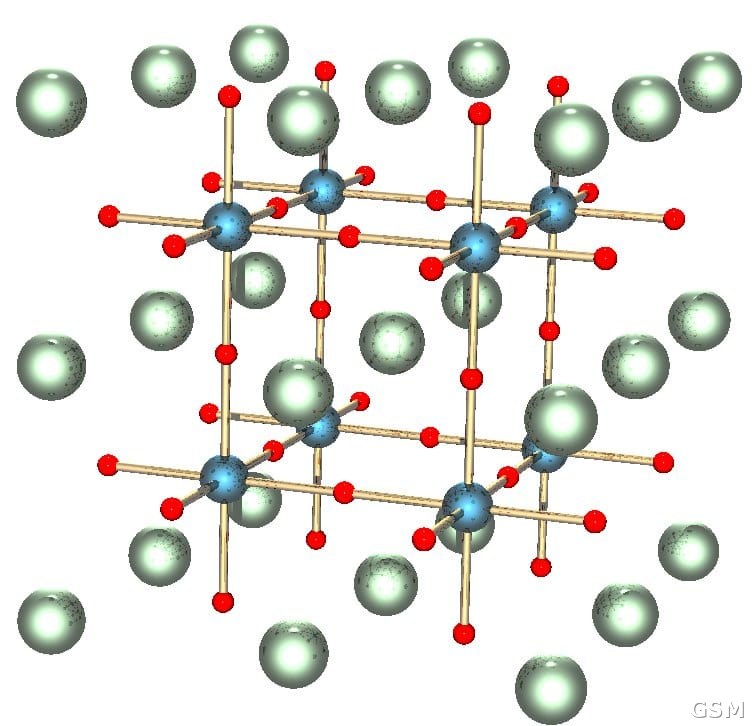 Scientific Reports Paper on November 14: Bangladeshi Team's First-Principles Calculations Show Four XEuO3 Perovskites Are Half-Metallic, With Young's Moduli of 80.12 to 130.58 GPa2026-11-16
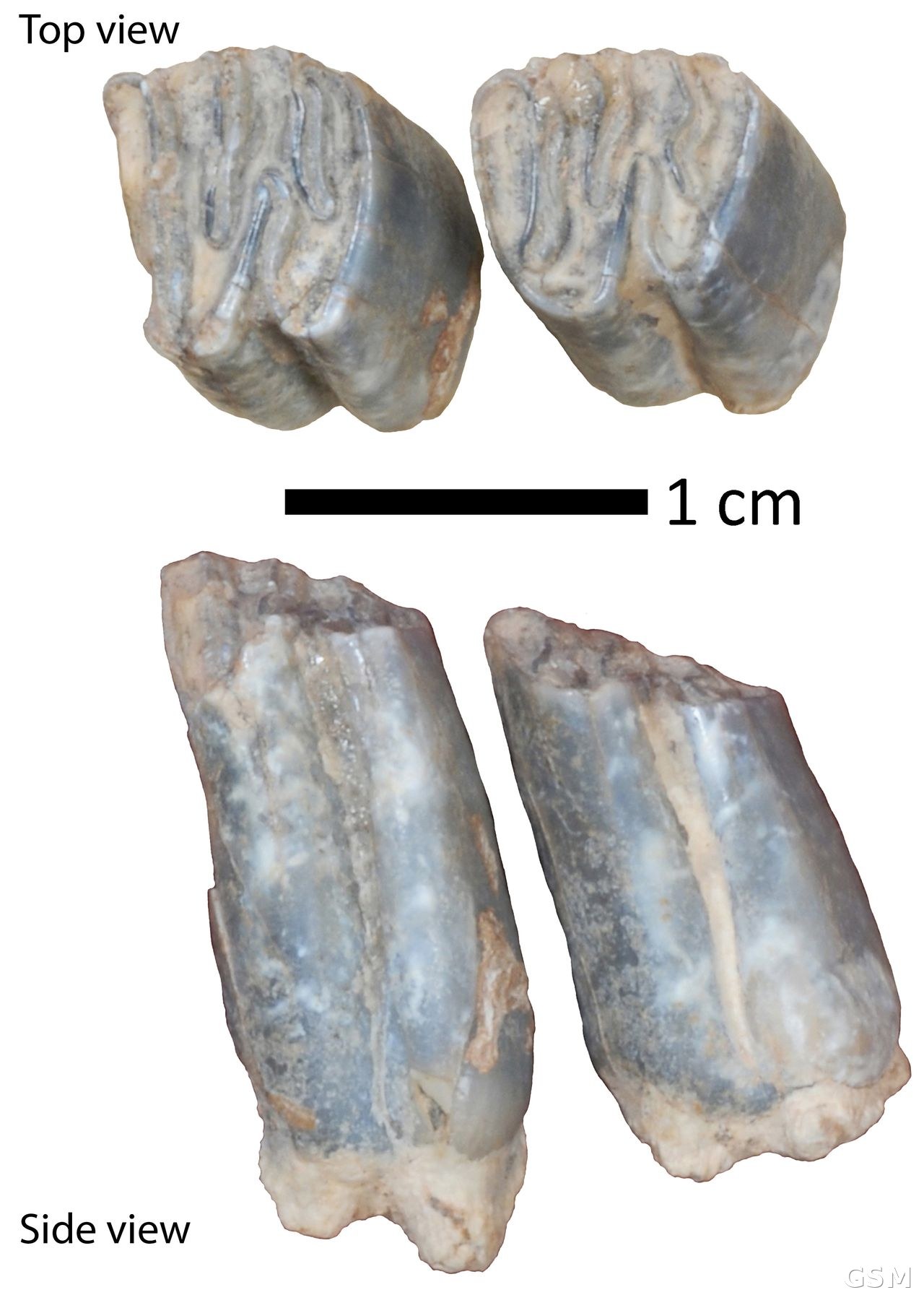 Scientific Reports Paper on November 15: Giant Rodent Species Yakamys From About 34 Million Years Ago Found in Southern Thailand, Teeth Fossils Point to About 30 Kilograms2026-11-16