
University of Cambridge Team on November 13: Microfluidic Platform nanoFLIM Bridges In Vitro, In Cellulo and In Vivo Screening to Find Amyloid β Aggregation Inhibitors
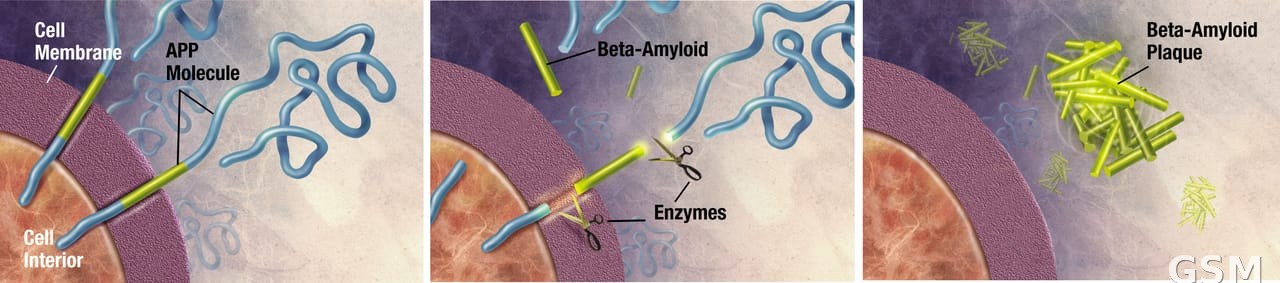
A University of Cambridge team published a paper on November 13 in Nature Communications reporting nanoFLIM, a microfluidic fluorescence lifetime screening platform designed to discover compounds that inhibit amyloid β aggregation. Inhibiting the aggregation of amyloid β (1-42) is considered a promising strategy for developing disease-modifying Alzheimer's disease therapeutics.
The paper notes that more than 200 advanced drug development campaigns have so far failed to identify sufficiently efficacious inhibitors, a failure it attributes in part to limitations in current in vitro compound screening and in vivo validation assays. nanoFLIM combines fluorescence lifetime imaging with microfluidics to bridge those formats.
The team used the platform to identify and validate aggregation inhibitors across in vitro, in cellulo and in vivo settings, with the in vivo validation carried out in the nematode C. elegans. The authors are based in Cambridge's departments of Chemistry, Biochemistry, and Chemical Engineering and Biotechnology, among others, and the corresponding authors include David R. Spring, Florian Hollfelder and Gabriele S. Kaminski Schierle.
The study is a methods paper. It reports the screening platform and its ability to discover inhibitors; the compounds involved remain at an early research stage, and the paper reports no human clinical trial results.
Published by GSM · USA (original Chinese edition)
Photo: Wikimedia Commons, File:Amyloid-plaque formation-big.jpg — Source: ADEAR (Alzheimer's Disease Education and Referral Center); derivative work: Garrondo. Licensing: Public domain.
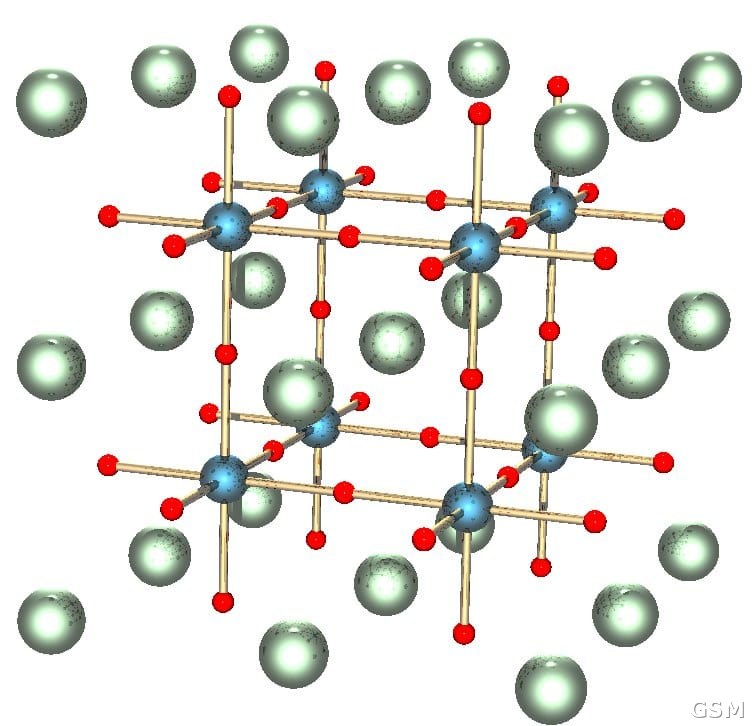 Scientific Reports Paper on November 14: Bangladeshi Team's First-Principles Calculations Show Four XEuO3 Perovskites Are Half-Metallic, With Young's Moduli of 80.12 to 130.58 GPa2026-11-16
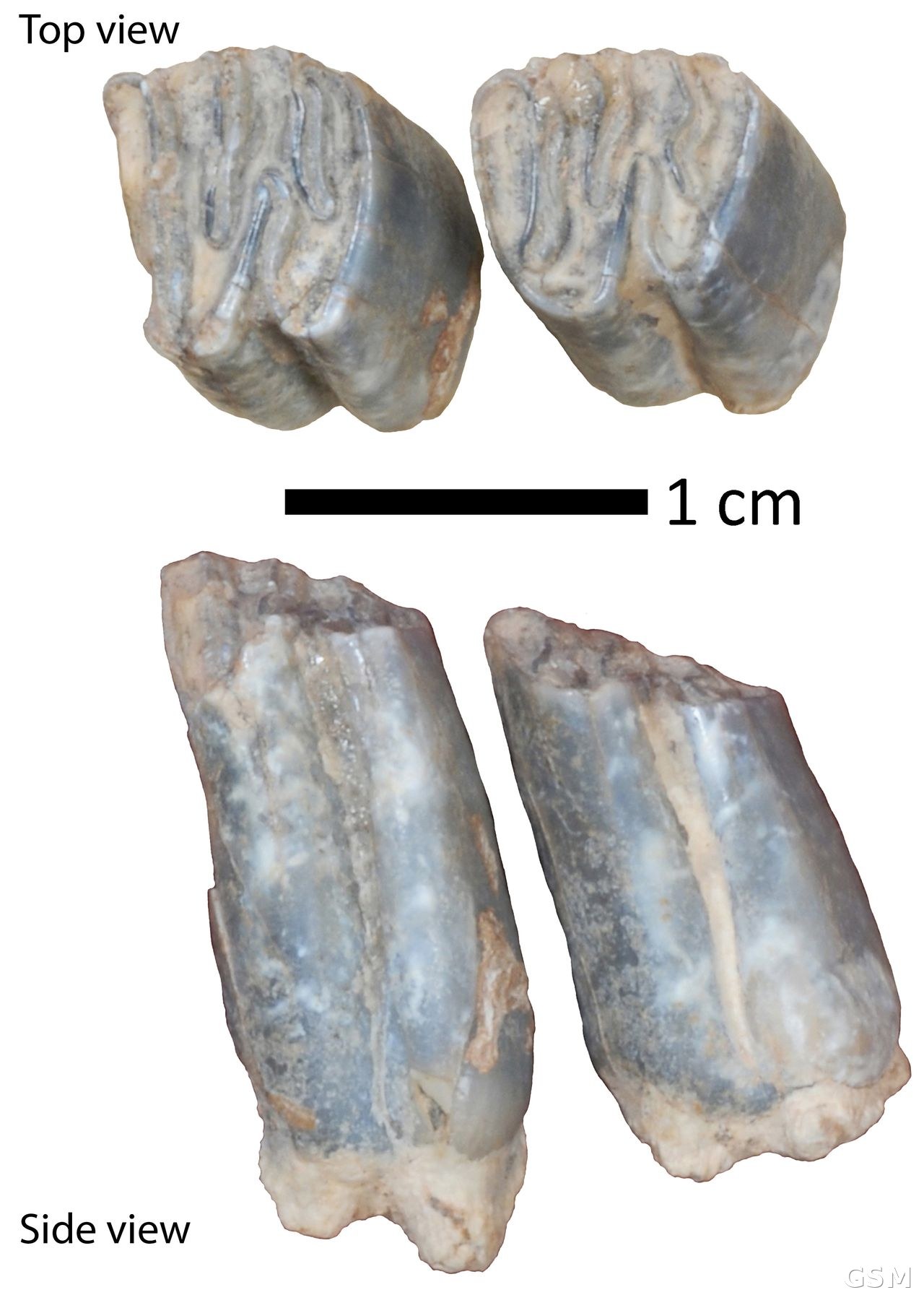 Scientific Reports Paper on November 15: Giant Rodent Species Yakamys From About 34 Million Years Ago Found in Southern Thailand, Teeth Fossils Point to About 30 Kilograms2026-11-16