
University of Cambridge Team in Physical Review Letters, Reported November 15: Quantum Vortices in a Bose-Einstein Condensate Imaged Untangling for the First Time
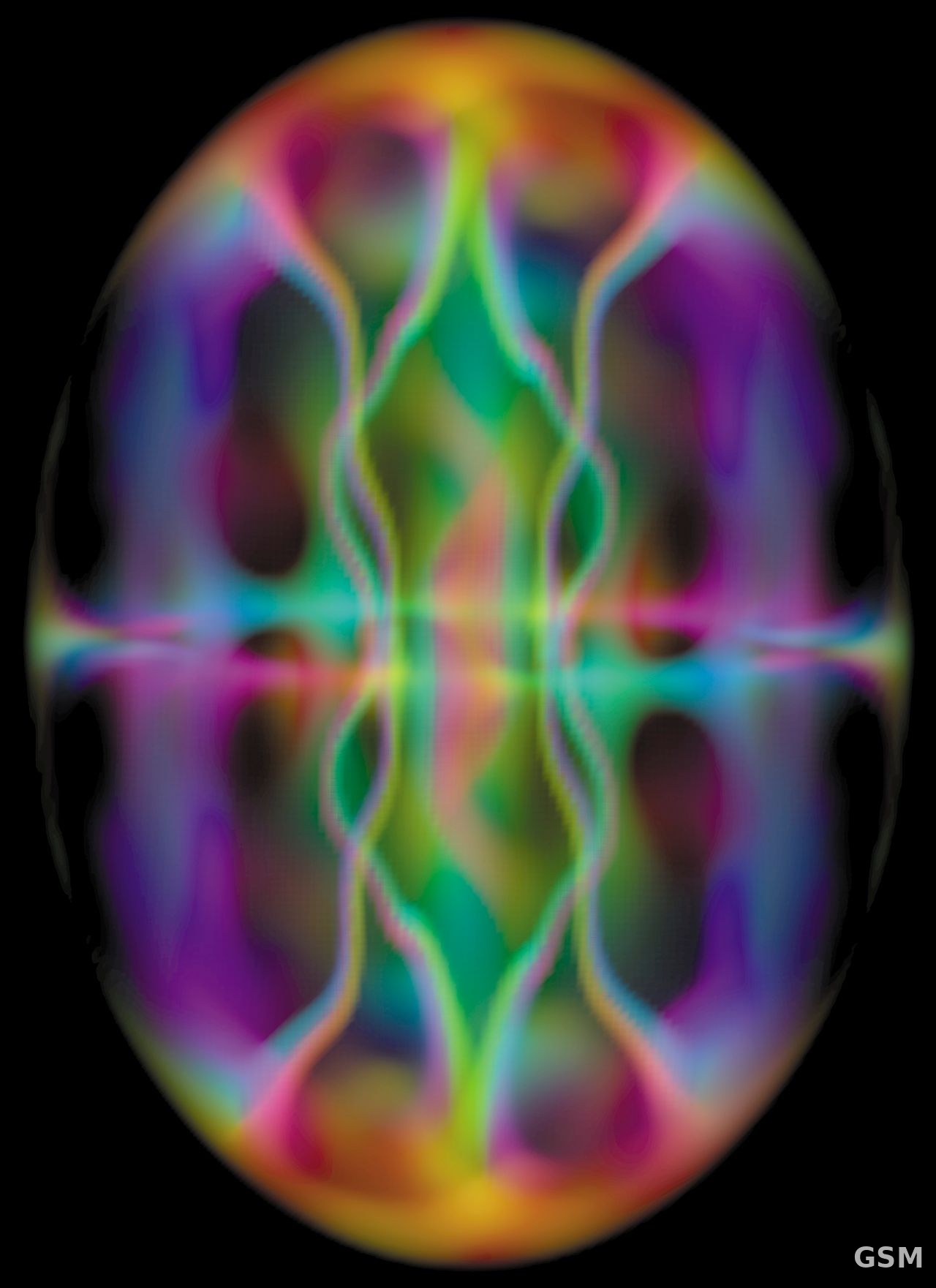
A team led by Sebastian Morris at the University of Cambridge has published experimental results in Physical Review Letters, reported on November 15. Using a novel imaging approach, the team directly observed the decay of tangled quantum vortices in a Bose-Einstein condensate (BEC), confirming the theory known as Vinen turbulence.
The experiment used a BEC of potassium atoms held in a uniform, cylinder-shaped trap of light less than a tenth of a millimeter across. The team first disturbed the gas to scramble its ordered state, then switched on interactions between the atoms and let the system relax. At different moments during the relaxation, they released the gas, magnified it around 3.5 times and photographed a thin slice of the enlarged cloud, in which vortices appeared as dark streaks.
By repeating the process many times, the team estimated the total length of vortex threads packed into each unit of the gas's volume and tested the theoretical law for how that quantity should shrink over time. The vortex density fell as Vinen turbulence predicts: denser tangles decayed faster as neighboring vortices interacted, while the decay later slowed as the remaining vortices were lost at the trap's walls.
The team also found that the decay did not depend on how strongly the atoms interacted. Once the difference in particle mass was accounted for, its rate closely matched measurements in superfluid helium, even though the two fluids are utterly different at the microscopic level. Vinen turbulence had previously been seen only indirectly in superfluid helium, and vortices in atomic gases had mostly been imaged in flat, two-dimensional systems.
Published by GSM · USA (original Chinese edition)
Photo: Wikimedia Commons, File:Bose-Einstein Condensate (5828204877).jpg — Author: National Institute of Standards and Technology. Licensing: Public domain.
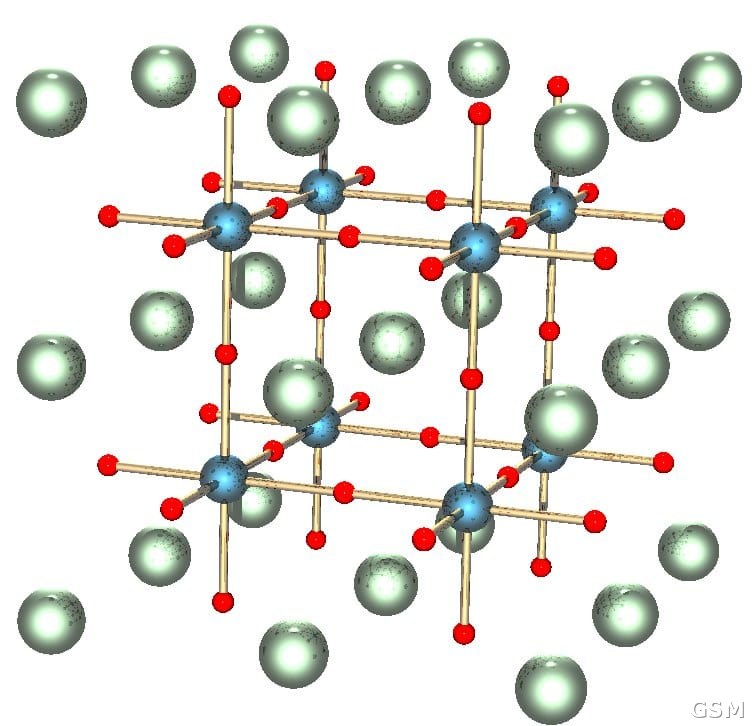 Scientific Reports Paper on November 14: Bangladeshi Team's First-Principles Calculations Show Four XEuO3 Perovskites Are Half-Metallic, With Young's Moduli of 80.12 to 130.58 GPa2026-11-16
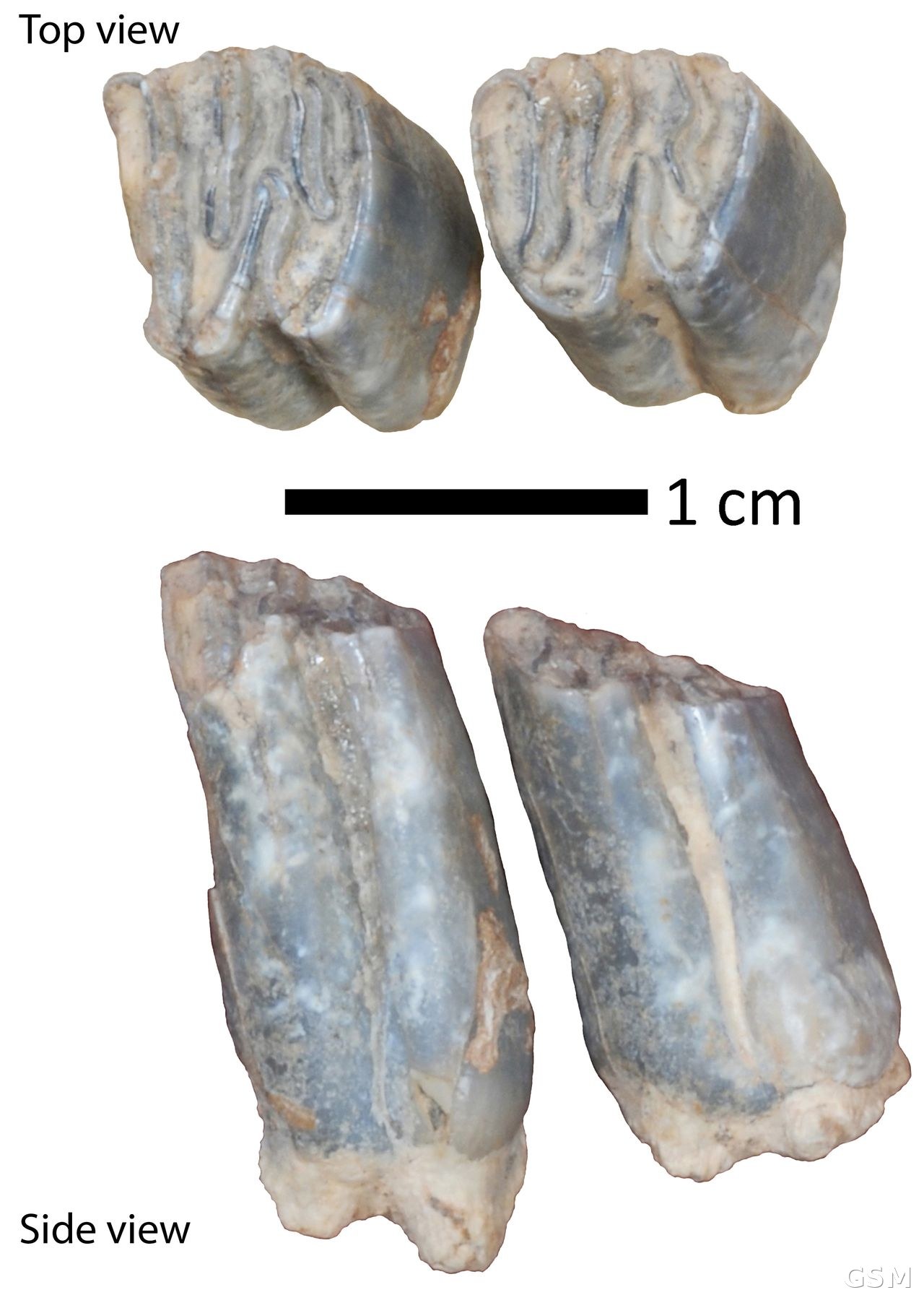 Scientific Reports Paper on November 15: Giant Rodent Species Yakamys From About 34 Million Years Ago Found in Southern Thailand, Teeth Fossils Point to About 30 Kilograms2026-11-16