Study of Red Glyphs in Mexican Cave at Chalcatzingo Published: Teotihuacan Signs From the 4th to 6th Centuries AD in a 7.4-Square-Metre Rock Shelter
A study published in the journal Antiquity examines ancient red paintings inside a cliffside cave at the archaeological site of Chalcatzingo in central Mexico. The research was carried out by Christophe Helmke, Jesper Nielsen, Carolina Meza Rodríguez and Mario Córdova Tello, from the University of Copenhagen and Mexico's National Institute of Anthropology and History (INAH).
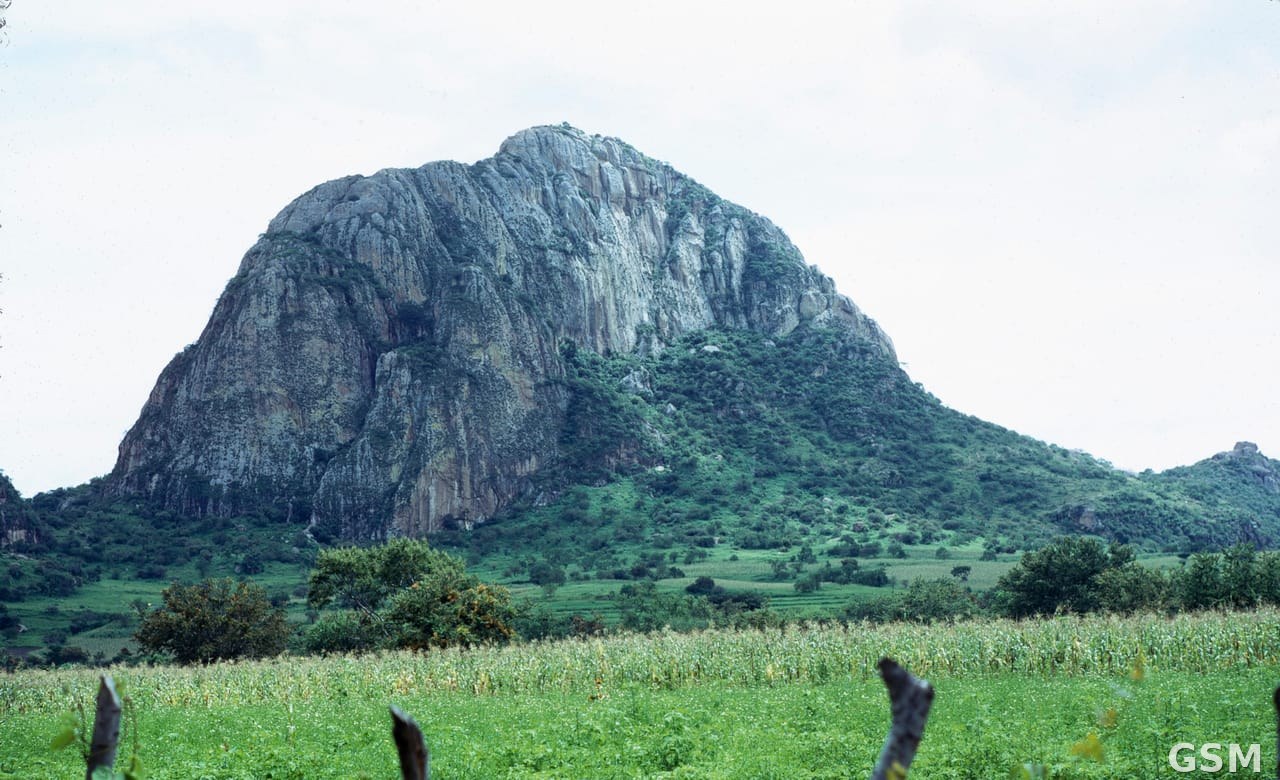
Using advanced digital photographic enhancements to bring out the faded hematite pigment, the researchers determined that the symbols belong to the ancient Teotihuacan writing system and date to between the fourth and sixth centuries AD. They identified three distinct glyphic compounds painted along the back wall of the tiny, 7.4-square-metre shelter, known as Cave 19, on the western face of Cerro Delgado.
Chalcatzingo is located roughly 90 kilometres southeast of Mexico City and is known for its earlier Olmec-style monumental art. The study found that the mountain remained a potent sacred site nearly a millennium later, and that pilgrims from the metropolis of Teotihuacan used the cavern for fiery rituals honouring fallen warriors.
The findings add evidence to a growing consensus that Teotihuacanos used a functioning logo-phonetic script.
Published by GSM · USA (original Chinese edition)
Photo: HJPD, CC BY 3.0, via Wikimedia Commons