
CDC-Funded Preprint, November 13: Nirsevimab Was 78.1 Percent Effective Against RSV Hospitalization in High-Risk Children Aged 8 to 23 Months, in 231 Children at 26 Hospitals in 24 States
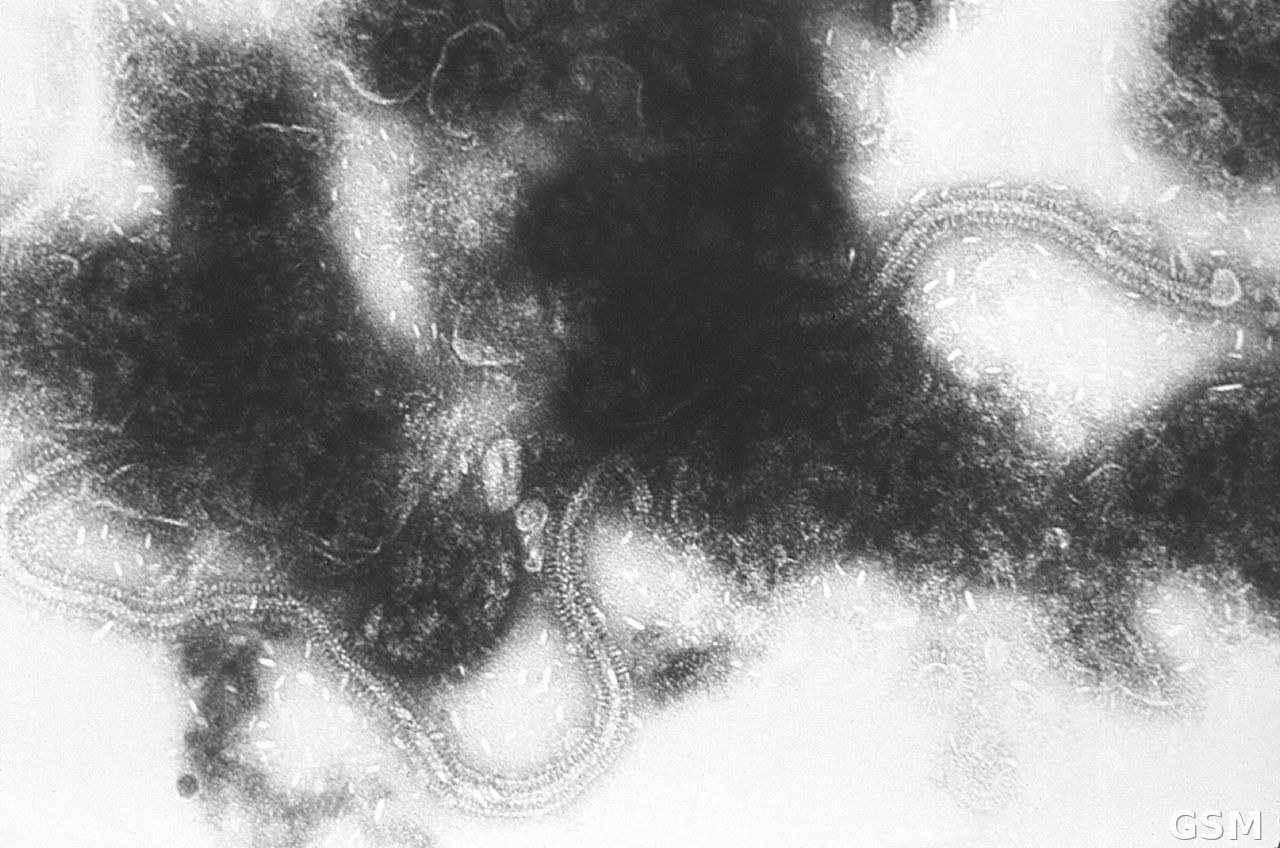
A real-world study funded by the U.S. Centers for Disease Control and Prevention (CDC) and conducted by the Overcoming RSV Network was posted as a preprint on medRxiv on November 13, led by Regina M. Simeone of the CDC and Margaret M. Newhams of Boston Children's Hospital, among others. It evaluated the effectiveness of nirsevimab, a long-acting monoclonal antibody, against RSV-associated hospitalization in high-risk young children eligible to receive it during their second respiratory syncytial virus (RSV) season.
The retrospective, test-negative case-control study covered the 2024-2025 and 2025-2026 RSV seasons at 26 hospitals in 24 U.S. states. It enrolled children aged 8 to 23 months who were hospitalized with respiratory symptoms and were eligible for second-season nirsevimab: 106 case-patients who tested positive for RSV and 125 control-patients who tested negative. Chronic lung disease of prematurity was the eligibility basis for 84.0 percent of case-patients and 69.6 percent of controls, and 19.8 percent of case-patients versus 42.4 percent of controls had received nirsevimab.
After adjustment for age, month and year of hospitalization, census region and sex, overall effectiveness against RSV-associated hospitalization was 78.1 percent (95% CI, 55.2 to 89.3). The median interval from nirsevimab receipt to symptom onset was 66.5 days (interquartile range, 30 to 96 days), and effectiveness was estimated to be higher, at 88.5 percent (95% CI, 63.4 to 96.4), when nirsevimab had been received 8 to 59 days before symptom onset.
The authors say the analysis provides real-world estimates of substantial effectiveness in this high-risk population and supports existing recommendations for nirsevimab as a preventive strategy in the second RSV season. The paper is a preprint that has not yet completed peer review, the sample is modest, and figures may change on formal publication; immunization decisions should follow pediatric clinicians and current CDC recommendations, and this report presents the study data only.
Published by GSM · USA (original Chinese edition)
Photo: Wikimedia Commons, File:Respiratory syncytial virus 01.jpg — Content Providers(s): CDC/ Dr. Erskine Palmer; from the CDC Public Health Image Library (PHIL), identification number 276. Licensing: Public domain.
 STEP Young Phase 3 Trial in The New England Journal of Medicine, Announced November 16: BMI Fell 17.4% at Week 68 in 167 Children Aged 6 to Under 12, Versus a 2.2% Rise on Placebo2026-11-16
 FDA Approves MYQORZO Label Update on November 16: Phase 3 MAPLE-HCM Data Added, With the Week 24 Peak Oxygen Uptake Endpoint Met and Five of Six Secondary Endpoints Significantly Improved2026-11-16