
Scientific Reports Paper, November 16: Among 24,931 Participants in Sweden's SCAPIS Study, 7.5 Percent Had Mildly Reduced Alpha-1 Antitrypsin, With No Association With Chronic Airflow Limitation or Emphysema

A Swedish research team has published a paper in Scientific Reports on November 16, led by Hanan Tanash with Suneela Zaigham and Magnus Sköld. The analysis draws on the Swedish CArdioPulmonary bioImage Study (SCAPIS), which between 2013 and 2018 randomly invited 30,154 residents aged 50 to 65 at six university hospitals in Gothenburg, Linköping, Malmö and Lund, Stockholm, Umeå and Uppsala; alpha-1 antitrypsin (AAT) values were available for 29,271 participants in this analysis.
AAT status was classified by plasma level, with mildly reduced defined as 0.61 to 0.85 g/L in men and 0.61 to 0.93 g/L in women. After excluding 97 participants with moderately reduced and 21 with severely reduced levels and those missing key variables, the final population was 24,931 people: 23,072 with normal AAT and 1,859, or 7.5 percent, with mildly reduced levels. For context, severe hereditary deficiency leaves plasma concentrations at only 10 to 20 percent of normal, mild deficiency at roughly 65 to 85 percent, and the estimated Swedish prevalence of mild deficiency is 4.5 percent; SCAPIS did not collect Pi phenotypes, so the mild category here is defined by measured level.
After adjustment for age, sex and smoking status, mildly reduced AAT was not associated with chronic airflow limitation under either the GOLD fixed-ratio or the lower-limit-of-normal definition, nor with emphysema, chronic obstructive pulmonary disease, asthma, cardiovascular disease or hypertension, and the results were unchanged after further adjustment for occupational exposures and passive smoking. Mildly reduced levels were instead associated with lower odds of respiratory symptoms and of DLCO below the lower limit of normal. In analyses stratified by smoking, ever-smokers and never-smokers with mildly reduced levels did not differ significantly from their normal-AAT counterparts in emphysema, self-reported respiratory symptoms or airflow limitation.
The authors say the population-based findings do not support the view that mildly reduced AAT by itself raises the risk of chronic airflow limitation and emphysema, and that earlier higher estimates may reflect control selection and imprecise smoking histories. The study is cross-sectional, so it describes associations at one point in time rather than causation; this report presents the findings only and offers no advice on individual screening or care.
Published by GSM · USA (original Chinese edition)
Photo: Wikimedia Commons, File:NASA Pilot Nils Larson Does a Spirometry Test.jpg — Author: NASA/Carla Thomas. Licensing: Public domain.
 STEP Young Phase 3 Trial in The New England Journal of Medicine, Announced November 16: BMI Fell 17.4% at Week 68 in 167 Children Aged 6 to Under 12, Versus a 2.2% Rise on Placebo2026-11-16
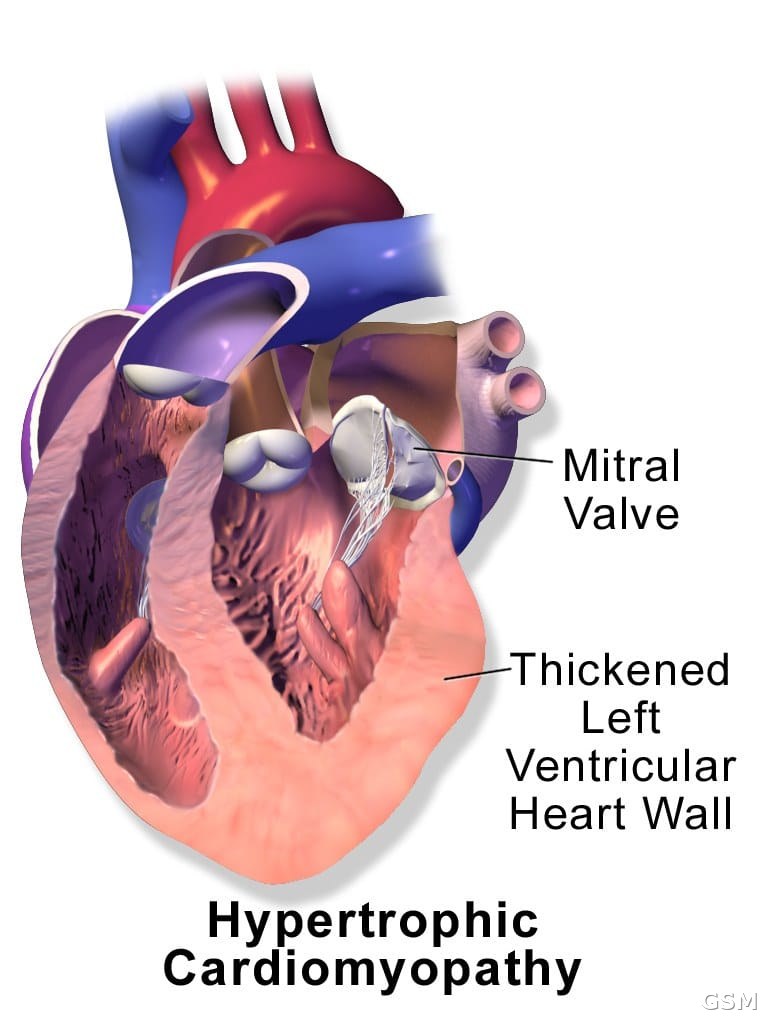 FDA Approves MYQORZO Label Update on November 16: Phase 3 MAPLE-HCM Data Added, With the Week 24 Peak Oxygen Uptake Endpoint Met and Five of Six Secondary Endpoints Significantly Improved2026-11-16