Rose-Petal-Synthesized Arsenic Trioxide Nanoparticles Show MIC of 100 Micrograms per Milliliter Against Multidrug-Resistant E. coli
A study published November 14 in Scientific Reports used pink rose petals to biosynthesize arsenic trioxide nanoparticles and tested them against multidrug-resistant Escherichia coli. The authors are Ghaderi, Pajavand, Satarzadeh, and colleagues; the rose petals served as the reducing agent in the synthesis.
The particles were spherical, with a mean dry diameter of 17.74 nanometers by scanning electron microscopy and a hydrodynamic diameter of 19.01 nanometers by dynamic light scattering. The minimum inhibitory concentration was 50 micrograms per milliliter against the standard strain and 100 micrograms per milliliter against the multidrug-resistant clinical strain.
The authors state that the particles' biosafety and broader antibacterial spectrum require further evaluation. The study received no dedicated funding.
Source: Scientific
Published by GSM · USA (original Chinese edition)
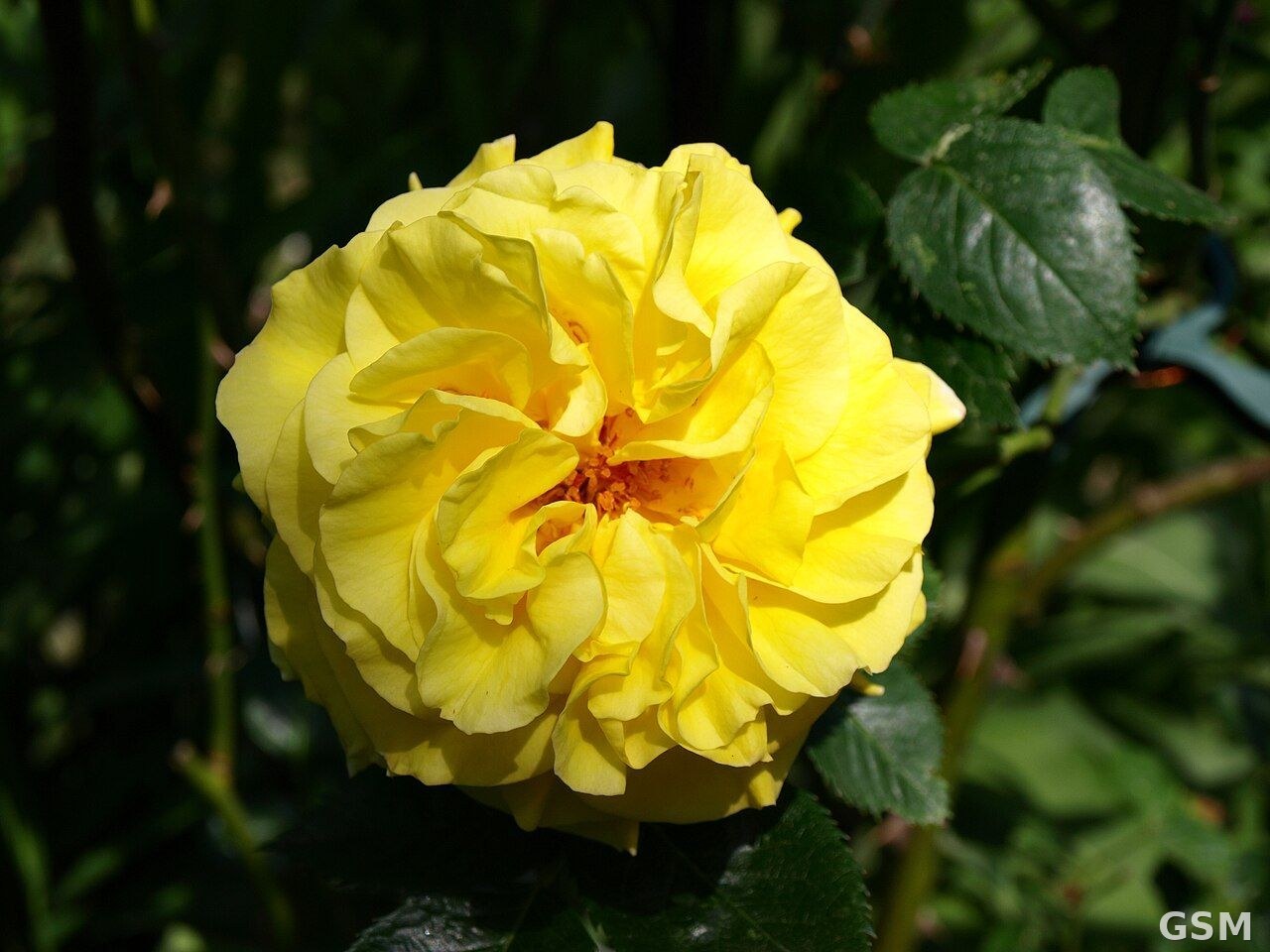
Photo: 图:一朵盛开的黄玫瑰;本研究以玫瑰花瓣为还原剂生物合成纳米颗粒。来源:Roman Köhler,Wikimedia Commons,Public domain。 / Photo: A yellow rose in bloom; the study used rose petals as the reducing agent to biosynthesize the nanoparticles. Source: Roman Köhler, Wikimedia Commons, Public domain.