3,300-Year-Old Bronze Sword Recovered from Italy's Lake Mezzano: A 13th-Century B.C.E. Blade Emerges from a Bronze Age Pile-Dwelling Site
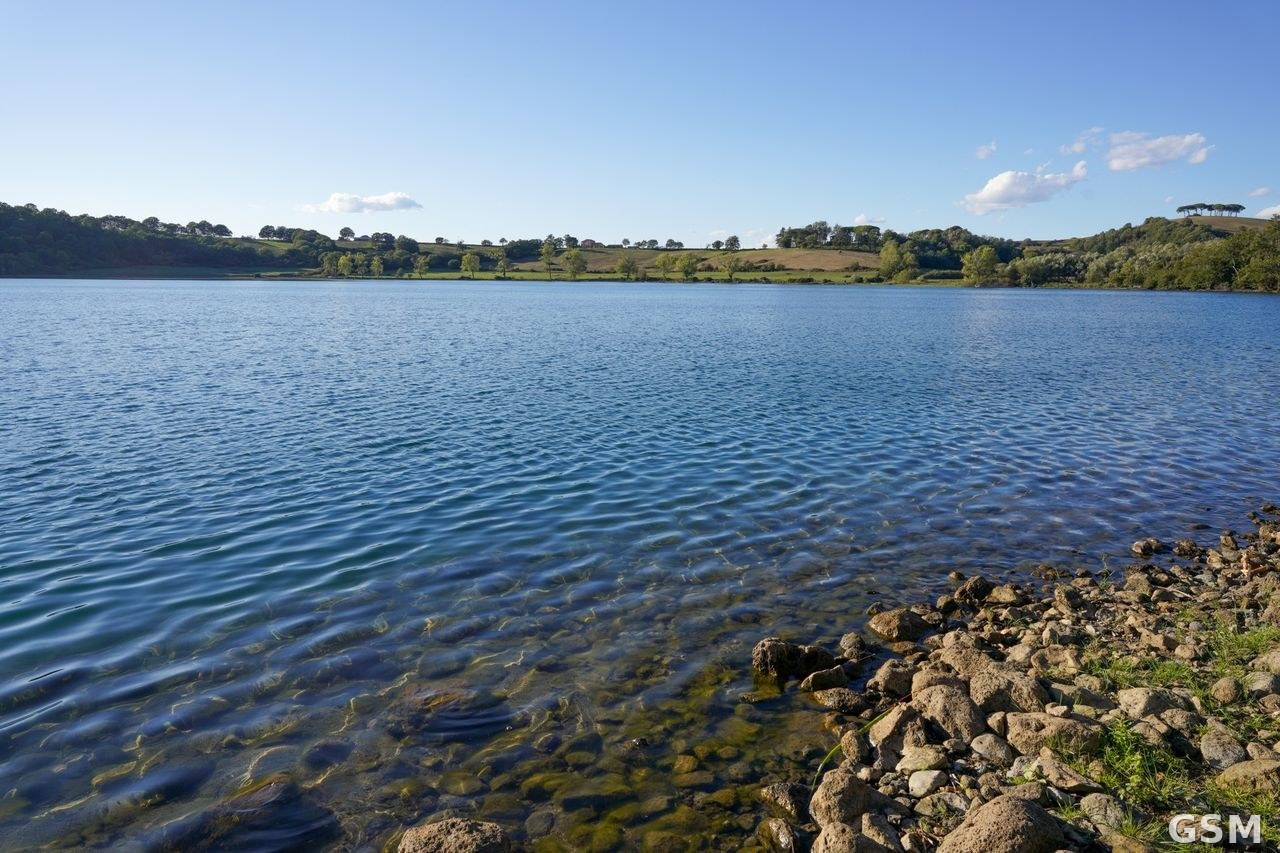
Italy's Superintendence of Archaeology, Fine Arts and Landscape for the Province of Viterbo and Southern Etruria has announced that archaeologists have recovered a roughly 3,300-year-old bronze sword from the bottom of Lake Mezzano in central Italy. The sword is thought to date to the 13th century B.C.E., the Late Bronze Age. Lake Mezzano is a small volcanic lake roughly 60 miles northwest of Rome, and this is the third sword discovered in the lake since the 1970s. Archaeologists think that between 1700 and 1150 B.C.E. the lake was home to a Bronze Age pile-dwelling village, a community lofted above the water on stilts.
The sword was found while excavating a largely unexplored area on the lake's southern shore, lying near a razor. The Superintendence says the pairing suggests the two objects may have belonged to the same person, possibly a high-status individual or an elite warrior. The same expedition recovered intact vases and numerous bronze artifacts, including axes, arrowheads, daggers, spearheads and pins. Similar discoveries across Europe suggest ancient people sometimes deliberately deposited weapons and metal objects in lakes, possibly as religious offerings; whether this sword was such a deposit remains under study.
Geologist Lamberto Ferri Ricchi first discovered the submerged village in 1971, finding the remains of three prehistoric pile-dwellings between nine and 30 feet deep. Excavations halted in the mid-1990s for nearly three decades before resuming; last year archaeologists mapped more than 600 wooden posts believed to have held up the settlement, embedded in the clay lakebed at depths from eight feet to more than 32 feet, and they suspect the posts represent roughly a third of the entire settlement. The 2025 expedition also recovered bronze ingots that may have been used in casting, suggesting residents produced metal objects within the village. The Superintendence says the newly discovered artifacts are planned for display in an upcoming exhibition, and research at the lake continues.
Source: Superintendence of Archaeology, Fine Arts and Landscape for Viterbo and Southern Etruria
Published by GSM · USA (original Chinese edition)
Photo: 图中是意大利中部的火山湖梅扎诺湖湖岸与湖面。Wikimedia Commons, CC BY-SA 4.0, WikiRomaWiki