
New Nature Study Independently Validates M87 Black Hole Ring: Diameter and Orientation Match, Mass 6.5 Billion Suns
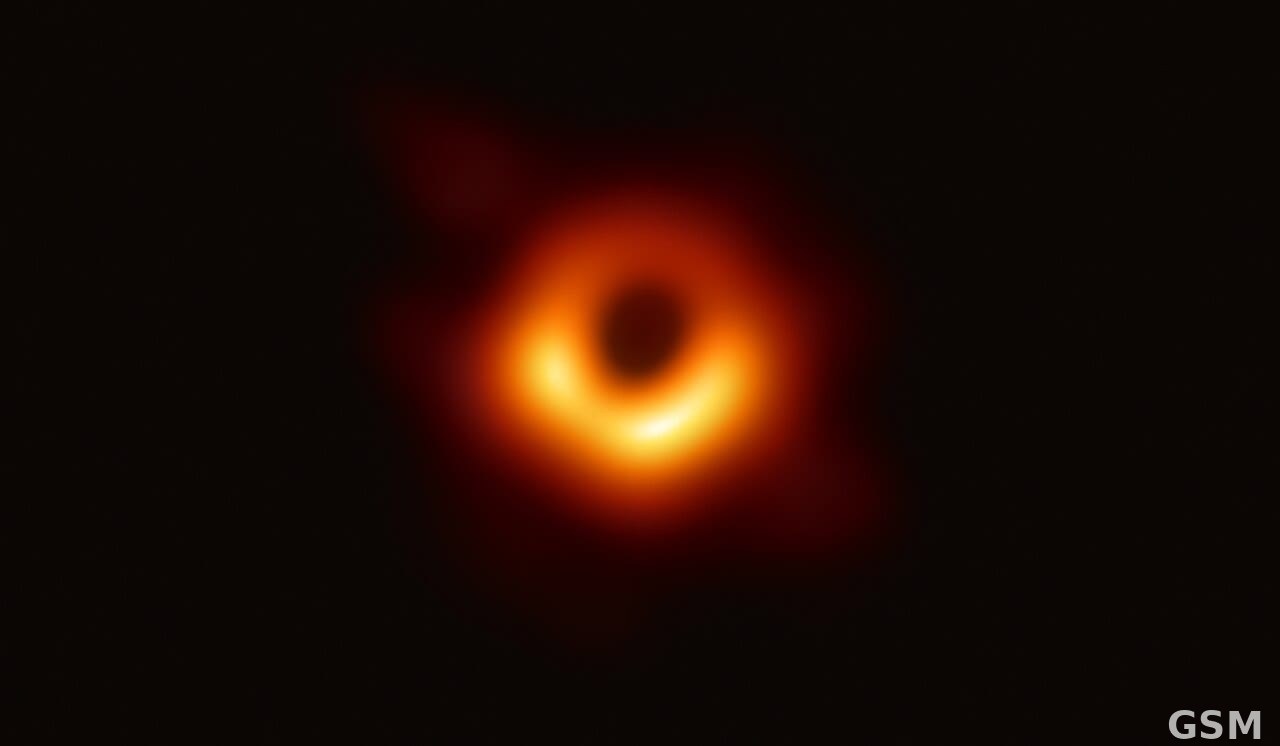
New research published in Nature used new techniques to investigate the original data sets behind the Event Horizon Telescope Collaboration's first picture of a black hole, revealed on April 10, 2019. The object is at the centre of the galaxy M87, about 55 million light-years away.
The team developed a method for combining data called closure invariants, which combine triplets of telescope measurements at once to eliminate atmospheric and instrumental errors. To make the most of those data, they designed a machine learning imaging method called GenDIReCT, trained on terrestrial images such as cats, dogs and cars, so it had no prior idea of what a black hole looked like. After freezing the training and testing procedure, they allowed the method to look at the EHT observations of M87 on December 4, 2025.
Across all data sets, the ring structure was consistent, and its appearance and diameter were consistent with a black hole with a mass of 6.5 billion suns observed nearly face-on, the team said. Compared directly with images from the EHT Collaboration, the result was consistent in diameter and overall orientation, with differences in fine details of ring width and surface brightness. A complementary imaging method based on traditional statistical techniques also validated the structure.
Source: CSIRO
Published by GSM · USA (original Chinese edition)
Photo: 图中是事件视界望远镜拍摄的 M87 星系中心超大质量黑洞图像,呈环状结构。来源:Wikimedia Commons, File:Black hole - Messier 87.jpg, Event Horizon Telescope, CC BY 4.0。

