U.S. Selloff Spills Into Asia: South Korea's KOSPI Plunges More Than 8%, Triggers Circuit Breaker as Samsung and SK Hynix Tumble
South Korea's benchmark KOSPI index plunged in early trade in Seoul on Friday, November 6, after the Korea Exchange (KRX) activated a first-level circuit breaker at 9:03 a.m., halting all stock and derivatives trading for 20 minutes. It was the first circuit-breaker halt as the selloff that gave U.S. stocks their worst day in more than a year on November 5 spilled into Asian markets, on Thursday evening U.S. Pacific time and Friday morning in Seoul.
At the moment the breaker was triggered, the KOSPI was down 459.19 points, or 8.52 percent, at 4,924.61, below the 5,000 mark for the first time since February 6; Reuters put the index at 4,923.47, down about 8.6 percent, as of 0026 GMT. The index had closed at 5,383.80 on Thursday. Korean media counted it as the KOSPI's 11th first-level circuit breaker this year; a first-level breaker is triggered when the index falls at least 8 percent from the previous close and stays there for one minute. After trading resumed, the index swung sharply around the 5,000 level and the Seoul market had not yet stabilized, with the session still under way.
Chip stocks led the decline: Samsung Electronics fell 10 percent and SK Hynix lost 13 percent, while battery maker LG Energy Solution slid 4 percent, Hyundai Motor fell 6.9 percent and Kia declined 4 percent. The exchange also triggered sell-side sidecar curbs on the KOSPI and the KOSDAQ, briefly suspending program sell orders.
The spillover came from the U.S. selloff: the Nasdaq Composite closed down 5.52 percent on November 5, confirming a correction, the Philadelphia Semiconductor Index fell 12.25 percent, and all three major U.S. indexes posted their worst day since April 2025. Reuters reported that fresh uncertainty over super intelligence (SI) and data centre policies following the Democratic Party's sweep of Congress in the midterm elections sent shockwaves across hardware and chip suppliers; the KOSPI had already closed down 5.28 percent on November 5.
Jun Kwang-woo, chairman of the Institute for Global Economics in Seoul and a former chairman of South Korea's National Pension Service, told Reuters the market may be overreacting to the midterm election outcome, saying it was time for a correction but that he hoped markets would stabilise very soon, as concerns in many states including Texas could slow the speed of building super-intelligence infrastructure, especially data centres, a bit. Friday's closing results in Seoul and moves in other Asian markets will follow in further reports.
(Source: Reuters)
Source: Reuters
Published by GSM · USA (original Chinese edition)
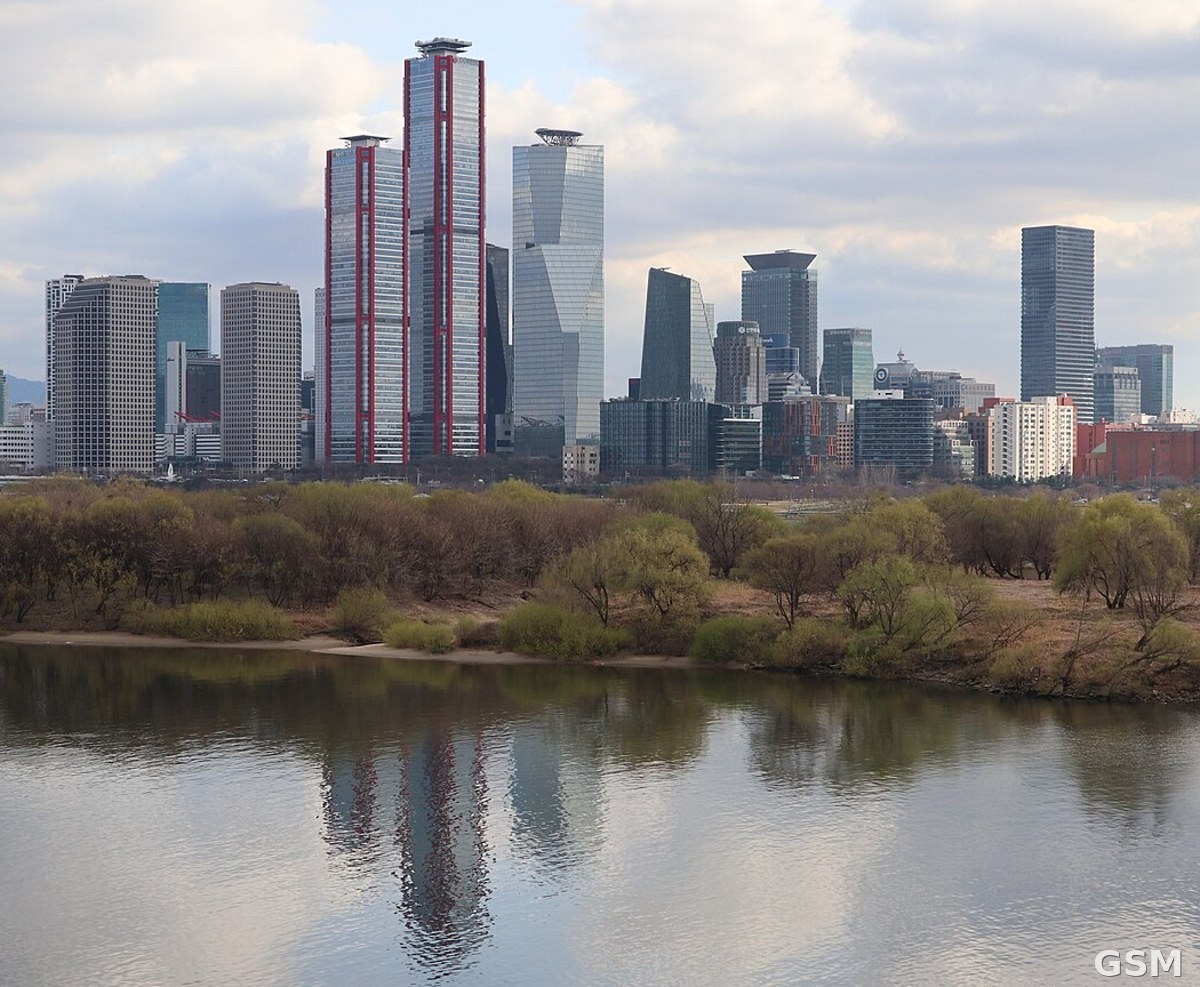
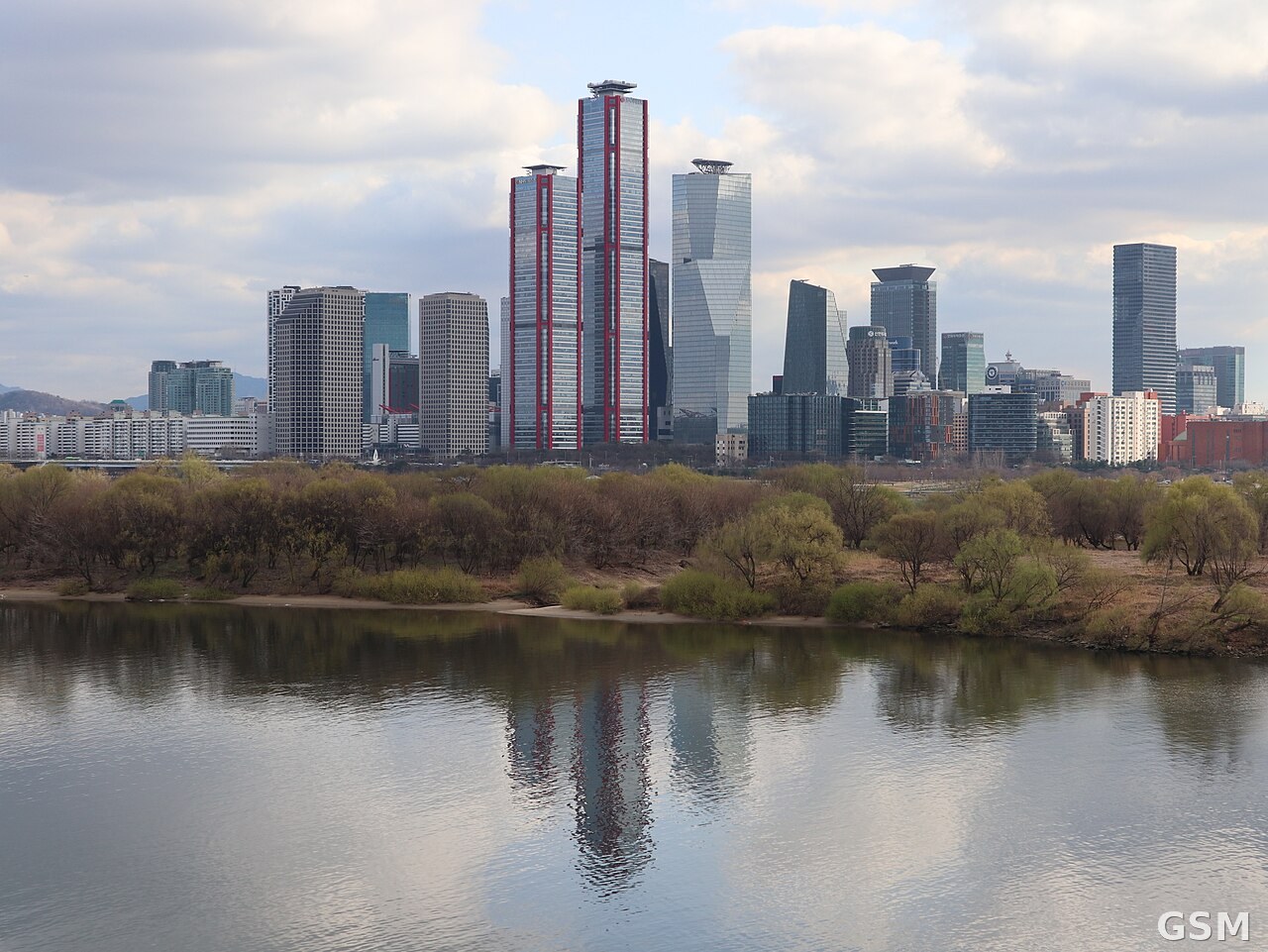
Photo: 图:首尔汝矣岛金融区(资料图),韩国交易所(KRX)首尔中心所在地。照片:S h y numis,CC BY 4.0,经 Wikimedia Commons。 / Yeouido, the finance district of Seoul and home to the Korea Exchange (KRX) Seoul center (file photo). Photo: S h y numis, CC BY 4.0, via Wikimedia Commons.
- 2026-11-05Nasdaq 100 Plunges More Than 6% as Chip and Data Center Stocks Are Dumped and the Nasdaq Heads Toward a Correction
- 2026-11-05U.S. Stocks Close Sharply Lower: Nasdaq Drops 5.5% to Confirm a Correction as All Three Indexes Post Their Worst Day Since April 2025
- 2026-11-05U.S. Selloff Spills Into Asia: South Korea's KOSPI Plunges More Than 8%, Triggers Circuit Breaker as Samsung and SK Hynix TumbleThis story
- 2026-11-05Asia Closes Deep in the Red: KOSPI Falls 6.02% and Holds 5,000, Nikkei Drops 6.0%, Seoul Waives Margin Collateral Rule for Three Months