
Follow-Up: Iran's Guards Say Two More Tankers Hit Mines in Hormuz; CENTCOM Calls Mine Reports False
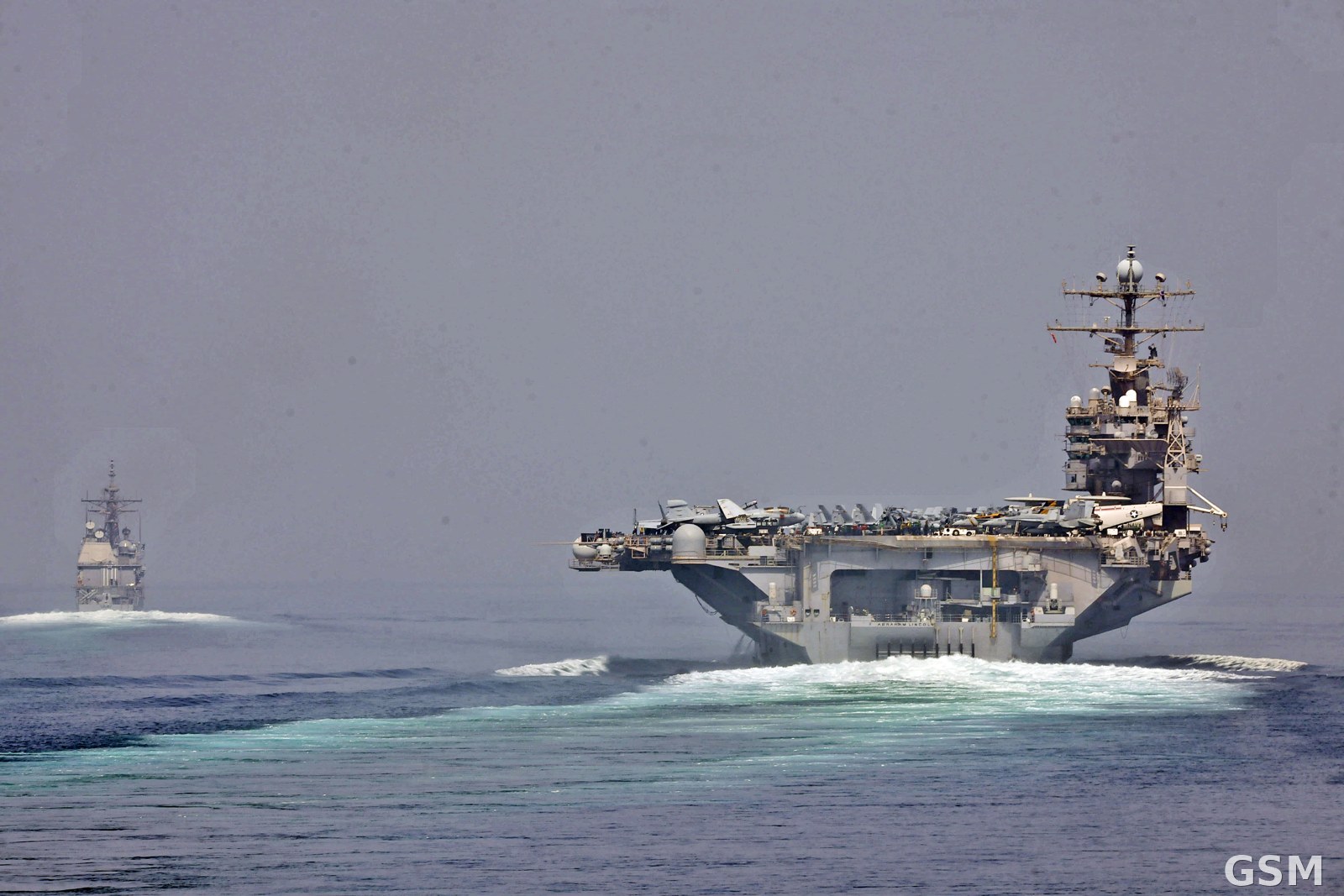
Iran's Islamic Revolutionary Guard Corps Navy said in a statement carried by Iranian state broadcasting early on Saturday, November 14, that two oil tankers that had switched off their radar and positioning systems and were secretly attempting to transit the Strait of Hormuz through an unauthorized route struck a naval mine, exploded and caught fire, and that one of the vessels was a supertanker. The statement named neither ship and gave no origins, and AFP reported that the claim had not been independently confirmed.
Together with a tanker that Iran's conventional navy said earlier the same day had caught fire after hitting a mine in a prohibited zone east of the strait, Iranian statements on November 14 claimed three tankers had struck mines in and around the Strait of Hormuz in a single day. None of the Iranian statements named the vessels, their flags or any casualties, and the United Kingdom Maritime Trade Operations centre (UKMTO) had not confirmed Saturday's incidents by the time AFP filed its report.
U.S. Central Command (CENTCOM) rejects the Iranian mine-strike accounts. In a statement on X on October 28, CENTCOM dismissed reports by what it called Iranian-controlled media as false, saying all internationally recognized primary transit routes through the Strait of Hormuz have been cleared of sea mines by U.S. forces and remain so, and that thousands of commercial vessels have safely used the transit lanes and continue to do so today. CENTCOM commander Adm. Brad Cooper said on October 25 that the primary routes were free and clear of Iranian sea mines and that more than 3,000 commercial vessels had passed through the strait with CENTCOM support over the preceding six months.
The United Nations' cumulative count continues to rise. Briefing the Security Council on November 13, U.N. Assistant Secretary-General Khaled Khiari said the International Maritime Organization (IMO) had recorded 134 confirmed incidents in the Strait of Hormuz and the wider Middle East maritime area as of November 11, that 25 seafarers had lost their lives, and that many others had been injured or remained missing. October saw the highest monthly number of incidents against commercial shipping since the conflict began in February 2026. The IMO figure GSM reported on November 11 was 130 incidents; the new briefing updates it to 134.
The Strait of Hormuz carries roughly one-fifth of global petroleum consumption. UKMTO data show traffic through the strait remains about 65 percent below pre-war levels. The U.S. Navy-overseen Joint Maritime Information Center assessed the October threat level as severe and said it had found no substantiation for multiple individual IRGC mine-strike claims. What actually happened in Saturday's reported incidents remains to be confirmed by shipowners, flag states or maritime safety agencies.
(Source: AFP)
Source: AFP
Published by GSM · USA (original Chinese edition)
Photo: 图:美国海军航空母舰与巡洋舰编队通过霍尔木兹海峡(资料图)。照片为公共领域作品,美国海军 Alex R. Forster 摄,经 Wikimedia Commons。 / Photo: A U.S. Navy aircraft carrier and cruiser transit the Strait of Hormuz (file photo). Public domain, U.S. Navy photo by Alex R. Forster, via Wikimedia Commons.