Follow-Up: Federal Judge Carter Denies Justice Department Bid to Set Aside More Than 20,000 California Mail Ballots
LOS ANGELES, Los Angeles County, California — U.S. District Judge David Carter, hearing the California ballot case in Los Angeles, ruled on the evening of October 28 to deny the U.S. Department of Justice (DOJ) request for a temporary restraining order, refusing to order California to stop processing mail ballots from more than 20,000 registered voters. The Justice Department alleges the voters on its list are likely noncitizens; the ruling means California counties will continue to process and count returned mail ballots as usual ahead of the November 3 midterm elections.
"Never before in American history has the federal government, on the eve of an election, sought to coerce a state and local government to abandon their own Constitutional elections procedures and bend to the will of the Executive Branch," Carter wrote in the 26-page ruling. He concluded: "Once a vote is segregated, lasting harm has occurred. If the Executive can discount votes and threaten an ongoing election due to unproven allegations, then our democracy is in danger. This Court declines to be a party to such process."
The Justice Department sued California and Los Angeles County on October 15, arguing the matter was urgent because once a returned mail ballot envelope passes signature verification, the ballot is separated from its envelope to protect voter confidentiality and can no longer be retrieved; it also argued that votes by noncitizens dilute the votes of U.S. citizens.
Reuters reported that the department did not indicate how many of the more than 20,000 people it flagged had actually submitted a mail ballot. Carter noted the federal government can still address individual cases by prosecuting people for illegally voting as noncitizens; DOJ officials say dozens of people have been charged in the past two months with registering or voting without U.S. citizenship.
California Attorney General Rob Bonta wrote in the state's court filing: "This litigation is a precursor to further interference here in California. The Court must not be drawn into this chilling degradation of democratic values and constitutional principles."
A Los Angeles County analysis of a small sample of people on the DOJ list found that a significant portion had said in records they were born in the United States, and county officials say many on the list do not have active voter registrations. But Nicolas Bartell, a senior official at U.S. Citizenship and Immigration Services (USCIS), contested that in court filings, writing that his office's review found none of those individuals were U.S.-born, while acknowledging that four of them "might have a claim to U.S. citizenship."
Kassra Oskooi, a University of Delaware political scientist serving as an expert witness for voting-rights groups intervening in the case, told the court in a declaration that he believes USCIS's matching protocol "is likely to be unreliable."
The ruling is the Justice Department's second setback in the case within days: on October 26, a panel of the U.S. Court of Appeals for the Ninth Circuit ruled 2-1 to reject the department's emergency appeal, saying it had not given the district court adequate time to rule. Carter held a hearing in Los Angeles on October 27 and issued his decision on the evening of October 28. NPR reported that the Justice Department is expected to appeal the denial, and the matter could ultimately reach the U.S. Supreme Court.
California had 23 million registered voters as of December 2025, according to state records cited by Reuters, and holds 52 seats in the U.S. House of Representatives, more than any other state; the November 3 midterms will decide control of both houses of Congress. The department has taken similar steps in other states in recent days, asking Washington state this week to review a list of 400 registered voters it says may not be citizens, and suing in Alaska last week to block certification of the state's Senate race if the Republican incumbent loses by a slim margin.
Source: GSM · USA (original Chinese edition)
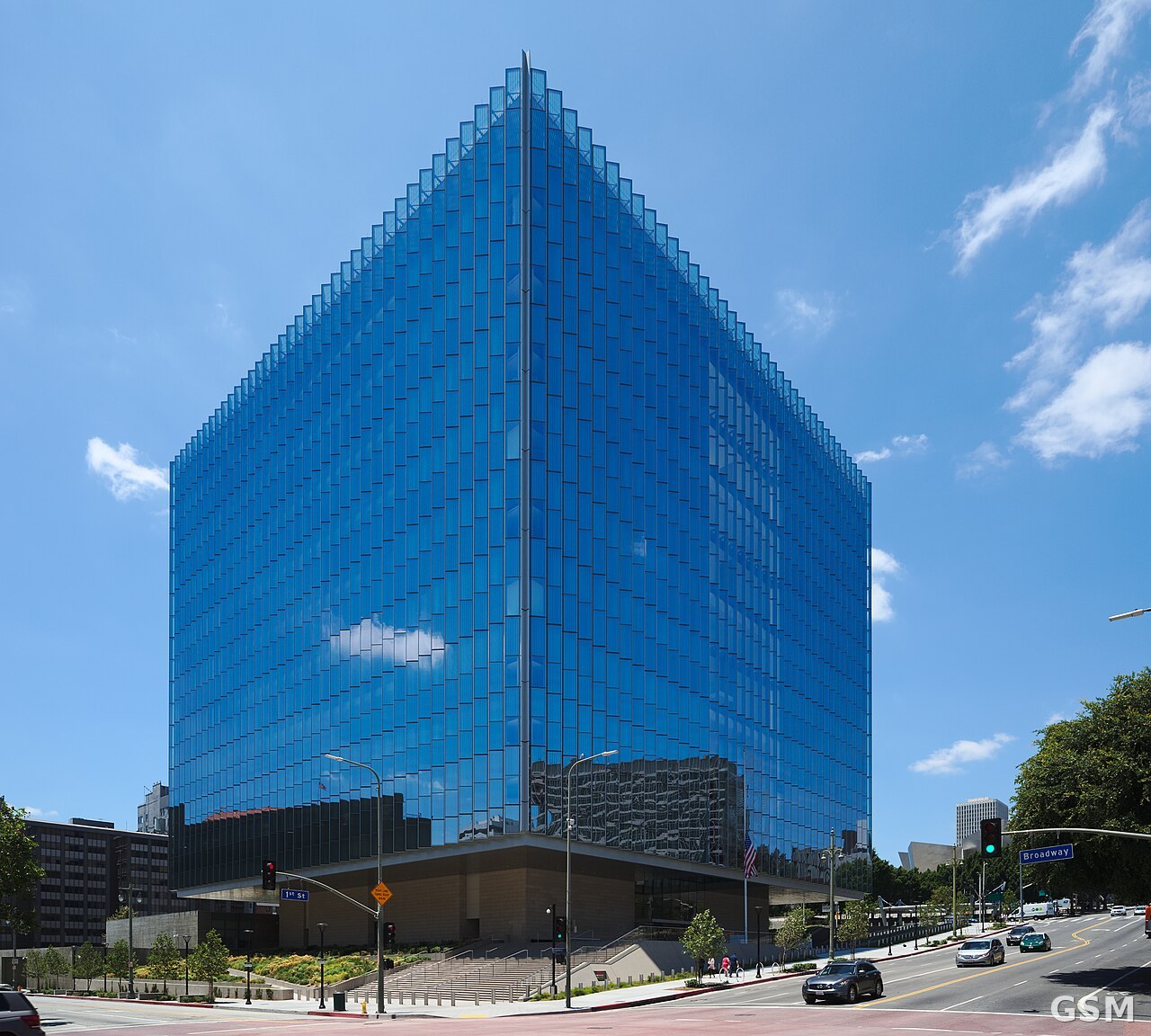
Photo: 图:位于洛杉矶市中心的美国联邦法院大楼(First Street U.S. Courthouse,资料图)。Daniel L. Lu 摄,CC BY-SA 4.0,来源:Wikimedia Commons / Photo: First Street U.S. Courthouse in downtown Los Angeles (file photo). By Daniel L. Lu, CC BY-SA 4.0, via Wikimedia Commons.
- 2026-10-13Justice Department Gives California 48 Hours to Review Alleged Noncitizen Voter List
- 2026-10-15Follow-Up: DOJ Sues California, Asking Court to Block Counting of Mail Ballots From More Than 20,000 Alleged Noncitizen Voters
- 2026-10-16Follow-Up: DOJ Warns California and LA County Officials They Could Face Federal Liability Over Disputed Mail Ballots
- 2026-10-19DOJ 'Operation Protect the Vote': 28 Green Card Holders Charged in California with Illegal Registration and Voting; 11 Arrested
- 2026-10-20Follow-Up: DOJ Seeks Emergency Restraining Order to Stop California Processing Ballots From 20,000-Name List
- 2026-10-20Update: California Attorney General Asks Federal Court to Deny DOJ Bid to Set Aside 20,000 Ballots
- 2026-10-20Follow-Up: DOJ Acknowledges 20,000-Name Voter List May Include U.S. Citizens, Governor's Office Says
- 2026-10-21Judge Who Rejected DOJ Voter Roll Demand Takes Over California Ballot Case: David Carter Replaces Trump Appointee
- 2026-10-22Follow-Up: DOJ Takes California Ballot Case to the Ninth Circuit, Calling Judge's Inaction a Constructive Denial
- 2026-10-23Follow-up: Details Emerge in California Voter Cases: Most of the 28 Green Card Holders Charged Were Applying for US Citizenship
- 2026-10-24Follow-Up: DOJ Sends 48-Hour Ballot-Segregation Letters to 57 California Counties, Warning Officials of Criminal Liability as Counties Push Back
- 2026-10-24Follow-Up: Ninth Circuit Orders California to Respond by Noon Saturday to DOJ Emergency Request on Ballots
- 2026-10-25Follow-Up: California Voter-List Fight Escalates: LA County Sample of 200 Finds Over Half Cancelled or Inactive; Ninth Circuit Hears Case Sunday Afternoon
- 2026-10-25Follow-Up: 9th Circuit Judges Question DOJ Lawsuit to Set Aside California Mail Ballots, Citing Elections Clause
- 2026-10-26Follow-Up: 9th Circuit Rejects DOJ Emergency Appeal 2-1 Over 20,000 California Mail Ballots, Sending Case Back to District Court
- 2026-10-26Follow-Up: Newsom Calls Ninth Circuit Ruling in Voter Ballot Case a 'Positive Development'
- 2026-10-27Follow-Up: Federal Judge Hears Arguments in Los Angeles on Justice Department Bid to Block Counting of 20,000-Plus California Mail Ballots
- 2026-10-28Follow-Up: Federal Judge Carter Denies Justice Department Bid to Set Aside More Than 20,000 California Mail BallotsThis story
- 2026-10-28Follow-Up: Judge Carter Denies DOJ Bid to Set Aside More Than 20,000 California Ballots: Governor Newsom and Attorney General Bonta Issue Statements
- 2026-10-29Follow-Up: Federal Grand Jury Indicts 3 Foreign Nationals Who Registered to Vote in California, Charging False Statements on Naturalization Forms
- 2026-10-30Follow-Up: DOJ Issues Grand Jury Subpoenas to California Election Officials Seeking Records on Detecting Unlawful Voting
- 2026-10-30Follow-Up: Ninth Circuit Again Rejects Justice Department Emergency Bid 2-1: More Than 20,000 California Mail Ballots to Be Counted as Usual
- 2026-10-30Follow-Up: Newsom and Bonta Respond to Ninth Circuit Ruling, Calling It the Trump Administration's Third Failed Attempt This Week to Interfere in California's Election
- 2026-10-31Follow-Up: Judge Orders Justice Department to Stop Threatening Election Officials Over Noncitizen Voter List
- 2026-10-31Follow-Up: Newsom Warns California's Chief Federal Judges of Ballot-Seizure Warrant Risk