Tijuana River Valley Health Study Seeks Researchers: Up to $250,000 to Examine Disease Rates in Border Communities
For years, sewage flowing across the border in the Tijuana River has plagued the valley at the southern end of California's San Diego County. Now the county is paying researchers to establish what it has done to residents' health. On October 8, the County of San Diego issued a public solicitation for a research team to study health in Tijuana River Valley communities; quotes were due October 30, and the county has budgeted $200,000 to $250,000 for the study.
Under the county's description, the study will compare disease rates in valley communities — including Imperial Beach, Nestor and San Ysidro — with the rest of the county, to test whether illnesses associated with sewage exposure are more common there. It will build on the CDC's CASPER household survey conducted in the valley, whose sample represents about 41,000 households; the survey results are expected by the end of the year.
The Tijuana River rises in Mexico, crosses the border into the United States and reaches the Pacific near Imperial Beach. Sewage in the river has repeatedly closed Imperial Beach's beaches, and valley residents have long complained of odors and respiratory problems. The county says the study is intended to produce local disease data to guide cleanup investment and public health planning.
Source: GSM · USA (original Chinese edition)
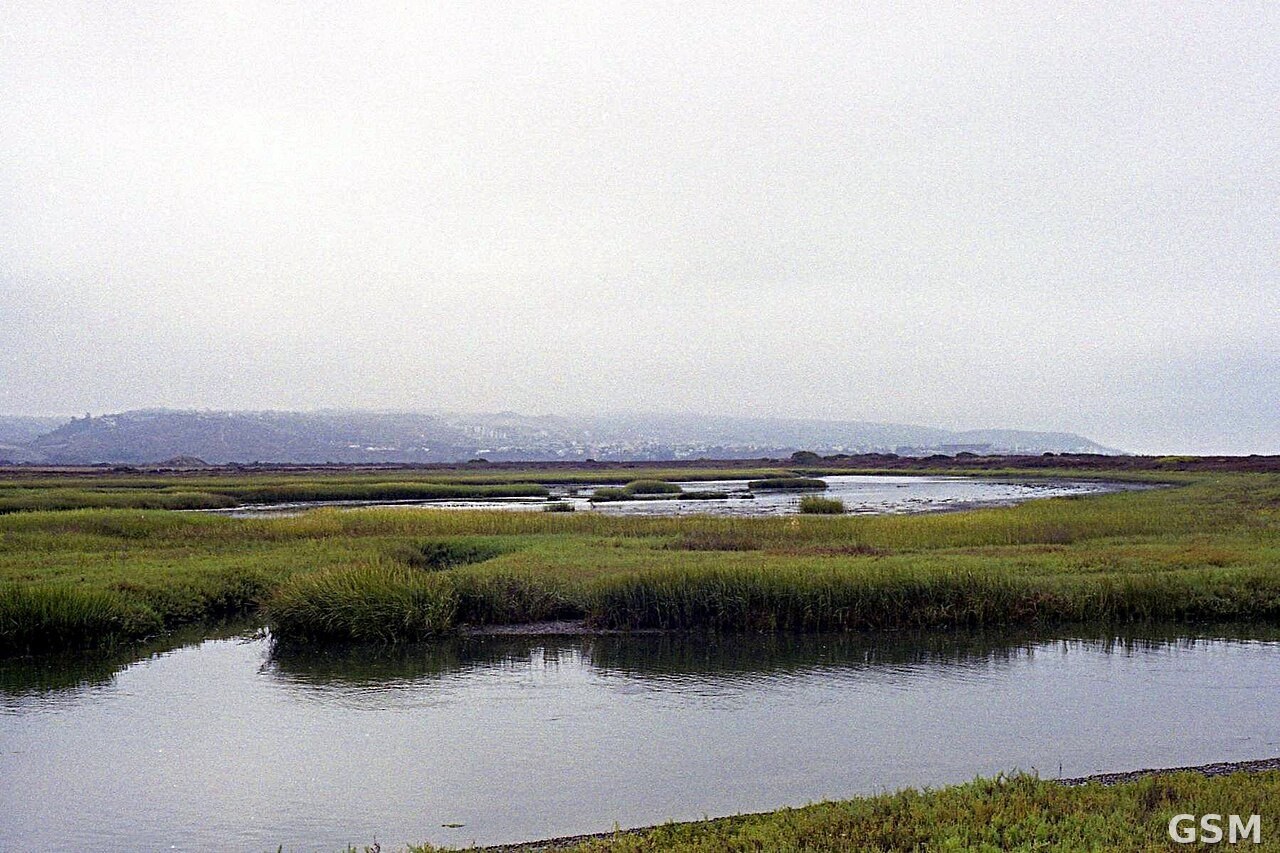
Photo: 图:圣迭戈县南端 Imperial Beach 附近的提华纳河口湿地。图片:Osbornb,CC BY,经 Wikimedia Commons。 / The Tijuana River estuary near Imperial Beach. Photo: Osbornb, CC BY, via Wikimedia Commons.