
Asian American Journalists Association Criticizes Surname Punchlines in Jensen Huang Coverage, Naming The Economist and the New York Post
The Asian American Journalists Association (AAJA) on November 11 issued a statement criticizing some news organizations for turning an Asian surname into a punchline in their coverage of the espionage allegations involving Nvidia chief executive Jensen Huang, and urging care and responsibility in language and framing when reporting on China, national security and people of Chinese and Taiwanese descent.
Reporting on allegations of espionage is legitimate and important, the statement said, but recent coverage of Huang has raised concerns, including headlines that turn Asian surnames into punchlines, and a headline should not come at the expense of communities already facing harmful stereotypes. Media framing has real-world consequences, AAJA said, and reporting on national security concerns and holding individuals accountable should never perpetuate racial stereotypes or cast entire communities under suspicion. The association recalled that during the COVID-19 pandemic, language choices helped fuel anti-Asian xenophobia and racism.
The statement named two examples: The Economist's November 9 article on Huang and the espionage controversy used the tagline “Two Huangs don’t make a right,” and the New York Post used “HUANG HUANG BANG BANG” as its November 9 front-page headline. While wordplay may seem harmless, AAJA said, turning a common Asian surname into a punchline in a story about espionage and national security risks reinforcing harmful associations between identity and suspicion, wrongdoing or divided loyalties, and such stereotypes are ones real people have to live with.
AAJA also urged journalists to clearly distinguish between the Chinese government, Chinese nationals and Asian Americans, saying the three are not interchangeable and a person's background or national origin should never be used to presume loyalties. The association said it is reaching out directly to the editorial leadership at The Economist and the New York Post, and encouraged its community to keep flagging headlines, language and imagery that perpetuate harmful stereotypes. Founded in 1981, AAJA is a professional membership association advocating accurate, comprehensive and fair coverage of Asian American and Pacific Islander communities.
The Huang matter itself is still developing: Nvidia's board has launched an independent investigation, Huang has admitted to employees that he was unfaithful to his wife, and the chairs of three House committees have asked him to give a closed-door briefing on his dealings with Huang Le, also known as Alice Huang.
Since GSM began following this matter, our newsroom has written to NVIDIA's media department to inquire about it and had not received a formal response as of publication. GSM will continue to follow official developments.
Related: Jensen Huang Admits Infidelity to Staff as Nvidia Board Launches Independent Investigation
Viral 'Open Letters' Attributed to Jensen Huang's Wife and Daughter Are Fabricated
Source: Asian American Journalists Association
Published by GSM · USA (original Chinese edition)
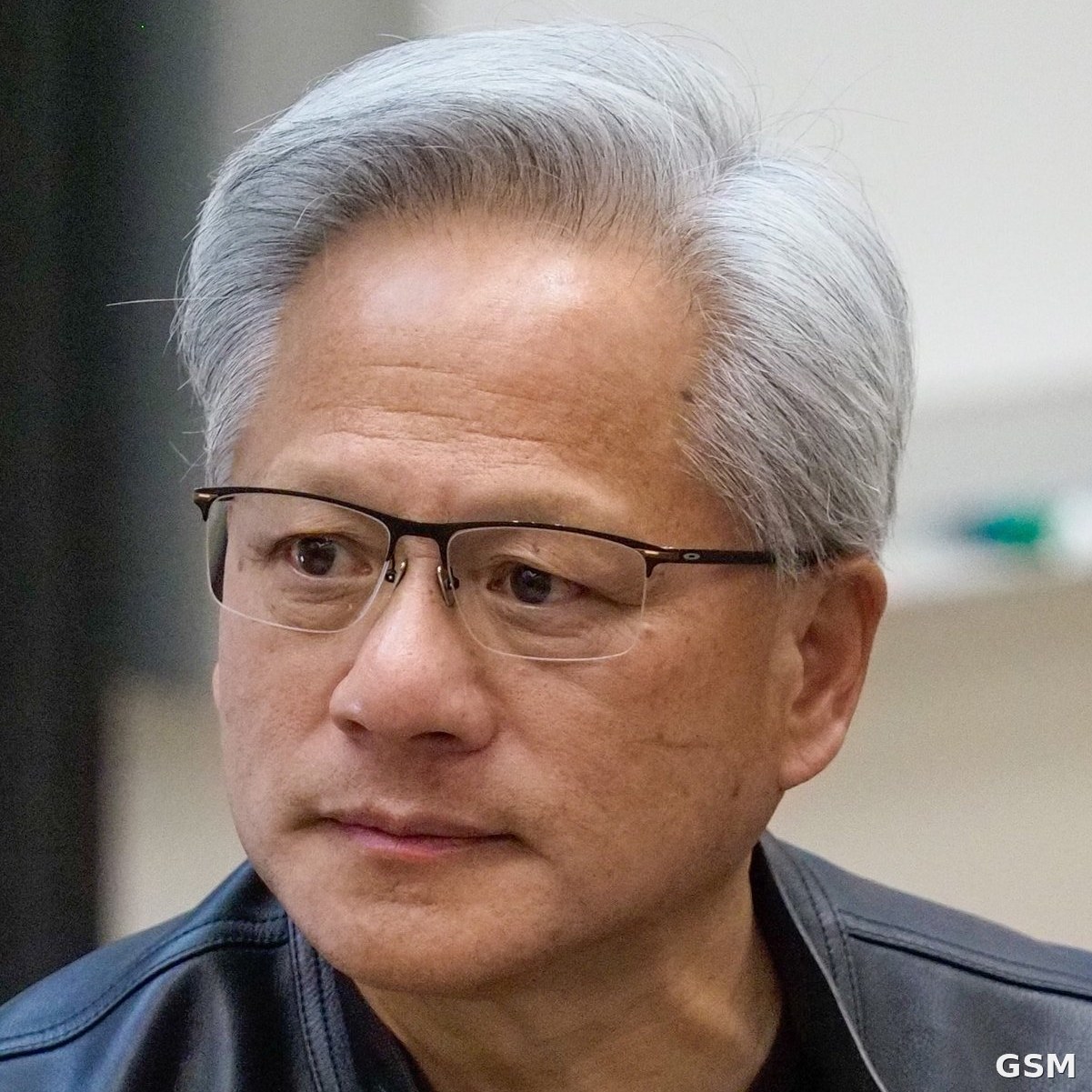
Photo: 图:英伟达创始人兼首席执行官黄仁勋2026年4月30日在斯坦福大学出席对谈(资料图)。Anderseidesvik 摄,CC BY-SA 4.0,经 Wikimedia Commons,本站档案图复用。 / Photo: Nvidia founder and CEO Jensen Huang at a Stanford University talk on April 30, 2026 (file photo). Photo by Anderseidesvik, CC BY-SA 4.0, via Wikimedia Commons; GSM archive reuse.