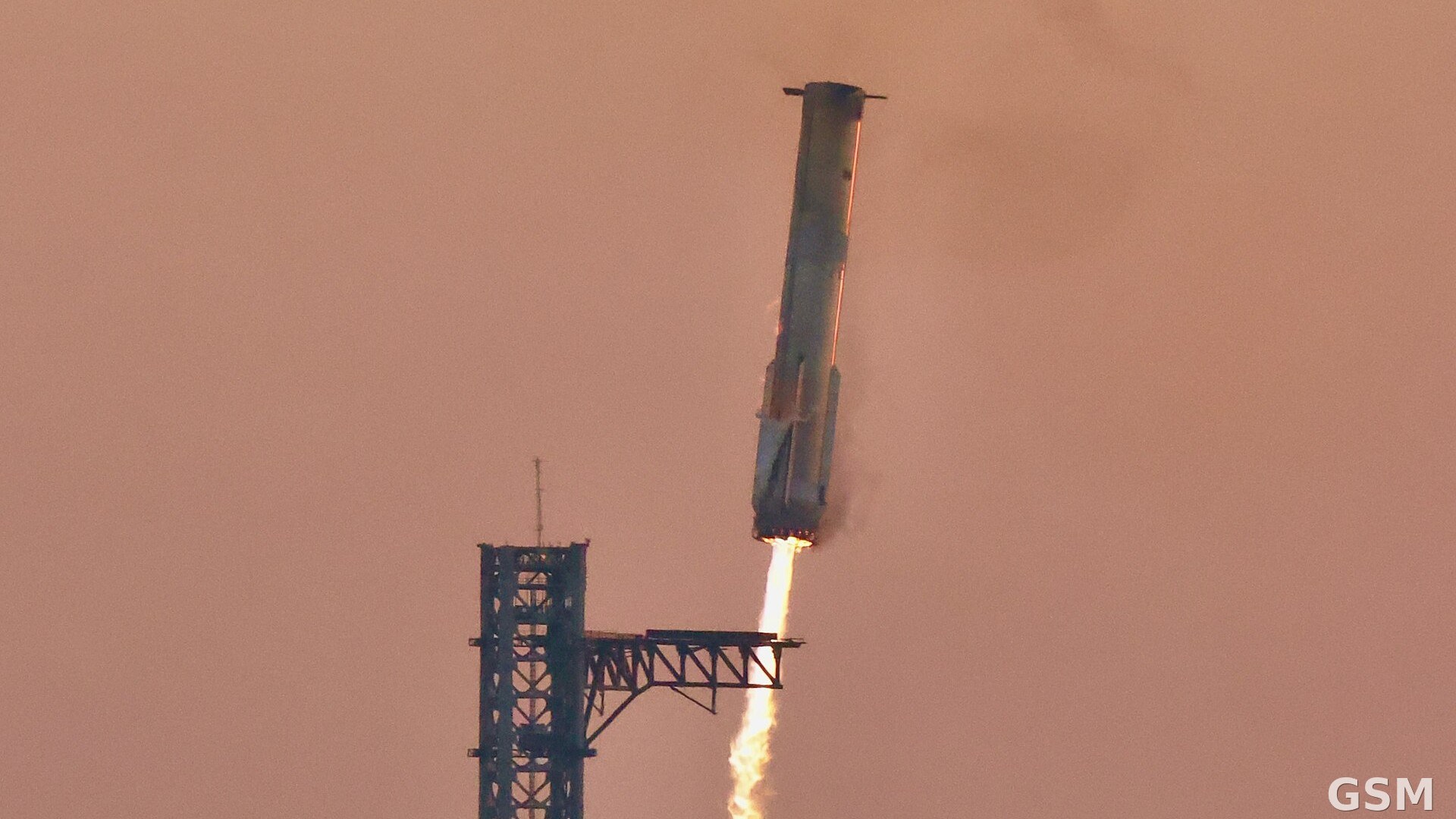
SpaceX Launches Starship Flight 15: All 26 Starlink V3 Satellites Deployed; Booster Catch Waved Off for Gulf Splashdown
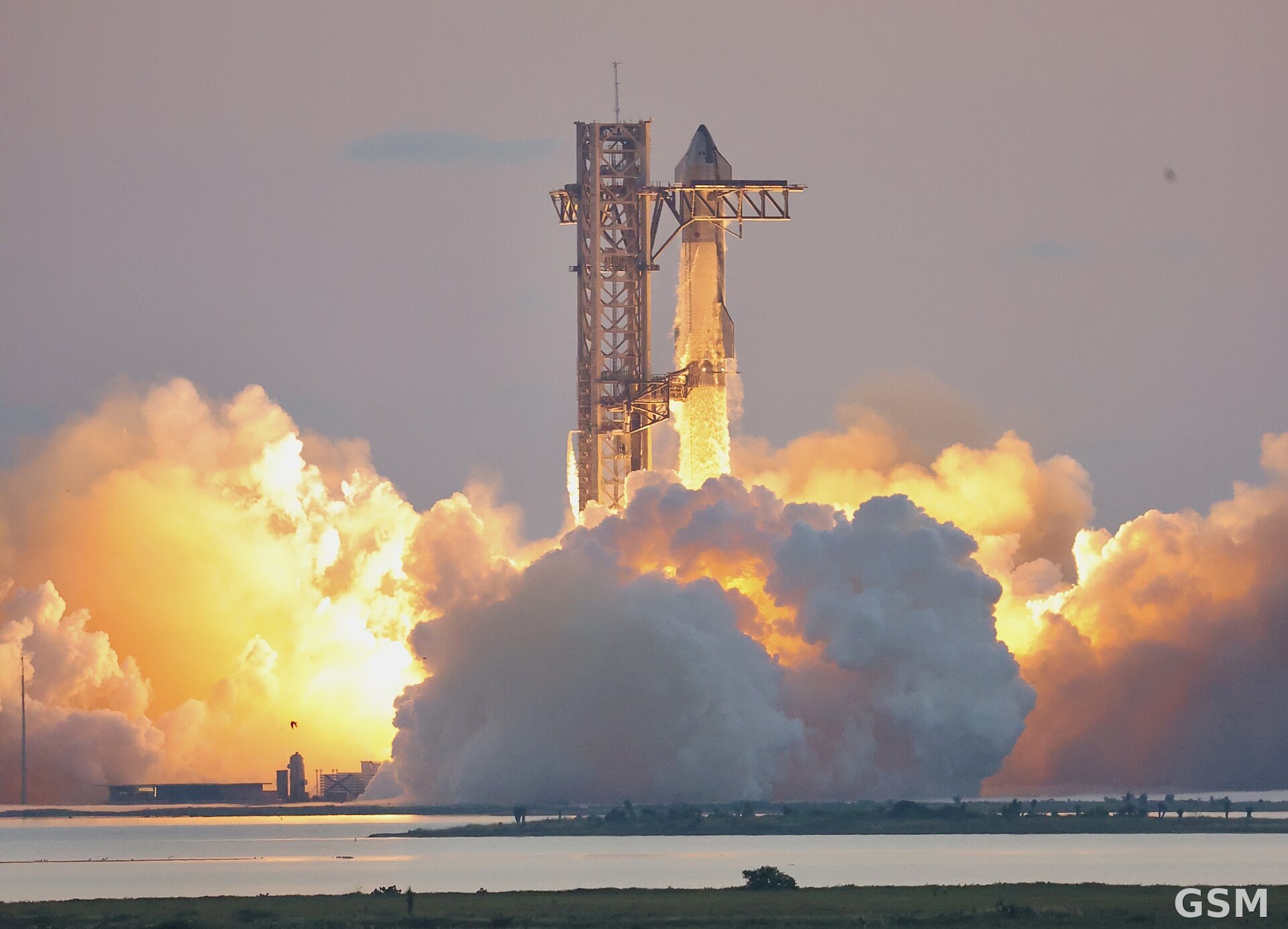
SpaceX's Starship lifted off on its 15th flight test at 5:47 p.m. ET (2:47 p.m. PT) on November 13 from Orbital Launch Pad 2 at Starbase in Cameron County, Texas. The upper stage, Ship 42, reached orbit and deployed all 26 Starlink V3 satellites it was carrying, while the Super Heavy booster, Booster 22, was diverted by automated abort criteria on its way back, giving up the planned launch-tower catch for a controlled splashdown in the Gulf of Mexico.
In a post on its official X account, SpaceX said the Super Heavy booster had begun its boostback burn before automated abort criteria diverted it to a controlled soft splashdown in the Gulf of Mexico, while Starship continued its orbital mission. The flight was to have been the first return-and-catch attempt for a Version 3 Super Heavy booster; three Version 1 boosters were caught on earlier test flights, two of which went on to fly again. SpaceX has not yet said what specifically triggered the abort.
After reaching orbit, Ship 42 opened its payload bay and began releasing the satellites about 36 minutes into the flight. SpaceX later updated that all 26 Starlink V3 satellites had been deployed and had all made contact with the ground. According to SpaceX's mission page, each Starlink V3 satellite adds 1 terabit per second of capacity to the constellation, with all 26 together equal to roughly 10 Falcon 9 launches of Starlink V2 Mini satellites; three of the satellites carry a suite of cameras to scan the ship's heatshield after deployment and send imagery back to operators.
The most closely watched step is still to come. Ship 42 will spend more than 22 hours in orbit at an altitude of about 275 kilometers, completing roughly 14 orbits of Earth. SpaceX said during its broadcast that the ship has been given a go to proceed past the early return checkpoint off the coast of Hawaii. Under the plan, the ship will return to Starbase at about 1:17 p.m. PT on November 14 for the first attempt to catch the Starship upper stage itself with the launch tower's arms. SpaceX stresses on its mission page that the ship will execute a return to the launch site only if the flight control team has ensured the systems critical for reentry and the final landing burn are healthy; otherwise it will splash down at sea.
The flight is Starship's 15th test flight since 2023 and the second time Starship has carried operational Starlink satellites to orbit, after Flight 14 in September. If the ship is caught successfully tomorrow, it will mark the first full recovery of an orbital launch system, which SpaceX calls a breakthrough moment in making Starship a reliable, rapidly reusable rocket. GSM will publish a follow-up when the ship returns.
Related: Musk: Starship Flight 15 Is Targeted a Little Before Thanksgiving and Will Try to Catch the Ship
(Source: SpaceX)
Source: SpaceX
Published by GSM · USA (original Chinese edition)
Photo: 图:星舰点火升空(资料图,摄于2024年10月13日第五次综合试飞)。Steve Jurvetson 摄,CC BY 2.0,经 Wikimedia Commons。 / File photo: A Starship vehicle ignites and lifts off (fifth integrated flight test, October 13, 2024). Photo by Steve Jurvetson, CC BY 2.0, via Wikimedia Commons.
- 2026-10-16Starship Flight 15 Planned No Earlier Than Oct. 19, With First Attempt to Catch the Ship at the Launch Tower
- 2026-10-19Musk: Starship Flight 15 Is Targeted a Little Before Thanksgiving and Will Try to Catch the Ship
- 2026-11-13SpaceX Launches Starship Flight 15: All 26 Starlink V3 Satellites Deployed; Booster Catch Waved Off for Gulf SplashdownThis story
- 2026-11-13Follow-Up: Starship Flight 15 Booster Burst Into Flames on Its Gulf Splashdown; Ship Still in Orbit Ahead of Nov. 14 Catch Attempt
- 2026-11-14Follow-up: Starship Ship Caught by Launch Tower for the First Time as Ship 42 Returns to Starbase After About 14 Orbits in 22.5 Hours