
Alaska 2026 Election Results: All Three Top Races Uncalled Ahead of Nov. 18 Ranked-Choice Tabulation
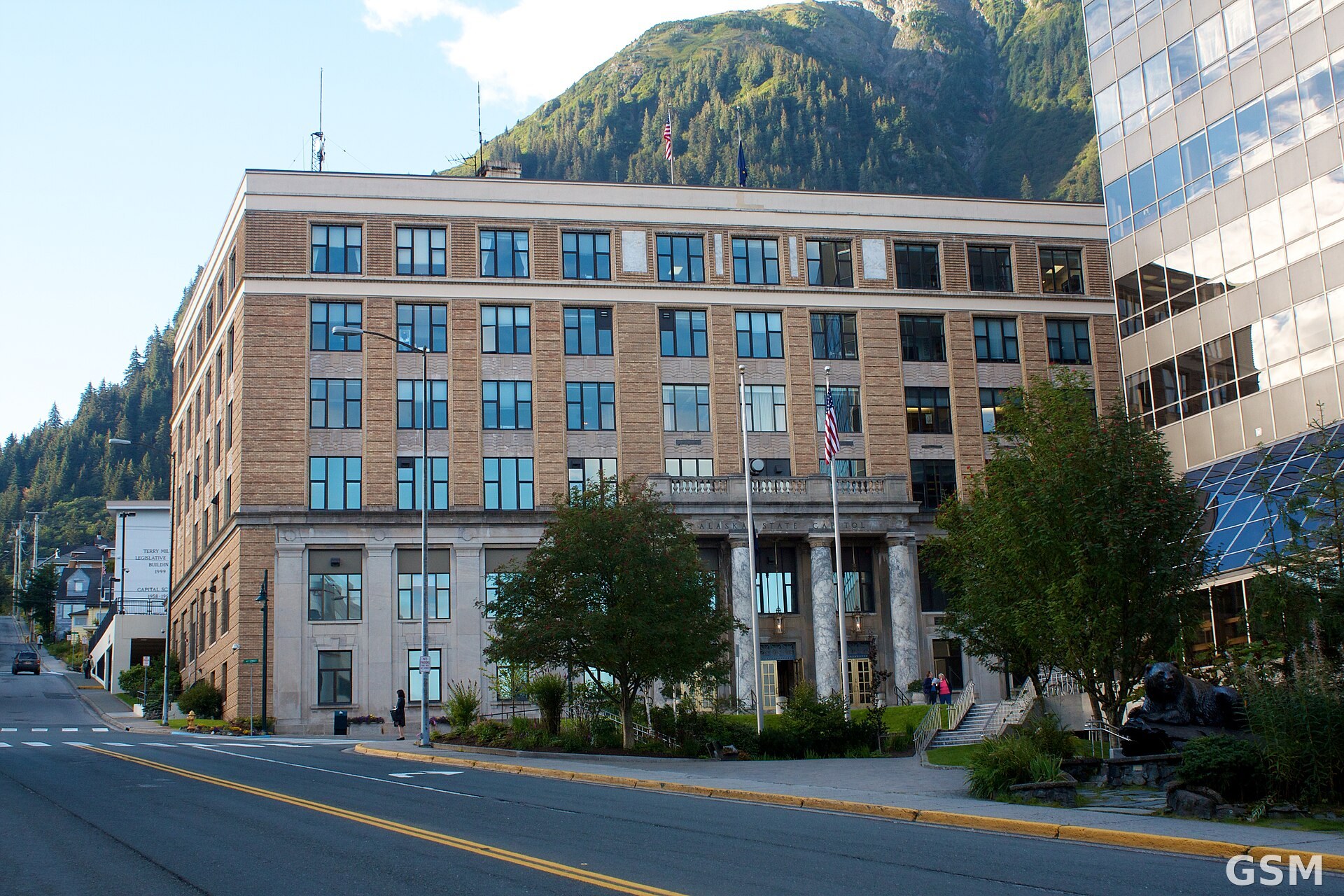
Alaska voted in the 2026 midterm elections on November 3, and the results below are the collective choice of the state's voters. According to the Alaska Division of Elections' unofficial count and Associated Press data, all three top races — governor, U.S. senator and U.S. House — remain uncalled: no candidate won a first-round majority, and each awaits the ranked-choice tabulation on November 18. Of the two statewide ballot measures, one has been called as passed and one is still uncalled. The full list follows.
Governor and U.S. Senator
Governor: not yet called. First-round leader Jonathan Kreiss-Tomkins (D, running with an undeclared running mate for lieutenant governor) has 103,610 votes, 49.2%, short of 50%. Gov. Mike Dunleavy (R) was term-limited, so the seat is open and its party control is undecided. The AP status is "Too Early to Call."
Governor, other candidates (all Republican, first round): Bernadette Wilson, 61,566 votes, 29.2%; Dave Bronson, 29,900 votes, 14.2%; Treg Taylor, 15,713 votes, 7.5%.
U.S. Senator: not yet called. The Division of Elections' unofficial count on the afternoon of November 9 showed first-round leader Mary Peltola (D, a former U.S. representative) with 106,321 votes, 48.47%, ahead of incumbent Sen. Dan Sullivan (R) with 103,804 votes, 47.33% — a margin of 2,517 votes, with neither above 50%; the AP counts about 76% of the expected vote, with a larger count update due November 10.
U.S. Senate, other candidates (first round): Gerald Heikes (R), 4,821 votes, 2.3%; Daniel J. Sullivan Jr. (an unrelated candidate sharing the incumbent's name, undeclared), 3,583 votes, 1.7%.
Senate counting note: an earlier Division of Elections unofficial summary showed Sullivan ahead, while a later AP snapshot showed Peltola in front — the lead has changed with the counting snapshot, so both are listed and neither is treated as the winner. The state's other senator, Lisa Murkowski (R), was not up this year; her seat is next contested in 2028.
Other Statewide Offices
No other statewide elected executive offices were on the ballot this year: the governor and lieutenant governor run as a single ticket (see above), and offices such as attorney general are appointed by the governor, not elected.
The retention vote for state Supreme Court Justice Jude Pate has no official or AP result available and is left blank here pending an announcement.
Ballot Questions
Measure 2 (repeal of ranked-choice voting): would repeal the top-four open primary and ranked-choice general election system adopted in 2020 and restore party primaries and plurality winners. Still not called: the AP's current count has No (against repeal) at 109,408 votes ahead of Yes at 99,869, with about 74.44% of precincts reporting and the status still Too Early to Call. The measure is a simple-majority yes/no question outside the ranked-choice tabulation, but remaining ballots could still change the margin.
Measure 3 (citizen voting qualification): would amend state law to state expressly that only U.S. citizens meeting other qualifications may vote. Passed: Yes 142,616 votes, 69.6%, to 62,175 No votes. Called by the AP.
U.S. House
Overview: the state has one seat (a single at-large district), held before the election by Republicans (incumbent Nick Begich III).
At-Large District: not yet called. First-round leader Nick Begich III (R, incumbent) has 104,276 votes, 49.8%, short of a majority, awaiting the November 18 ranked-choice tabulation. The AP status is "Too Early to Call."
At-Large District, other candidates (first round): Bill Hill (undeclared), 83,996 votes, 40.1%; Eric Hafner (D), 15,135 votes, 7.2%; James C. McDermott (Libertarian), 5,658 votes, 2.7%.
Chinese American / Asian American winners: none. No Chinese American or Asian American winner or leader was found among the candidates for this seat; Senate leader Peltola is Alaska Native (Yup'ik), which is an Indigenous identity, not an Asian American one.
State Legislature
State Senate: 20 seats, 10 up this year. Both chambers were controlled before the election by cross-party coalition majorities (Democrats, independents and some Republicans) rather than a single party; the provisional reading is that the prior 14-member coalition can retain an organizing majority (threshold 11 seats) with no sign of a control flip, with the final makeup awaiting the ranked-choice tabulation.
State House: 40 seats, all up this year. The provisional reading is that Democrats and independents lead in about 23 seats and the prior coalition is expected to continue, with no flip; the final makeup awaits the tabulation and caucus negotiations.
Counting and Certification
Alaska uses ranked-choice voting statewide: races without a first-round majority will be decided by the ranked-choice tabulation on November 18, 2026, and state certification is expected on November 25; mailed absentee ballots are still arriving and being counted. All figures here are first-choice numbers from the Division of Elections' unofficial count and AP data as of the morning of November 4; uncalled races are listed with their current leaders only, and final results are subject to official certification. GSM will update this list as the remaining races are called.
Related: 2026 midterm results: all 50 states
Source: Alaska Division of Elections
Published by GSM · USA (original Chinese edition)
Photo: 图片来源:阿拉斯加州议会大厦(Juneau),摄影 Jay Galvin,CC BY 2.0(Wikimedia Commons)