
[Video] ULA Vulcan Return to Flight Slips One Day: Nitrogen Plant Outage Pushes Launch of 40 Amazon Leo Satellites to Saturday Midday
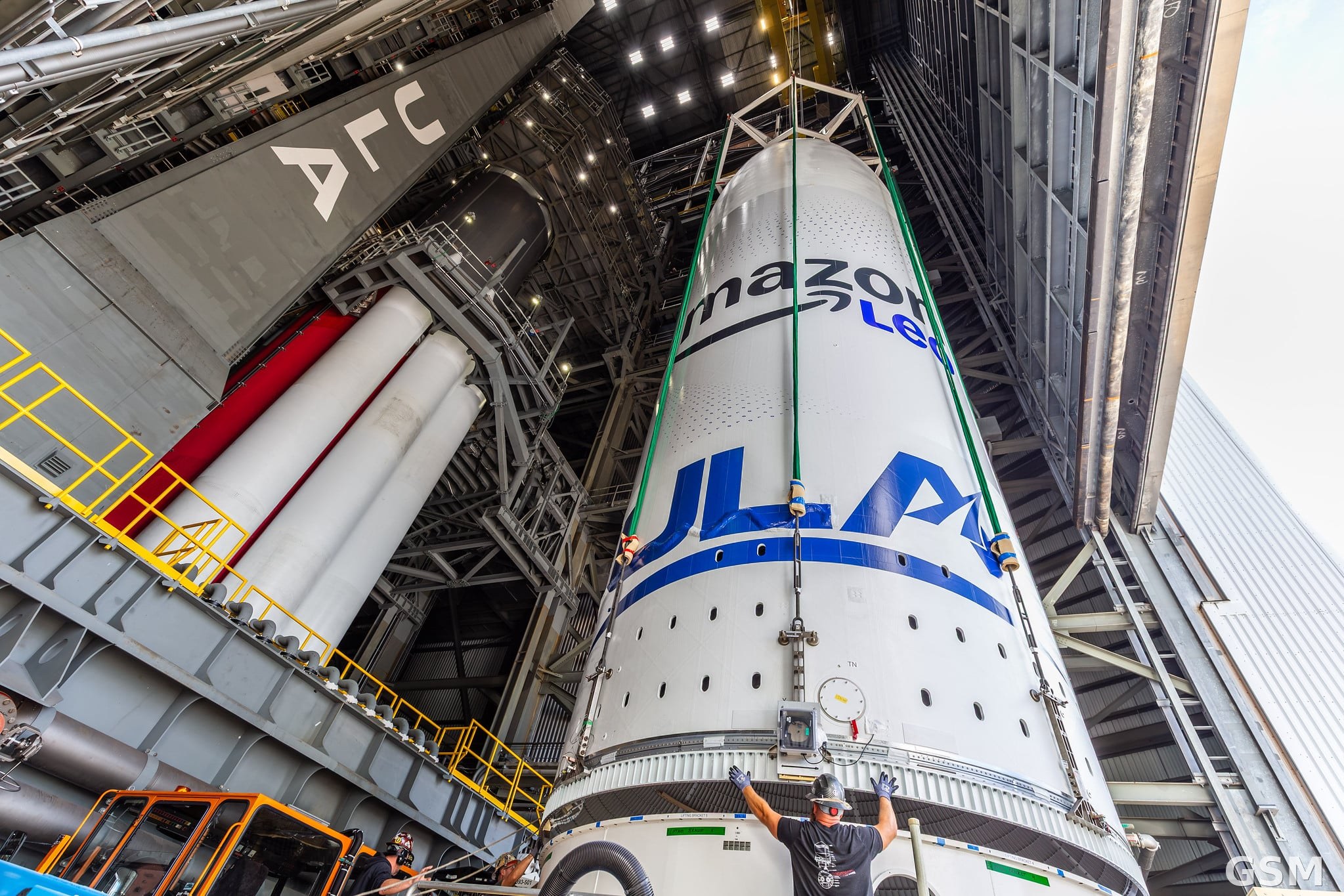
United Launch Alliance (ULA) had planned to launch its Vulcan rocket on November 13 from Space Launch Complex 41 at Cape Canaveral Space Force Station in Florida, carrying 40 Amazon Leo broadband satellites to low Earth orbit, but the attempt was called off that morning after a power interruption at a nitrogen plant; liftoff is now set for 12:32 p.m. Eastern on Saturday, November 14, with the rocket and satellites healthy.
In a statement Friday morning, ULA said the launch was delayed due to a power interruption in the Air Liquide gaseous nitrogen plant, which resulted in the loss of its high-pressure pumps, and that without confirmation of sustained commodity flow the team decided to realign the launch to the back-up opportunity. Gaseous nitrogen is used to purge and pressurize systems on the rocket and launchpad. ULA announced the delay at 8:41 a.m. Eastern, a little more than four hours before the scheduled liftoff and after the launch team had begun loading liquid oxygen into the Centaur V upper stage.
The mission, designated LV-01, is Vulcan's first flight since February. During the USSF-87 national security mission on February 12, a solid rocket booster nozzle appeared to suffer a burn-through about 20 seconds after liftoff, the second nozzle problem in Vulcan's first four flights, and the U.S. Space Force paused Vulcan's national security launches. A joint investigation by ULA, booster supplier Northrop Grumman, the Space Force and other agencies identified three credible causes and led to changes in both the nozzle's design and how it is built; the investigation continues, and the Space Force has said it wants to review data from this commercial flight before deciding whether Vulcan resumes national security missions.
LV-01 is also the first of 38 Vulcan launches Amazon has purchased from ULA. Its 40 satellites are the largest single batch Amazon has launched, with a payload of more than 50,000 pounds, a ULA record. The rocket, designated V-012, flies in the VC6L configuration with six solid rocket boosters, stands 215 feet tall, and uses the first low-Earth-orbit-optimized Centaur V upper stage: at 35 feet it is about six feet shorter than the standard version and carries a third less propellant, with the weight savings used to carry more satellites.
Under the flight plan, satellite deployments begin about 70 minutes after liftoff, in 16 separation events over about 25 minutes, into an orbit about 285 miles high at 51.9 degrees inclination. The Space Force's 45th Weather Squadron forecast a zero percent chance of rain at the launch site on Saturday, with winds of 10 to 15 knots. Amazon Leo's first-generation constellation is planned at more than 3,000 satellites. ULA President and CEO Mark Peller said every flight generates data, and that this flight would be used to assess the effectiveness of the nozzle corrective actions in a flight environment.
(Source: United Launch Alliance)
Reference: Spaceflight Now
Source: United Launch Alliance
Published by GSM · USA (original Chinese edition)
Photo: 图:装有 40 颗 Amazon Leo 卫星的整流罩在 Cape Canaveral 的 Amazon 垂直整合厂房内吊装(资料图)。联合发射联盟 ULA 官方发布。 / Photo: The payload fairing containing 40 Amazon Leo satellites being hoisted inside the Amazon Vertical Integration Facility at Cape Canaveral (file photo). United Launch Alliance official photo.
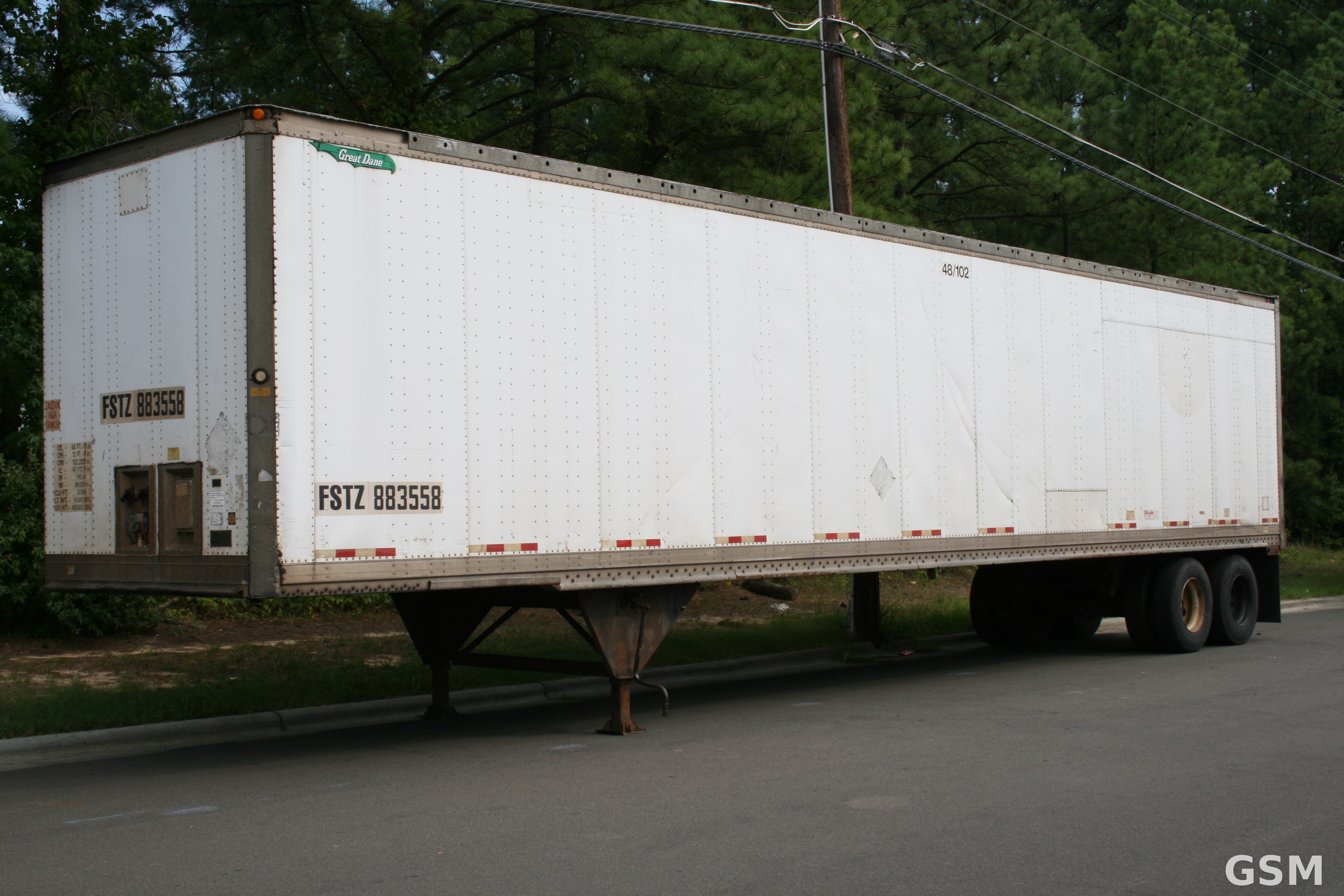 Great Dane Recalls 6,810 Van Trailers: Landing Gear Brace Weld Defect Could Cause Collapse2026-11-14
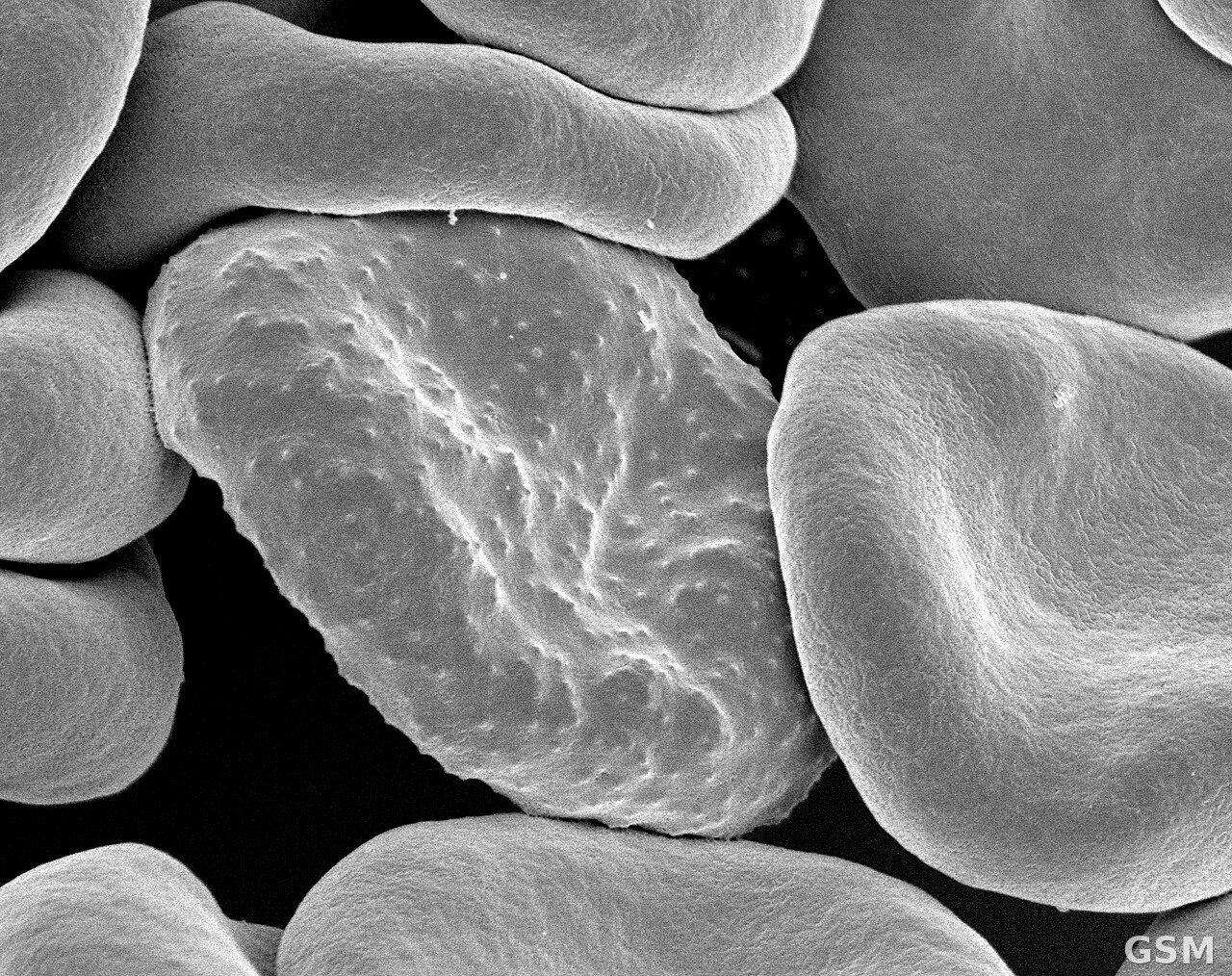 Murine Splenic CD45-Positive Erythroid Cells Carry Antigen-Presenting Cell Transcriptomic Signature, With MHC Class II Module Comparable to Monocytes, Published in Scientific Reports on November 132026-11-14