
PEBA-PEMA Blend Membrane Separates 1-Butanol With Flux of 0.19 kg/m2/h and Separation Factor of 15.5 at 5 Percent PEMA, Published in Scientific Reports on November 13
Scientific Reports published on November 13 a membrane separation study reporting blend membranes made of polyether block amide, or PEBA, and polyethyl methacrylate, or PEMA, used to recover 1-butanol from aqueous solution by pervaporation. The paper was received on April 15, 2026, accepted on September 26, 2026 and published on November 13, with digital object identifier 10.1038/s41598-026-74025-1. Authors include Praveenkumar Denganavar, Santosh Choudhari and Ashok Sajjan.
The membranes were designed using the Hansen solubility parameters approach. Blending with PEMA increased surface roughness and hydrophobicity. Pervaporation tests used an aqueous 1-butanol feed at a concentration of 20 grams per liter, at a temperature of 40 degrees Celsius.
The best-performing membrane, designated PBPM-5, contains 5 weight percent of PEMA. It yielded a flux of 0.19 kilograms per square meter per hour and a separation factor of 15.5. Compared with the pristine PEBA membrane, that is a 50 percent enhancement in flux and a twofold increase in the separation factor.
The study also reported an upper limit for blending. At a blending ratio of 8 weight percent or higher, pervaporation performance fell significantly because of phase separation. In separation tests with multi-component mixtures, performance also decreased, which the paper attributed to a strong coupling effect.
The authors concluded that judicious blending of a small amount of PEMA polymer can significantly enhance the pervaporation butanol separation capability of PEBA. The work is a laboratory membrane materials study, and the paper reported no operating data from industrial-scale equipment.
Source: Scientific
Published by GSM · USA (original Chinese edition)
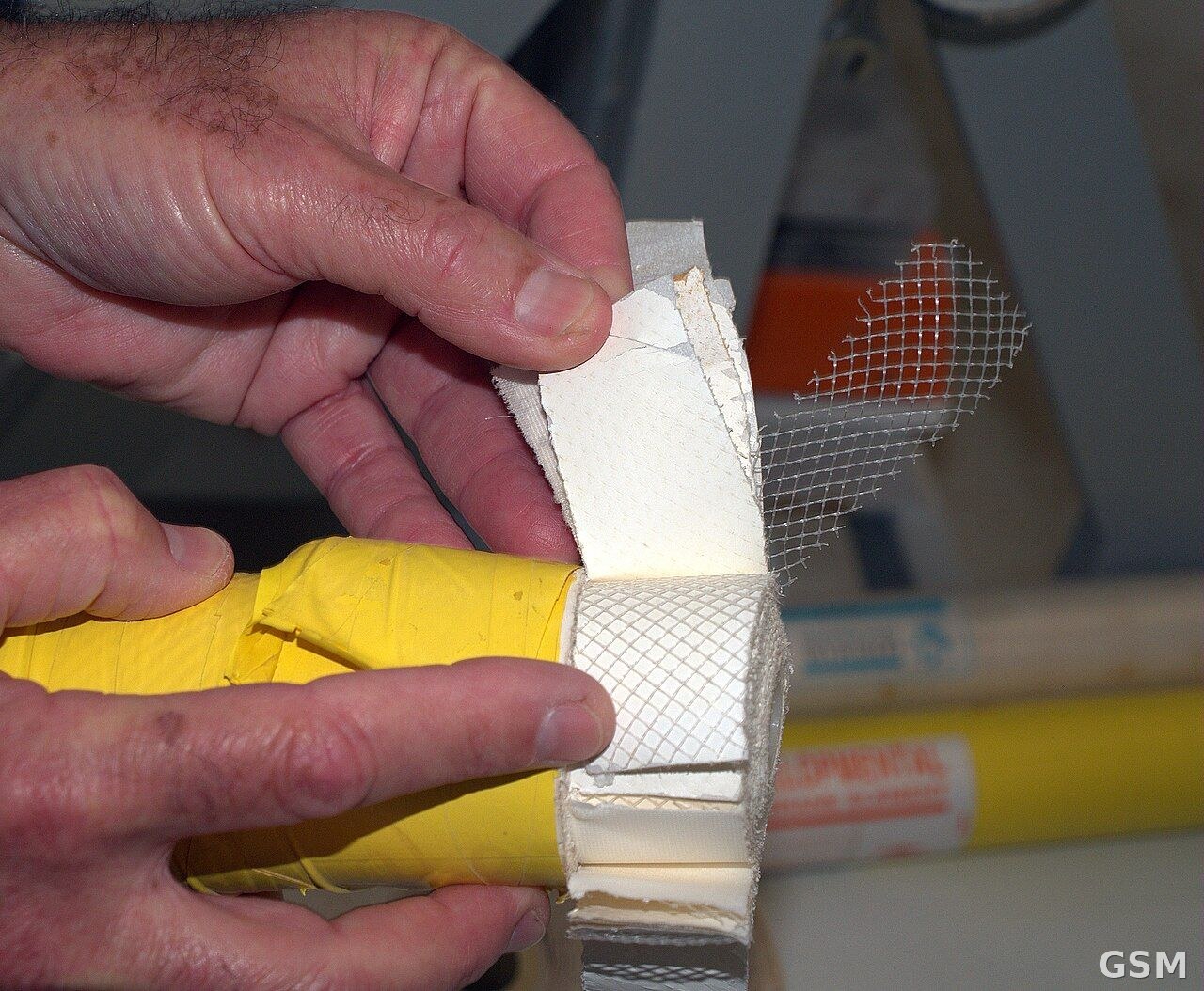
Photo: 图:膜元件的层状结构。作者:David Shankbone,CC BY 3.0,维基共享资源。 / Photo: Layers of a membrane element. Credit: David Shankbone, CC BY 3.0, via Wikimedia Commons.
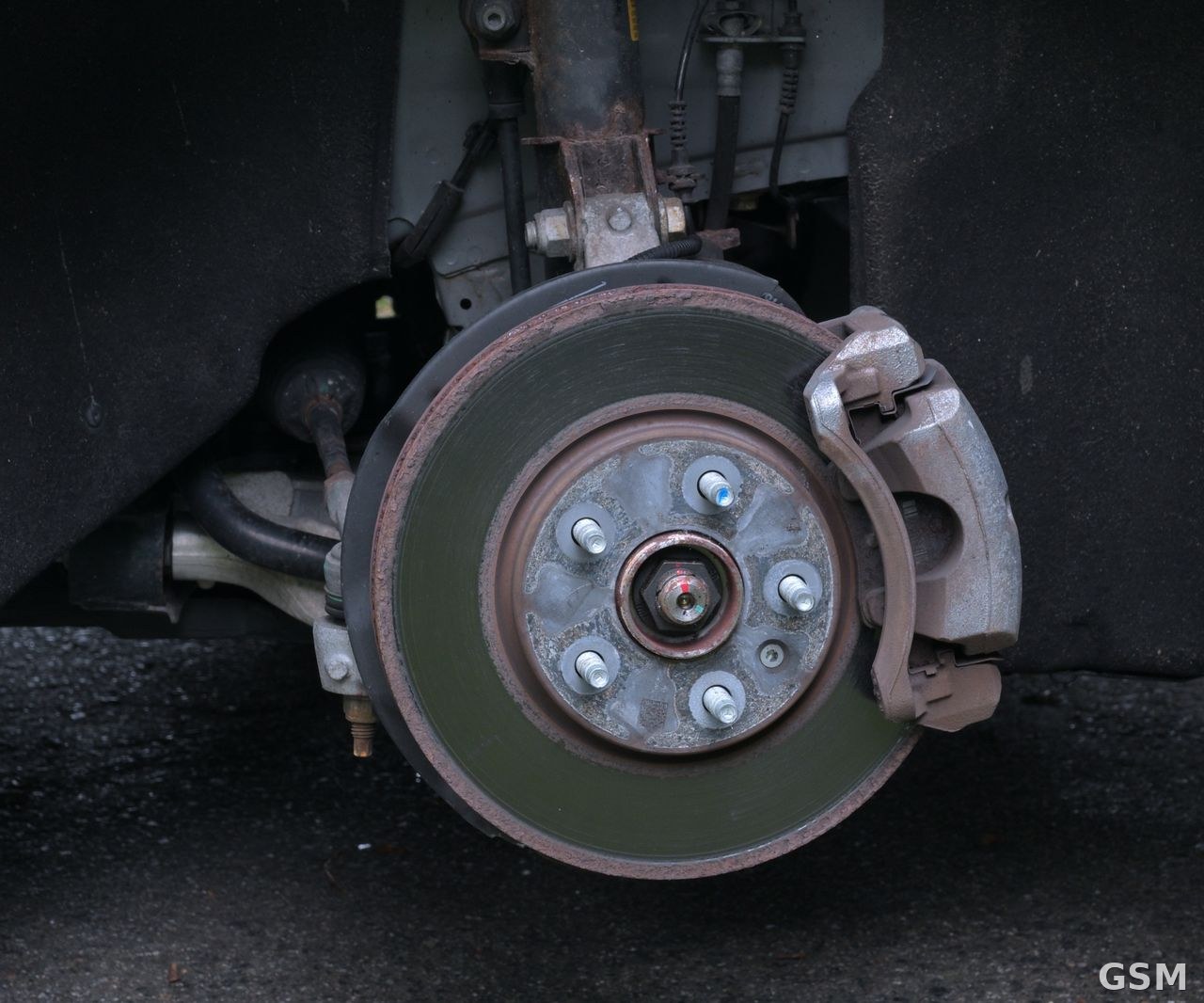 Silicon Carbide Nanomaterials in Disc Brake Pads: 0.5% Loading Raised Average Brake Force by Up to 19%, With Fade Resistance Up to 130°C2026-11-14
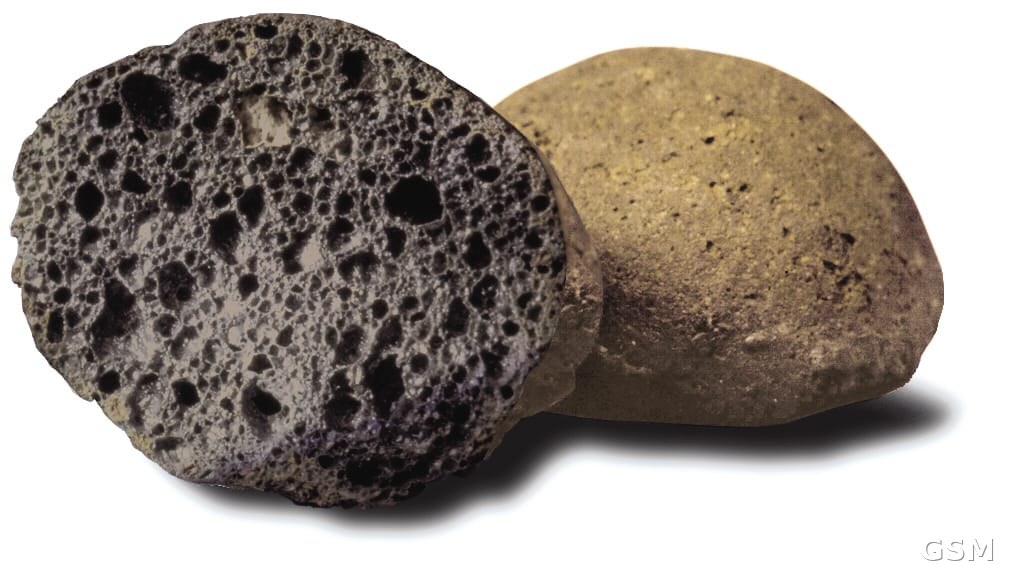 LECA Replacement of 20 to 25 Percent Gives Best Balance in Concrete Study With Control Strength of 31.45 MPa at 28 Days, Published in Scientific Reports on November 132026-11-14