Voters to Decide Measure RTM on Nov. 3: A 0.5% to 1% Sales Tax in Five Counties Raising About $980 Million a Year for BART and Other Transit Systems
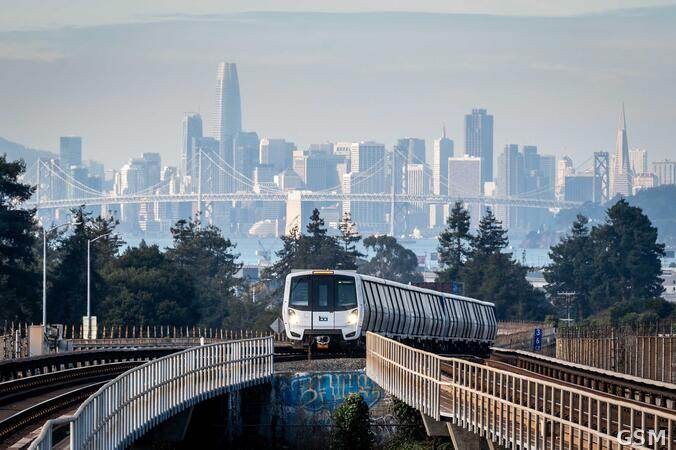
San Francisco Bay Area voters in California will decide on Measure RTM on November 3. The measure would raise sales taxes by 0.5% to 1% in Alameda, Contra Costa, Santa Clara and San Mateo counties and the City and County of San Francisco for 14 years, generating an estimated $980 million annually to support BART, Oakland's AC Transit, Muni, Caltrain and several other regional transit agencies.
BART is at the center of the vote. BART spokesperson Christopher Filippi told The Center Square that fares and parking fees covered about 71 percent of BART's operating budget before the pandemic but only 32 percent in 2026, and the system faces a 2027 budget deficit of about $375 million. Ridership has risen roughly 14 percent from last year but remains at about half its pre-pandemic average. BART says that without RTM funding, starting in January 2027 it would have to cut train hours by 63 percent, raise parking and ride fees by 30 percent and lay off 600 employees.
Sara Greenwald of the climate justice organization 350 Bay Area Action, which has endorsed the measure, said buses and trains would become much less frequent without funding and some bus lines would be canceled; the group estimated the average cost for non-San Francisco residents at $8 per month. Marc Joffe, president of the Contra Costa Taxpayers Association, which opposes the measure, argued transit agencies should first cut expenses that do not affect riders, and said a sales tax is regressive and weighs more heavily on lower-income residents amid high living costs. Greenwald agreed a sales tax is not the most equitable option but said the loss of the transit systems would be worse.
Source: GSM · USA (original Chinese edition)
Photo: 图:加州大学伯克利分校停车与交通部(BART 列车资料图)