Trump Adjusts Canada and Mexico Tariffs: USMCA Duty-Free Goods No Longer Subject to Added Rates
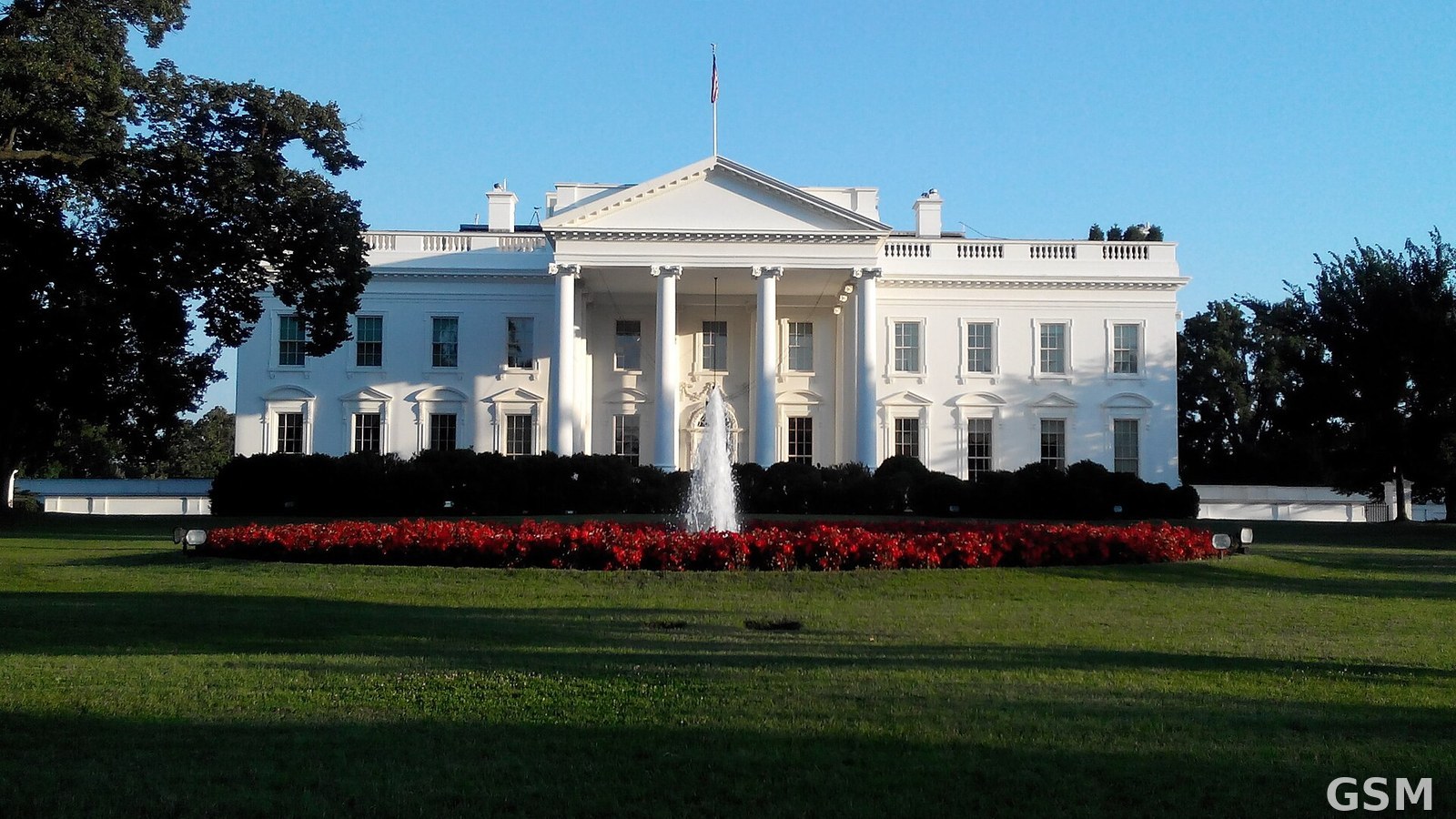
On March 6, 2025, President Trump signed Executive Orders 14231 and 14232 at the White House in Washington, D.C., adjusting the tariffs previously imposed on products of Canada and of Mexico, respectively. The two orders address the same kind of issue in parallel and apply new tariff rules to qualifying products of Canada and Mexico.
In their background sections, the orders state that automobile production is an important source of American jobs and innovation and bears on the economic and national security of the United States. The American automobile industry often trades large volumes of automobile parts across borders in order to keep its supply chain closer to North America. Against that industry background, the orders find that, in order to minimize disruption to the American automobile industry and autoworkers, it is appropriate to adjust the tariffs imposed earlier.
The orders being adjusted were signed on February 1, 2025. Executive Order 14193 imposed an additional 25 percent tariff on products of Canada, with energy products subject to a rate of 10 percent; Executive Order 14194 imposed an additional 25 percent tariff on products of Mexico. The two new orders signed on March 6 amend parts of those earlier orders.
The core of the new rules is in Section 2. Products of Canada and products of Mexico that enter the United States duty-free as goods under the United States-Mexico-Canada Agreement (USMCA), pursuant to General Note 11 of the Harmonized Tariff Schedule of the United States, are no longer subject to the additional rates described above. Potash that does not fall within that category has its additional rate reduced from 25 percent to 10 percent. The adjustment thus turns on whether a product enters duty-free as a USMCA good.
The amendments apply to goods entered for consumption, or withdrawn from warehouse for consumption, on or after 12:01 a.m. eastern standard time on March 7, 2025. The texts of the two executive orders themselves do not state an expiration date for this arrangement, and set no end date for this treatment within the orders.
The legal authorities cited in the two orders include the International Emergency Economic Powers Act, the National Emergencies Act, and section 604 of the Trade Act of 1974, among others.
Related: Trump Signs Orders Imposing 25% Tariffs on Canada and Mexico, 10% on China (Source: The White House)
Source: The White House
Published by GSM · USA (original Chinese edition)
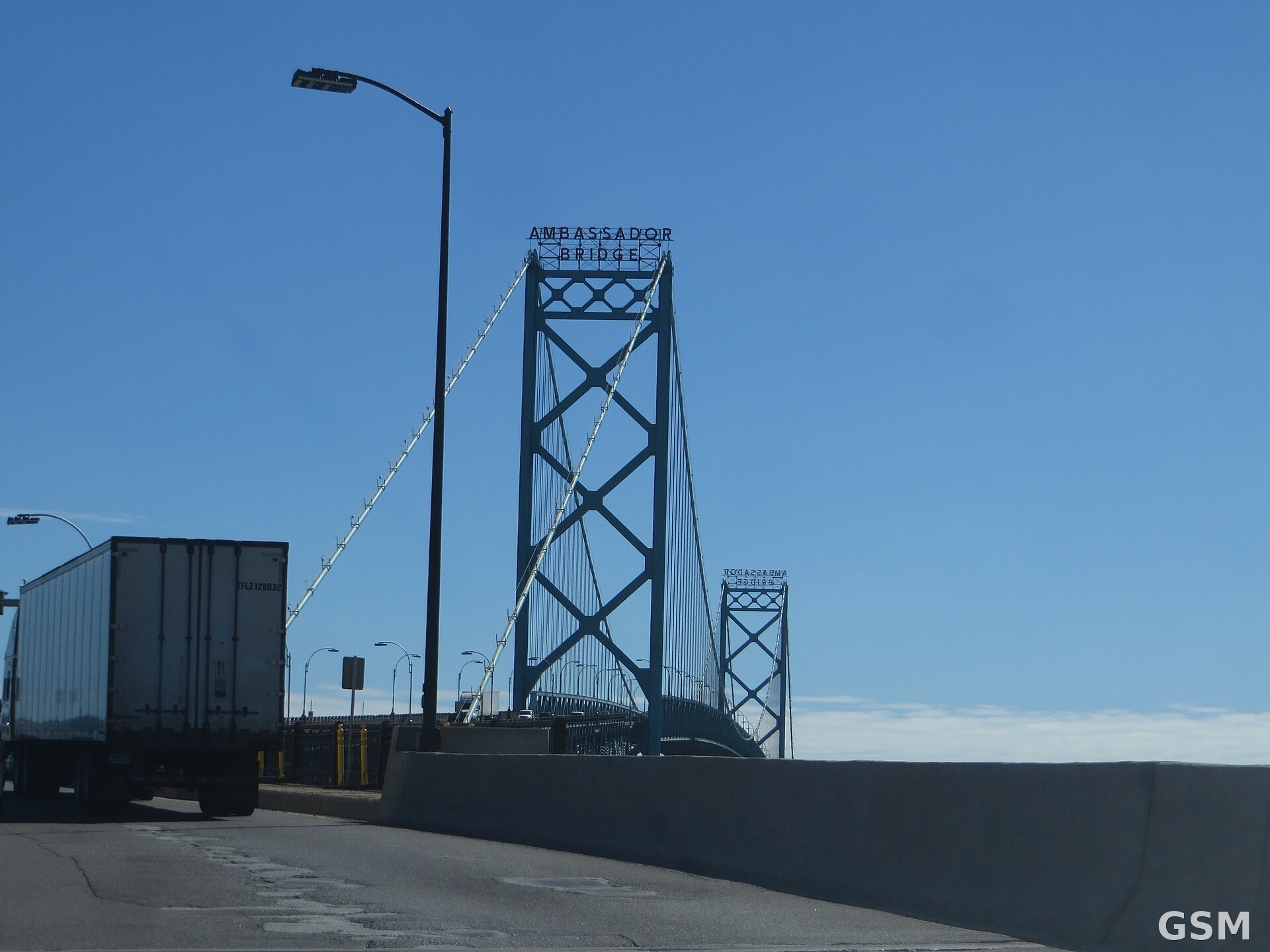
Photo: 图:连接美国密歇根州底特律与加拿大安大略省温莎的大使桥,货运卡车正驶上桥面;该桥是北美贸易量最大的国际陆路口岸(资料图)。(Ken Lund 摄,CC BY-SA 2.0,经 Wikimedia Commons) / Photo: A freight truck drives onto the Ambassador Bridge linking Detroit, Michigan, with Windsor, Ontario, Canada — the busiest international border crossing in North America by trade volume (file photo). (Ken Lund, CC BY-SA 2.0, via Wikimedia Commons)
- 2025-02-01Trump Signs Orders Imposing 25% Tariffs on Canada and Mexico, 10% on China
- 2025-02-03Trump Reaches Deals With Canada and Mexico: 25% Tariffs Paused for 30 Days
- 2025-03-06Trump Adjusts Canada and Mexico Tariffs: USMCA Duty-Free Goods No Longer Subject to Added RatesThis story
- 2025-03-26Trump Imposes 25% Tariff on Imported Automobiles and Certain Auto Parts Under Section 232