After Harvard Rejects Federal Demands, Government Freezes $2.2 Billion in Grants and $60 Million in Contracts
Harvard University, in Cambridge, Middlesex County, Massachusetts, publicly rejected a series of reform demands from the federal government on April 14, 2025. That evening, the federal Joint Task Force to Combat Anti-Semitism announced a freeze on $2.2 billion in multi-year grants and $60 million in multi-year contract value to Harvard.
In its statement, the task force said: "Harvard's statement today reinforces the troubling entitlement mindset that is endemic in our nation's most prestigious universities and colleges – that federal investment does not come with the responsibility to uphold civil rights laws." The statement added that the disruption of learning that has plagued campuses in recent years is unacceptable, that the harassment of Jewish students is intolerable, and that elite universities must take the problem seriously and commit to meaningful change if they wish to continue receiving taxpayer support.
Earlier that day, Harvard President Alan Garber announced in a message to members of the Harvard community, titled "The Promise of American Higher Education," that the university had informed the administration through its legal counsel that it would not accept the proposed agreement. Garber wrote: "No government — regardless of which party is in power — should dictate what private universities can teach, whom they can admit and hire, and which areas of study and inquiry they can pursue." He said the university would not surrender its independence or relinquish its constitutional rights.
Garber wrote that while some of the government's demands were aimed at combating antisemitism, the majority represented direct governmental regulation of the "intellectual conditions" at Harvard, including requirements to audit the viewpoints of students, faculty and staff and to reduce the power of certain students, faculty and administrators targeted because of their ideological views. He also said Harvard did not take lightly its moral duty to fight antisemitism and had taken substantial steps over the previous 15 months to address antisemitism on campus.
Harvard's outside counsel, William Burck and Robert Hur, wrote to the government the same day: "Neither Harvard nor any other private university can allow itself to be taken over by the federal government." Harvard accordingly declined the government's terms. Hours later, the task force announced the freeze.
The standoff had escalated over the preceding weeks. On March 31, the task force announced a review of $8.7 billion in federal grants to Harvard; on April 3, the government sent Harvard an initial list of demands; and late on April 11 it issued an updated and expanded list covering university governance, so-called merit-based reforms to admissions and hiring, viewpoint-diversity audits and the discontinuation of diversity, equity and inclusion programs, warning that Harvard must comply if it intended to maintain its financial relationship with the federal government.
Related: Appeals Court Weighs Trump's Bid to Revive Harvard Funding Freeze (Source: U.S. Department of Education)
Source: U.S. Department of Education
Published by GSM · USA (original Chinese edition)
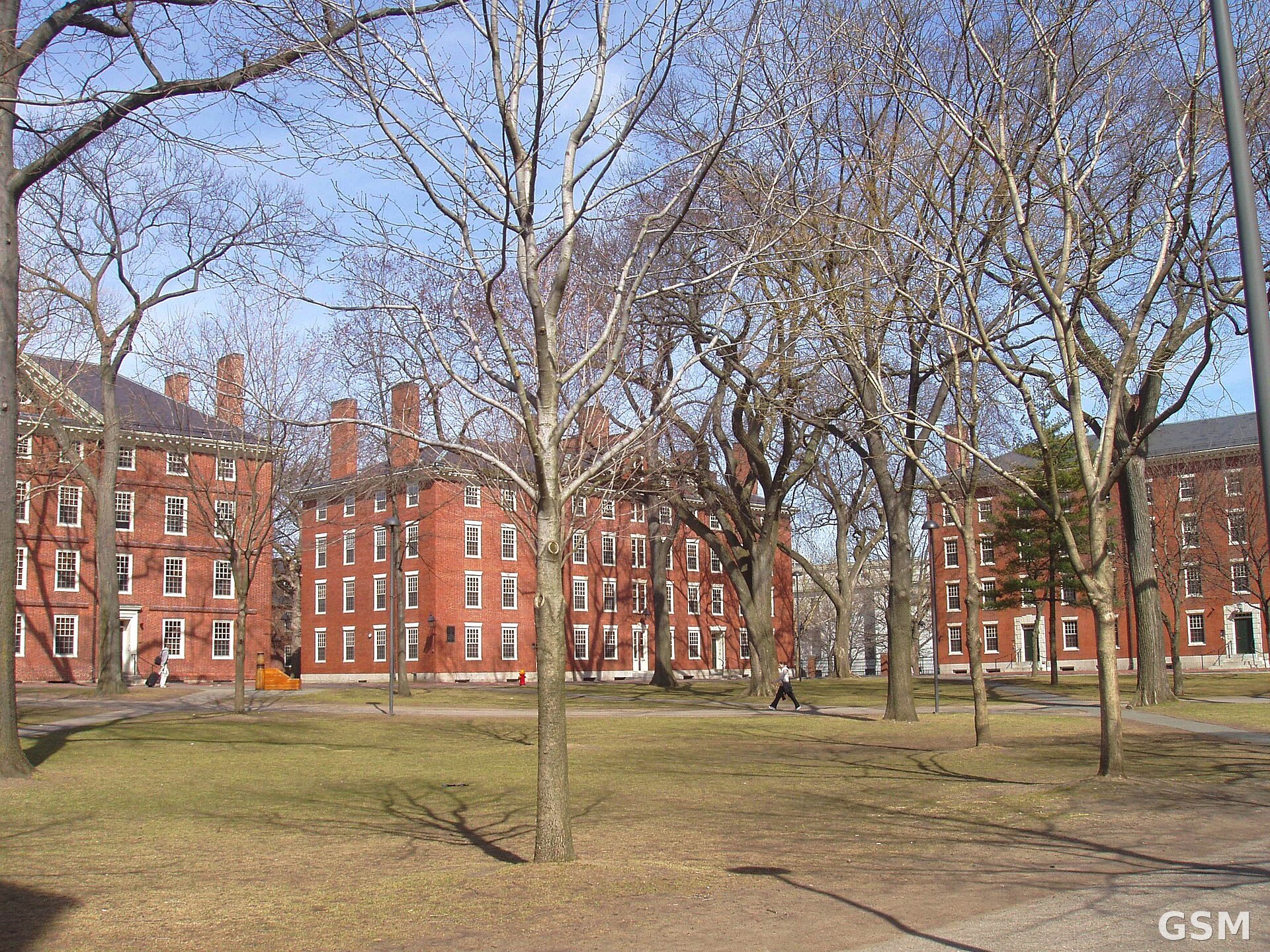
Photo: 图:位于马萨诸塞州剑桥市的哈佛园(哈佛大学校园,资料图,摄于3月31日)。图:Daderot,CC BY-SA 3.0,via Wikimedia Commons / Photo: Harvard Yard at Harvard University in Cambridge, Massachusetts (file photo, March 31). Photo: Daderot, CC BY-SA 3.0, via Wikimedia Commons
- 2025-04-14After Harvard Rejects Federal Demands, Government Freezes $2.2 Billion in Grants and $60 Million in ContractsThis story
- 2025-04-21Harvard Sues Trump Administration, Asking Court to Vacate $2.2 Billion Funding Freeze
- 2026-10-05Appeals Court Weighs Trump's Bid to Revive Harvard Funding Freeze