Harvard Sues Trump Administration, Asking Court to Vacate $2.2 Billion Funding Freeze
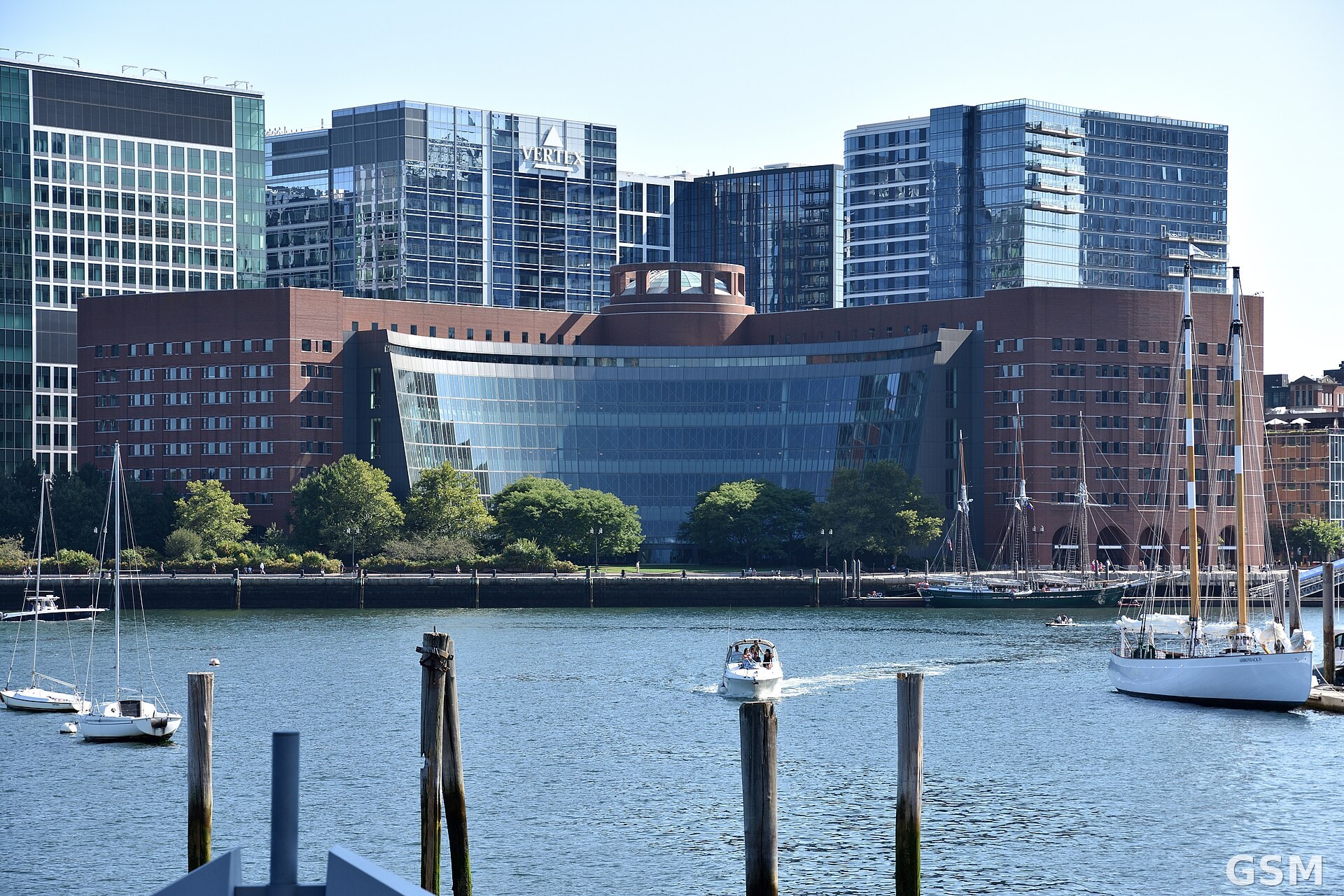
Harvard University, in Cambridge, Middlesex County, Massachusetts, sued the Trump administration on April 21, 2025, in the U.S. District Court for the District of Massachusetts in Boston, asking the court to vacate and set aside the federal funding freeze and restore more than $2.2 billion in research dollars. In its complaint, Harvard called the freeze unconstitutional and "flatly unlawful."
The plaintiff is the President and Fellows of Harvard College, the university's corporate body, and the defendants include the U.S. Department of Health and Human Services, the National Institutes of Health, the Department of Education, the Department of Justice, the National Science Foundation and other federal agencies and their heads, in Case No. 1:25-cv-11048. The 51-page complaint asks the court to declare the freeze unlawful and vacate it, and to bar the government from freezing current funding or denying future funding without following the procedures laid out in federal law.
In a message to the Harvard community that day, President Alan Garber said the suit was prompted by steps the government had taken over the previous week, after Harvard rejected demands for changes to its governance, hiring and admissions policies and to ensure "viewpoint diversity" in part through audits of the viewpoints of students, faculty and staff. Garber said the demands in the government's April 11 letter were intrusive and would impose "unprecedented and improper control over the University." "Moments ago, we filed a lawsuit to halt the funding freeze because it is unlawful and beyond the government's authority," he wrote.
The complaint makes three main arguments: the First Amendment protects free speech and bars the government from using funding as leverage to control what a private university teaches and whom it admits and hires; federal civil rights law prescribes a procedure for fund recipients suspected of civil rights violations — voluntary negotiations first, then an official hearing and findings, with funding terminable only 30 days after the findings — and the government's freeze-first approach skipped every step; and the freeze decision itself was "arbitrary and capricious." Garber said the law requires the government to engage with Harvard about how it is fighting antisemitism before taking punitive action: "Instead, the government's April 11 demands seek to control whom we hire and what we teach."
The complaint and the university's statements lay out a rapid escalation: the administration's multi-agency Task Force to Combat Antisemitism began inquiries in February; in late March the government announced a review of $8.7 billion in research grants to Harvard and its hospital affiliates; on April 3 it sent a list of conditions for continued funding; the April 11 letter greatly expanded them; and on April 14, hours after Harvard publicly refused, the government froze $2.2 billion in multi-year grants and $60 million in multi-year contract value. Garber said the administration had since said it was considering revoking Harvard's tax-exempt status and threatening the education of international students, and was considering freezing an additional $1 billion.
Garber warned that the freeze jeopardizes critical research on cancer, infectious disease and battlefield injuries, and will force hard decisions about living cell lines used to investigate disease and the jobs of researchers paid from federal grants. "The consequences of the government's overreach will be severe and long-lasting," he said. "Indiscriminately slashing medical, scientific, and technological research undermines the nation's ability to save American lives, foster American success, and maintain America's position as a global leader in innovation." He added that Harvard's work to fight antisemitism continues, and that two university task forces would soon release full reports. (Source: Harvard University)
Source: Harvard University
Published by GSM · USA (original Chinese edition)
Photo: 波士顿约翰·约瑟夫·莫克利美国联邦法院大楼(马萨诸塞联邦地区法院所在地)资料图(4300streetcar摄,CC BY 4.0,经Wikimedia Commons) | The John Joseph Moakley U.S. Courthouse in Boston, home of the U.S. District Court for the District of Massachusetts (photo: 4300streetcar, CC BY 4.0, via Wikimedia Commons)
- 2025-04-14After Harvard Rejects Federal Demands, Government Freezes $2.2 Billion in Grants and $60 Million in Contracts
- 2025-04-21Harvard Sues Trump Administration, Asking Court to Vacate $2.2 Billion Funding FreezeThis story
- 2026-10-05Appeals Court Weighs Trump's Bid to Revive Harvard Funding Freeze