Voting Day in Brazil: 125 Million Cast Ballots as Abstention Hits Its Highest Since 1998
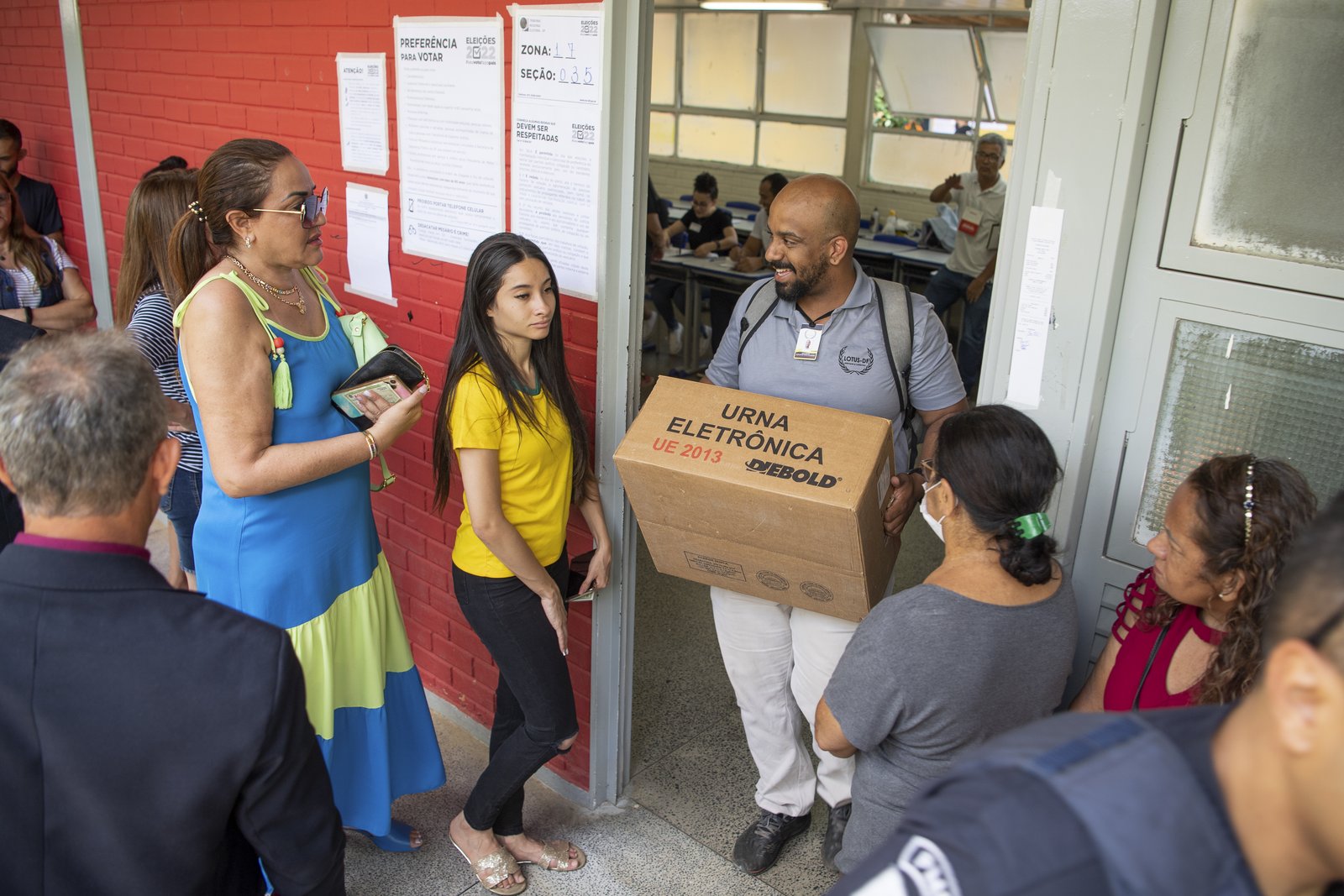
Brazil held its general election on Sunday, October 4. ANI, via Devdiscourse, reported that it was the largest election in the country's history, with about 158.7 million people eligible to vote between 8 a.m. and 5 p.m. Brasilia time for president, governors, senators, federal deputies and state deputies. Electronic voting was used nationwide, and nearly 89 percent of registered voters had biometric records on file.
The count was settled the same night, but turnout became a story in itself. A post-election analysis published by Stanford's Freeman Spogli Institute for International Studies found that about 125 million Brazilians voted while roughly 33 million stayed home — the highest abstention level since 1998. Voting is mandatory for most Brazilian adults, so abstention on this scale was read by analysts as a signal of deep voter dissatisfaction.
The presidential contest pitted the 80-year-old Lula, seeking a fourth term, against 45-year-old Senator Flavio Bolsonaro of the Liberal Party. Bolsonaro cast his vote in Rio de Janeiro saying he wanted to free the Brazilian people and expressing confidence in a first-round win; Lula campaigned on continuing his social programmes against inequality, while Bolsonaro ran on a tough line on crime and closer cooperation with the United States.
With neither candidate winning a majority of valid votes, election night confirmed a runoff on October 25, with detailed results published by the Superior Electoral Court. The vote was also watched as a test of Brazilian democracy's health after the January 2023 attacks on Congress put the country's institutional resilience in the international spotlight.
Published by GSM · USA (original Chinese edition)
Photo: 图:巴西大选投票日,工作人员将电子投票机送入投票站(2022年第二轮投票资料图)。摄影:Senado Federal,CC BY 2.0,来源:Wikimedia Commons