SEC Closes Climate Action 100+ Investigation Without Enforcement, Warns Coordinated Voting Could Form a Group
The U.S. Securities and Exchange Commission (SEC) on October 7 issued a report of investigation under Section 21(a) announcing the end of its investigation into certain members of Climate Action 100+ (CA100). The investigation concerned the election of dissident directors at ExxonMobil Corporation's May 2021 annual meeting. The Commission determined not to pursue an enforcement action based on the conduct and activities known to it at this time, but said it has serious concerns about the conduct of CA100 members and other participants.
The report followed an investigation by the SEC's Division of Enforcement, in consultation with the Division of Corporation Finance. It examined whether certain CA100 members may have violated the Securities Exchange Act of 1934 in connection with the 2021 election. The report said that if members used the organization as a means of coordinating their votes to influence the outcome of a contested director election, they would have formed a group under Sections 13(d)(3) and 13(g)(3) of the Exchange Act, and because the beneficial ownership attributed to that group would have exceeded five percent of ExxonMobil's publicly traded stock, the group would have been subject to the beneficial ownership reporting framework.
The report said the agreement, arrangement, understanding or concerted action underlying the formation of a group may be implied, and that coordinated engagement practices, even when undertaken through an intermediary, may implicate that framework. Shareholders' denials of the existence of a group are not conclusive. Beneficial owners who do not wish to be part of a group should proactively ensure that policies aimed at avoiding group formation are adequately enforced. Membership in an organization whose stated purpose is to change or influence control of a specific issuer, including by promoting the election of dissident directors, could be a factor in the loss of eligibility to report on Schedule 13G instead of Schedule 13D, the report said.
The investigation considered evidence concerning BlackRock, Inc., State Street Corporation and The Vanguard Group, including communications by BlackRock and State Street, after they became CA100 members, regarding ExxonMobil with Ceres, a Boston-based non-profit that serves as the North American investor network supporting CA100. The report also said Vanguard never became a member of CA100, and the investigation did not develop evidence that BlackRock or State Street agreed to vote proxies in certain manners or shared their proxy voting intentions with investors or others associated with CA100.
The Commission said it issued the Section 21(a) report to inform asset managers and investors who would join, or would consider joining, an organization such as CA100 to take appropriate steps to ensure compliance with the Exchange Act. The report does not constitute an adjudication of any fact or issue addressed in it, nor does it make findings of violations by any individual or entity. The facts discussed are based on the public record or on documentary records or testimony obtained during the investigation.
(Source: U.S. Securities and Exchange Commission)
Source: U.S. Securities and Exchange Commission
Published by GSM · USA (original Chinese edition)
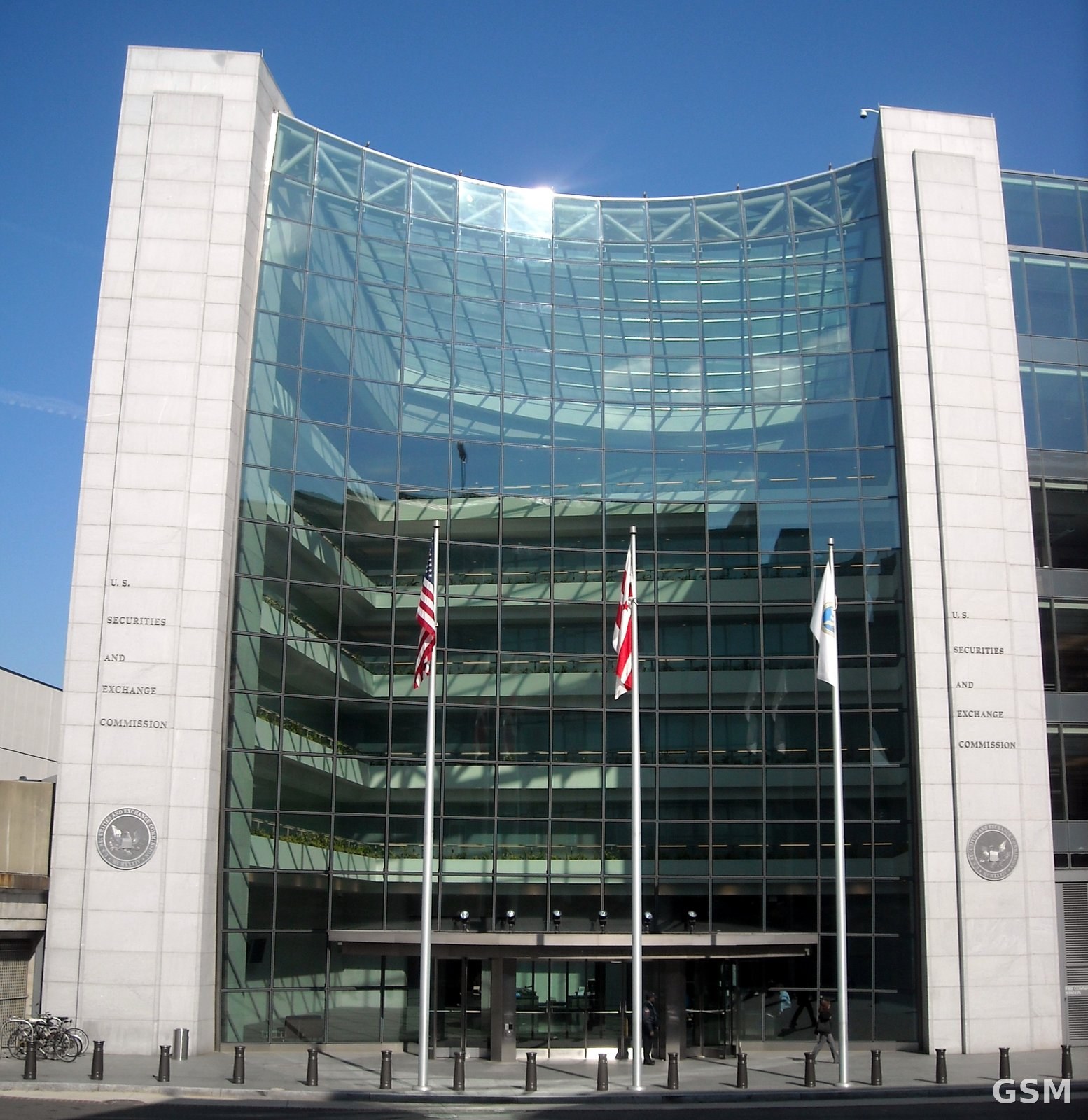
Photo: 图:美国证券交易委员会总部大楼。Wikimedia Commons,CC BY-SA 3.0,经联邦核心固定图库。 / Photo: Headquarters of the U.S. Securities and Exchange Commission. Via Wikimedia Commons, CC BY-SA 3.0, from the federal core asset pack.