U.S. Fighter Jet Disables Cargo Ship Running the Iran Blockade in the Gulf of Oman; Panama-Flagged Ocean Molica Loses Propulsion, Crew Unharmed
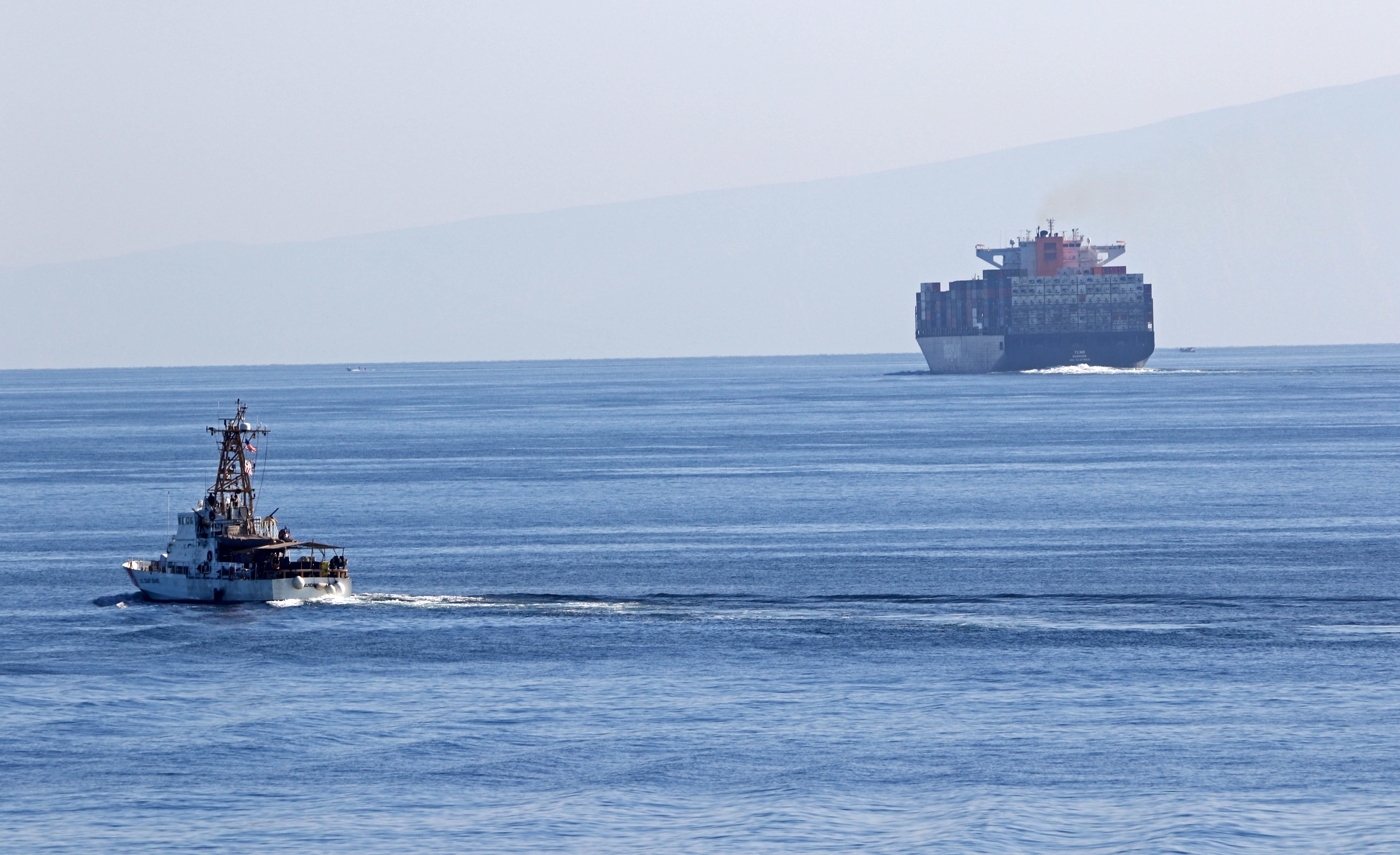
Enforcement of the U.S. naval blockade against Iran escalated into open use of air power on Saturday, Oct. 10. U.S. Central Command said on X that a U.S. military fighter jet struck the stern of the Panama-flagged bulk carrier M/V Ocean Molica (also known as the "Arika Sun") with a precision munition in the Gulf of Oman, fully disabling the ship's propulsion without harming the crew, after the crew ignored warnings and attempted to run the blockade. CENTCOM said the vessel had previously left an Iranian port and was attempting to transit regional waters. Reuters said it was not immediately able to reach the ship's operator for comment.
CENTCOM also warned mariners in the Gulf of Oman and the approaches to the Strait of Hormuz to heed blockade warnings, monitor notice-to-mariners broadcasts and contact U.S. naval forces. In its statement, the command said U.S. forces resumed the blockade of all ships entering or departing Iranian ports on July 14 and, over roughly three months of enforcement, have disabled four commercial vessels, turned around 135 others, and destroyed 10 tankers linked to the Islamic Revolutionary Guard Corps' shadow network — a pattern of warning first, then disabling propulsion without boarding or injuring crews.
The timing matters for energy markets: Reuters noted that tanker attacks last week reached their highest level since the U.S. and Israel launched the war on Iran in February, and that the number of vessels transiting the Strait of Hormuz has fallen to its lowest in more than two months, supporting crude prices. Before the war, the strait carried about 20% of the world's oil consumption. For readers, this line connects directly to this week's oil and diesel price swings: the tougher the blockade enforcement and the fewer vessels transiting the strait, the harder it is for the energy market's risk premium to fall.
What to watch next: the fate of the disabled vessel and the shipowner's response, whether Iran issues a statement or retaliates, and whether blockade enforcement further normalizes into a "warn-then-disable" pattern. This is one of several fronts where Middle East tensions escalated this week — GSM has reported today's Houthi missile strike on Riyadh airport, Trump's remarks about possible U.S. involvement in strikes on the Houthis, and suspected Iranian nuclear facility restarts; the Gulf of Oman strike shows maritime pressure on Iran itself is also intensifying.
Published by GSM · USA (original Chinese edition)
Photo: 美国海岸警卫队作品,公有领域(Wikimedia Commons)