As Tropical Storm Rachel Nears SoCal: FEMA's Official Preparedness Guide — 72-Hour Kits, Sandbags, Alert Channels
Tropical Storm Rachel is bearing down on Southern California. The National Weather Service (NWS) office in San Diego issued a Tropical Storm Watch for San Diego County on October 9, covering the county's coast, inland valleys, mountains and deserts — only the second such watch in the county's history, after Hurricane Hilary in 2023. The NWS Weather Prediction Center has placed parts of Southern California under a Moderate Risk (level 3 of 4) of excessive rainfall from Saturday night into Sunday. The National Hurricane Center (NHC) expects Rachel and its associated moisture to bring 1 to 3 inches of rain to the U.S. Southwest, with localized totals up to 5 inches; peak rainfall rates in the San Diego County mountains could reach 0.5 to 1 inch per hour.
Storm news covers what is happening; preparedness guidance covers what to do. The Federal Emergency Management Agency's Ready.gov hurricane and tropical storm guidance divides preparation into three phases — before, during and after the storm — with one core message: prepare early, not when the storm is at the door.
Before the storm, Ready.gov urges every household to make a family emergency communication plan and assemble an emergency supply kit sufficient for at least 72 hours. The official checklist includes: water — one gallon per person per day for several days, for both drinking and sanitation; a several-day supply of non-perishable food; a battery-powered or hand-crank radio, preferably an NOAA Weather Radio with tone alert; a flashlight and extra batteries; a first aid kit; a whistle to signal for help; cell phone chargers and a backup battery; extra cash — ATMs and card machines may not work during extended power outages; copies of important documents; and pet supplies. FEMA also advises residents to learn their community's evacuation plan and routes, sign up for local alerts, and check insurance coverage — standard homeowners insurance does not cover flood damage (see FloodSmart.gov).
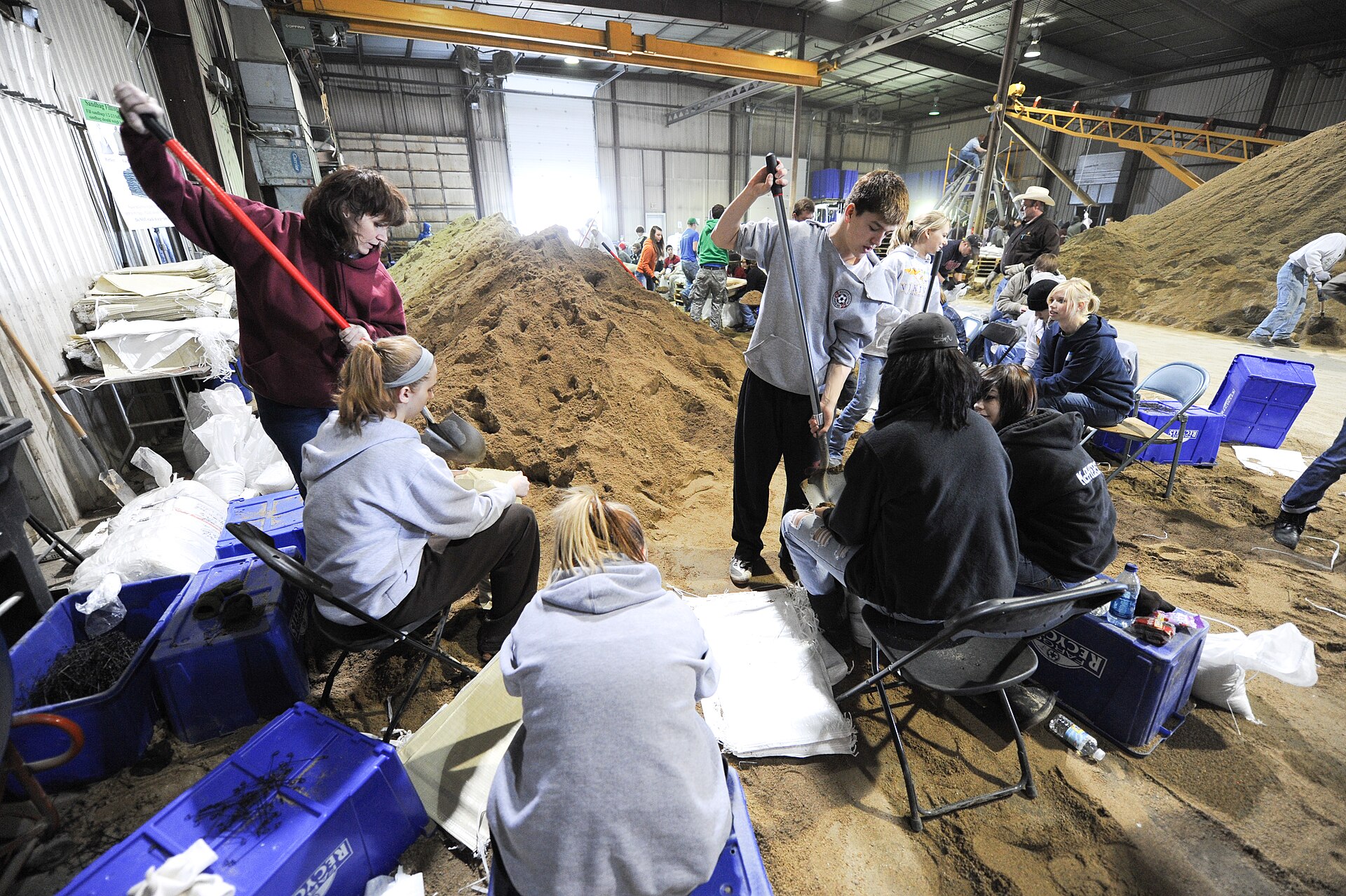
To harden the home, NWS hurricane preparation guidance recommends: bringing inside outdoor items that could blow around, such as bikes, lawn furniture, grills and propane tanks; using sandbags where needed to secure property and block floodwater — check with the local fire department for sandbag distribution points; clearing clogged gutters and downspouts; moving valuables to higher levels; filling bathtubs and large containers with water for sanitary use; fueling vehicles; and fully charging electronic devices.
During the storm, the official guidance is: stay indoors and away from windows; avoid unnecessary travel. The NWS mantra is "Turn Around, Don't Drown" — never walk or drive through flooded roadways. Flooding is among the deadliest hazards of hurricanes and tropical storms.
After the storm, watch for downed power lines and report them to the utility company; if using a generator, operate it outdoors only, away from windows and doors, to prevent carbon monoxide poisoning; and check on neighbors, especially older adults living alone and those who may need help.
For alerts: weather.gov and the National Hurricane Center carry authoritative forecasts; the FEMA mobile app can save up to five locations and push NWS and IPAWS emergency alerts, and can look up nearby shelters and disaster recovery centers. Ready.gov stresses: always follow instructions from local officials, and evacuate when told to do so. The full guidance is at ready.gov/hurricanes (Spanish: listo.gov/huracanes)).
The Pacific hurricane season begins May 15 and the Atlantic season runs through November 30. A tropical storm watch is an exceptionally rare event for San Diego — preparing a day early beats lining up at the store the day the storm arrives.
Published by GSM · USA (original Chinese edition)
Photo: 志愿者在沙袋中心装填沙袋防洪,FEMA 官方照片,公有领域(Wikimedia Commons,Michael Rieger/FEMA 摄)