Korea's Hoeamsa Temple Site Clears Key Hurdle in UNESCO Bid (First Report)
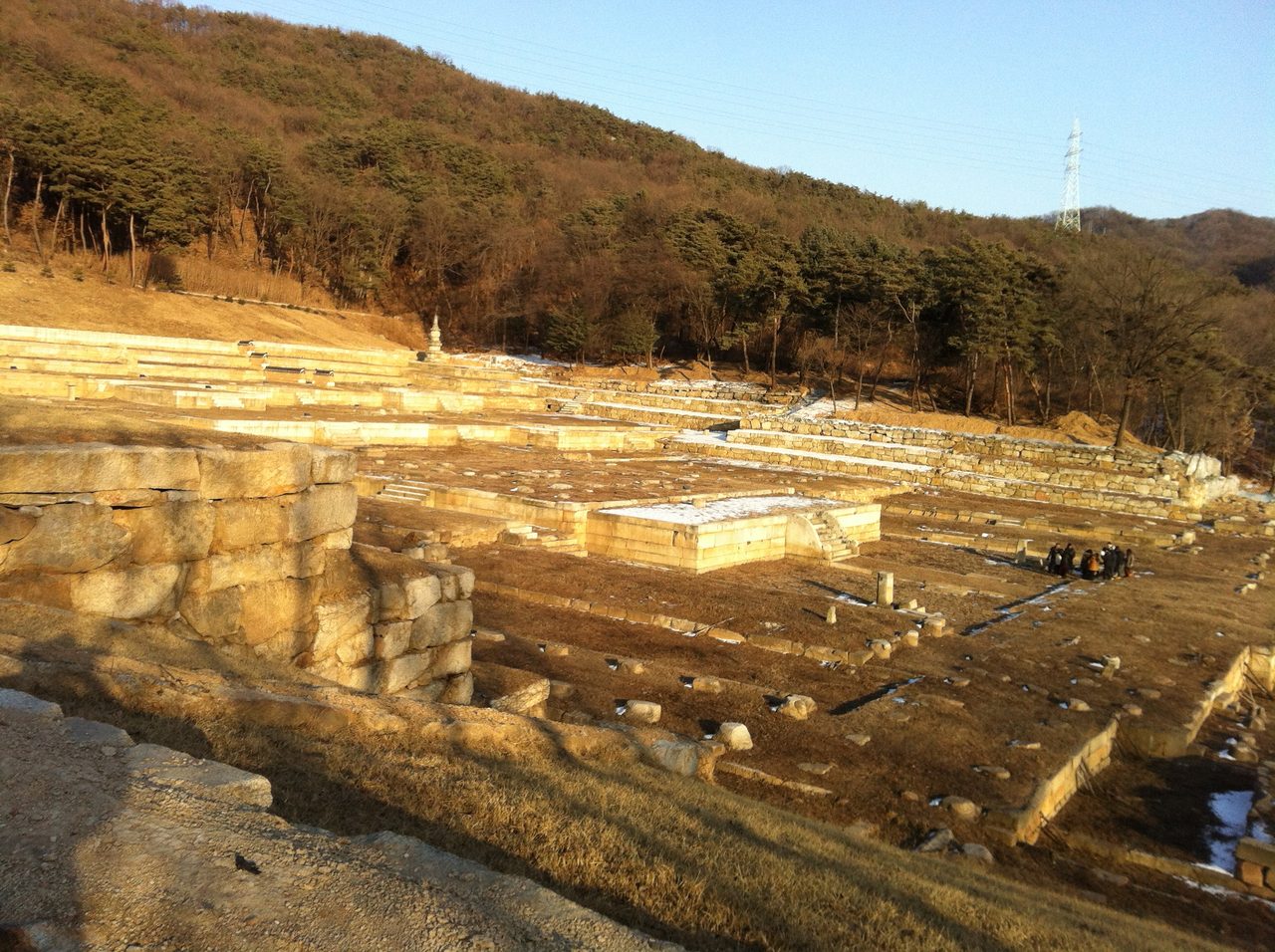
The city of Yangju in Gyeonggi Province, South Korea, announced Oct. 12 that the Hoeamsa Temple Site has cleared a major hurdle in its bid for UNESCO World Heritage inscription: the International Council on Monuments and Sites (ICOMOS), UNESCO's official advisory body, has delivered an overall assessment recognizing the site's strong potential for listing.
According to the Seoul Economic Daily's English edition on Oct. 12, Yangju said it had submitted a nomination titled 'Hoeamsa Temple Site: An Archaeological Site Representative of 14th-Century East Asian Seon Buddhist Monasteries' to the UNESCO World Heritage Centre for preliminary assessment. The preliminary assessment is a procedure UNESCO introduced to raise nomination success rates, requiring consultations with international advisory bodies from the earliest stages of preparation and rigorous verification of outstanding universal value, integrity and authenticity. Yangju said the roughly yearlong documentary review had affirmed the site's value as a World Heritage property.
In its assessment, ICOMOS found Hoeamsa likely to meet criterion (ii), concerning the interchange of architectural, technological and artistic culture, and criterion (iii), concerning evidence of a distinctive cultural tradition or civilization. The body also offered recommendations, including expanding the property's boundaries to encompass the surrounding landscape and elaborating the detailed descriptions of the listing criteria.
The Hoeamsa Temple Site is a 14th-century Korean Seon (Zen) Buddhist monastery site. According to UNESCO World Heritage Volunteers project documents, the temple was reconstructed between 1374 and 1376 according to Cheonggyu, or Pure Regulations, monastic principles. Excavations from 1997 to 2019 confirmed 70 building sites arranged on eight ascending terraces along a central axis of gates, halls, meditation spaces and monastic facilities. The property covers 5.578 hectares with a 73.1-hectare buffer zone and includes nine commemorative monuments linked to the monks Jigong, Naong and Muhak. Ondol heated floors and a sophisticated drainage structure are considered evidence of advanced architectural know-how of the era. The site was placed on South Korea's UNESCO Tentative List in 2022.
A UNESCO World Heritage Volunteers project is currently underway at the site (Oct. 1-12), themed on the living heritage of Hoeamsa and royal rituals. Yangju said it will refine its nomination materials based on ICOMOS's recommendations and press ahead with the formal inscription process. If successful, Hoeamsa would become another cultural tourism calling card for South Korea.
Published by GSM · USA (original Chinese edition)
Photo: 韩国 Yangju 会岩寺遗址实景,CC BY-SA 3.0(Wikimedia Commons,摄影:Jjw)