Before Central Asia Trip, Rubio Fields Questions on Starshield, the Russia Sanctions Waiver and the Horn of Africa
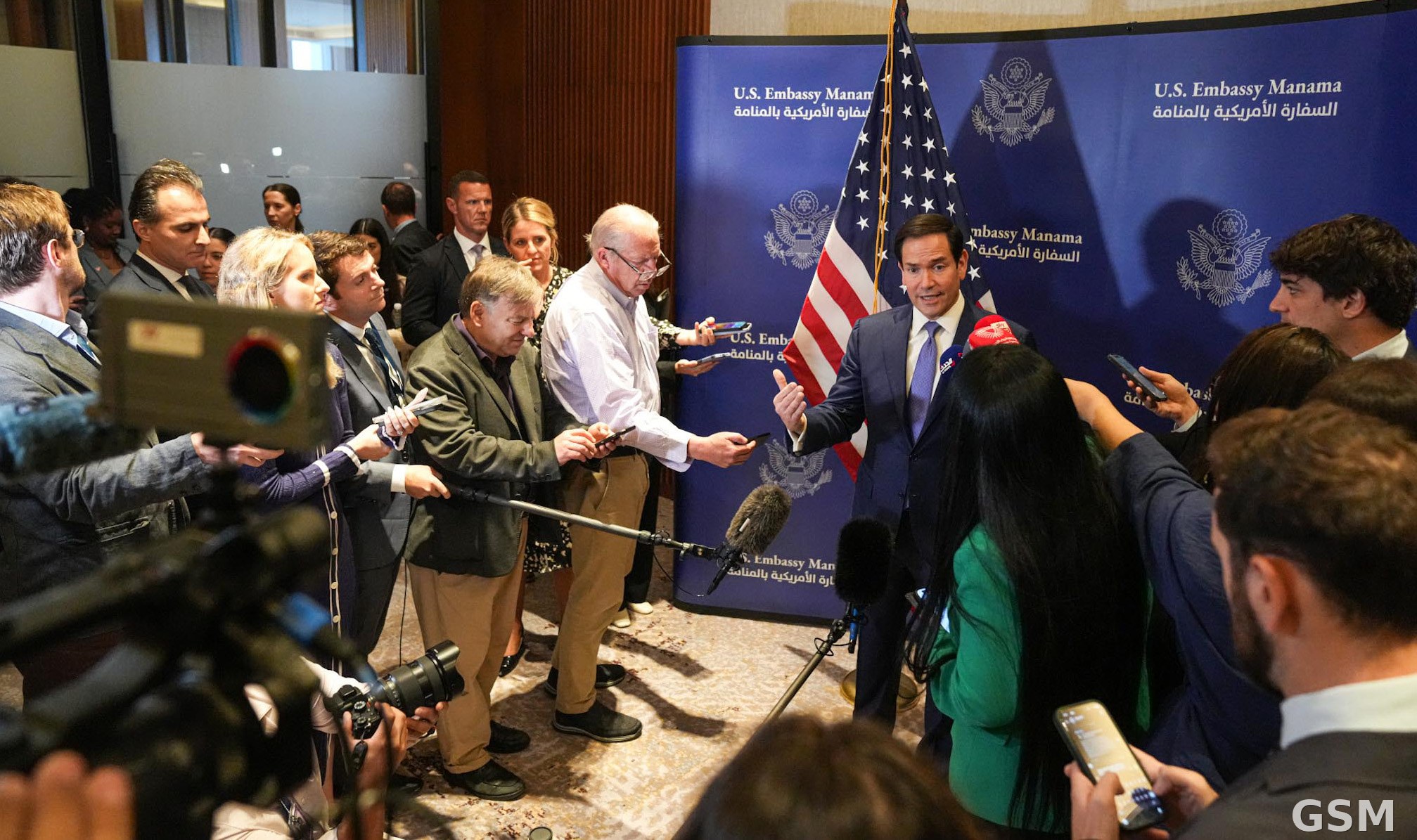
Secretary of State Marco Rubio took questions from reporters at Joint Base Andrews on October 17 before departing for Uzbekistan and India, addressing Ukraine's satellite communications, the waiver of Russia sanctions, West Bank violence and tensions in the Horn of Africa. Rubio is leading a delegation of more than 200 U.S. business leaders on the October 17–22 trip; on Monday, October 19, he will join the foreign ministers of Kazakhstan, the Kyrgyz Republic, Tajikistan, Turkmenistan and Uzbekistan in Samarkand for a C5+1 ministerial meeting, before continuing to Mumbai and Jamnagar in India.
Asked about reported restrictions on the satellite network used by Ukrainian drones, Rubio denied that the White House had ordered any slowdown: "No one at the White House ordered anyone to slow down internet or slow down speed so that certain drones couldn't use it." He said the disruption "sort of happened, but my understanding is it's been restored. It's back to where it was before." He also distinguished the two systems: "Starlink is a commercial product. Starshield is a defense product, a military product." Rubio confirmed that Ukraine has formally asked for access to Starshield in order to conduct deep strikes inside Russia, that Kyiv does not have access at this moment, and that discussions are ongoing. Ukrainian President Volodymyr Zelenskyy has said the restrictions on Ukraine's satellite links appeared deliberate rather than technical.
On President Trump's decision to waive Russia-related sanctions duties, Rubio called it a 60-day pause: "The president wants to take the 60-day period of time to sort of analyse what imposing both sanctions and tariffs will mean to the global economy and even to the US economy." He said the measures involve a number of countries, not just Russia, and that other countries' equities have to be weighed; with energy prices high and the Iran war ongoing, "we need that period of time to sort of study all this and figure out what the right combination is." The waiver was announced earlier this week, days after a U.S.–Russia diesel supply arrangement.
On the West Bank, Rubio reiterated that the United States was deeply troubled by the footage of Washington Post photographer Heidi Levine and others being attacked by settlers, and that Washington has demanded Israel crack down on such violence (reported by GSM earlier today).
On rising tensions between Eritrea and Ethiopia, Rubio said the United States is pressing for de-escalation. In a call earlier this week with Ethiopian Prime Minister Abiy Ahmed, he stressed that all countries in the Horn of Africa must respect the sovereignty and territorial integrity of their neighbors and avoid cross-border incursions. Renewed fighting in Ethiopia's northern Tigray region has raised fears of a new war between the two countries. (GSM, compiled from the State Department's October 17 press remarks and public reporting.)
Source: GSM · USA (original Chinese edition)
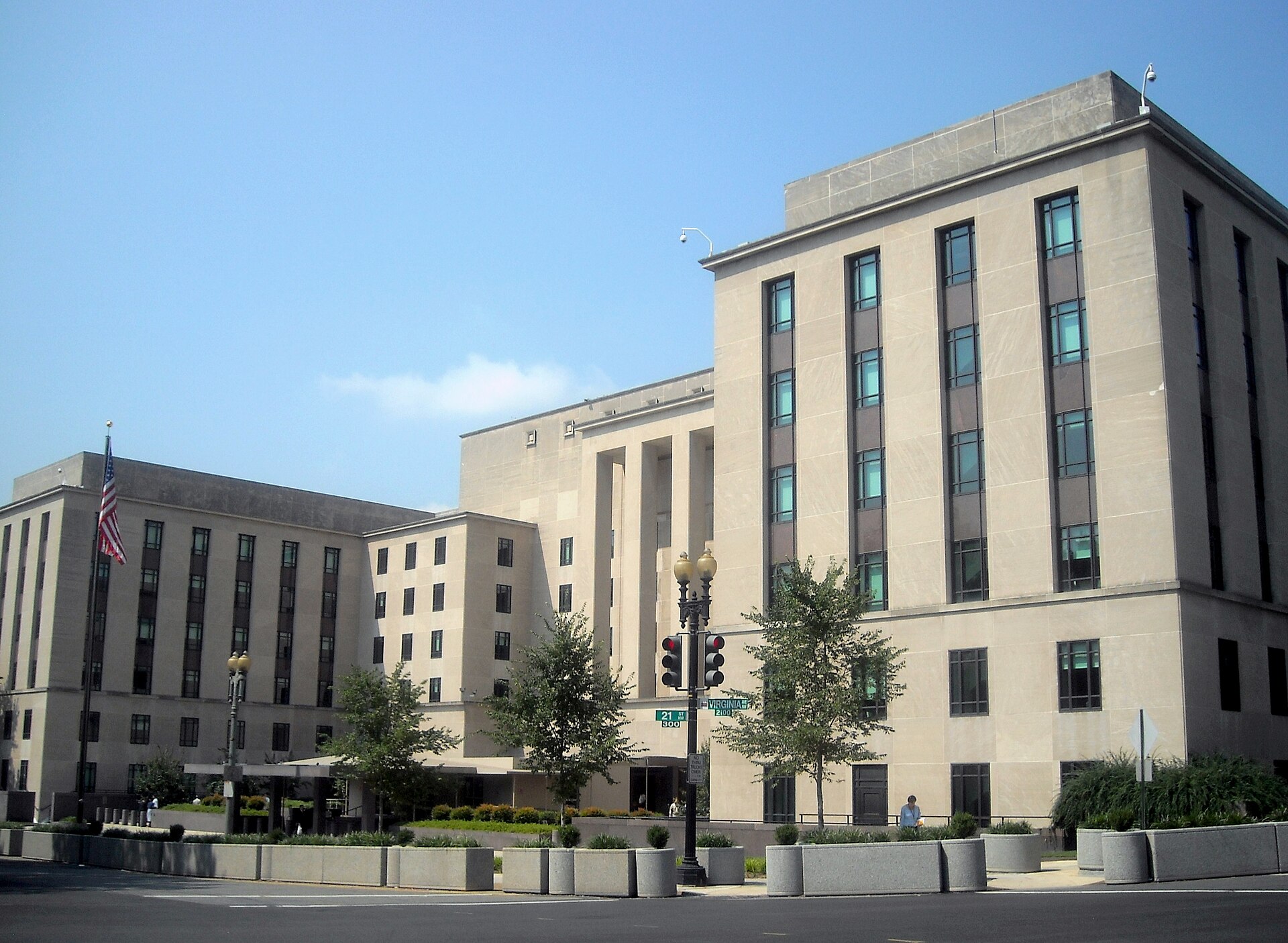
Photo: 图:美国国务院总部 Harry S. Truman Building(华盛顿)。资料图,来源:Wikimedia Commons,作者 AgnosticPreachersKid,CC BY-SA 3.0。The Harry S. Truman Building, headquarters of the U.S. Department of State in Washington. File photo via Wikimedia Commons by AgnosticPreachersKid, CC BY-SA 3.0.
- 2026-10-16Trump Signs Order Waiving Graham Act Duties and Most of Its Sanctions Provisions
- 2026-10-17Follow-Up: Zelenskyy Calls U.S. Move to Shelve New Russia Sanctions 'Unfortunate,' Urges Supporters to Speak Up for the Graham Act
- 2026-10-17Before Central Asia Trip, Rubio Fields Questions on Starshield, the Russia Sanctions Waiver and the Horn of AfricaThis story
- 2026-10-17Republican Lawmakers Slam Trump's Waiver of Graham Act Russia Sanctions; White House Says Enforcing Them Would Impede Russia-Ukraine Peace Efforts
- 2026-10-18Trump Says Final Decision on Russia Sanctions Waiver Is Not Yet Announced as Rubio Cites Review of Up to 60 Days