Minneapolis Advances First Data Center Zoning Rules: Server Space Cap Cut to 50,000 Square Feet, Downtown Districts Only
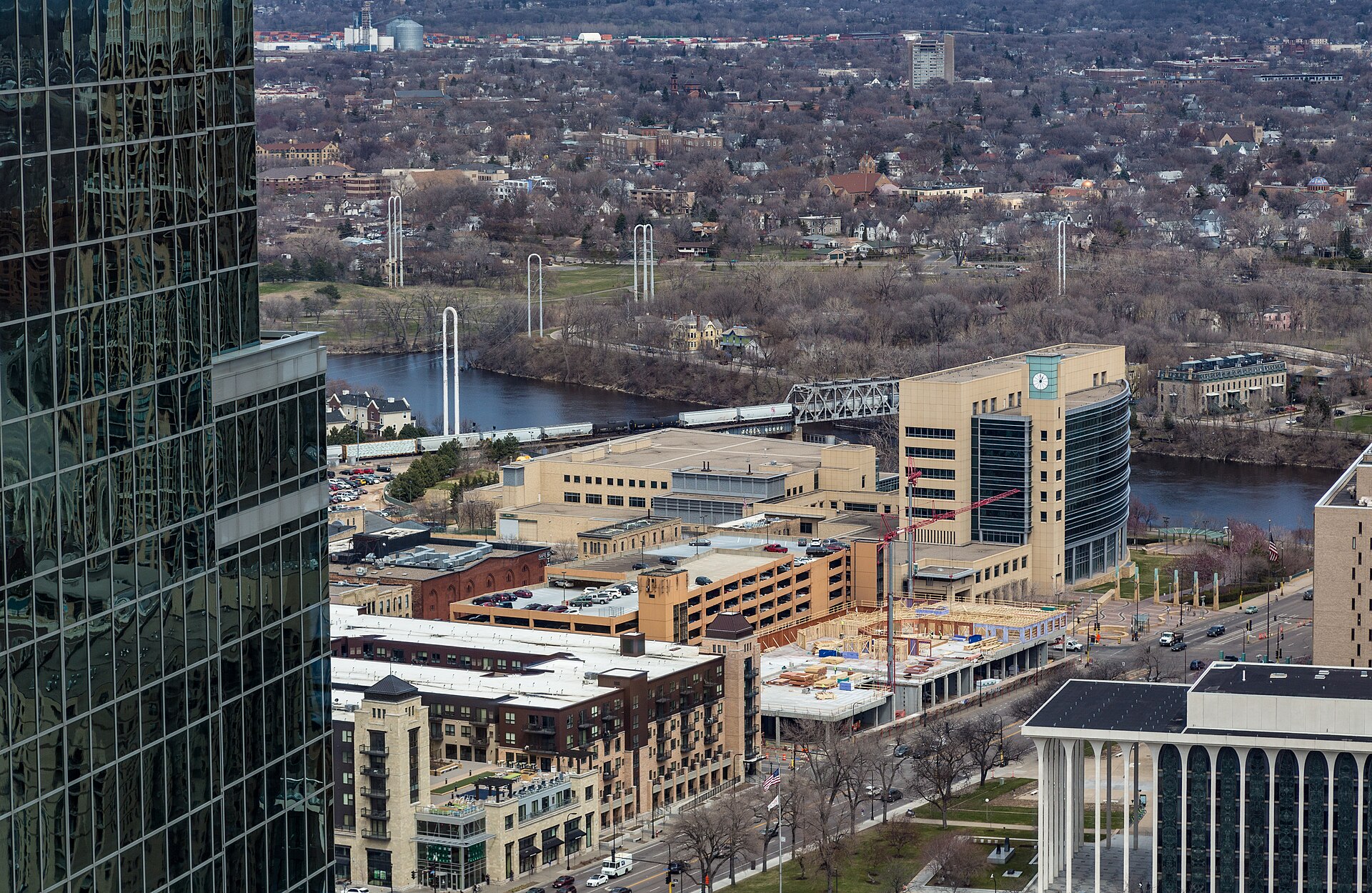
Minneapolis, in Hennepin County, Minnesota: The City Planning Commission on the evening of October 13 advanced the city's first zoning ordinance drafted specifically for modern data centers, confining new facilities to two downtown districts and sharply cutting the size cap. The proposal still needs City Council action: the council's Business, Housing and Zoning Committee is scheduled to take it up on November 6 and the full council on November 12, while the city's temporary moratorium on certain new data center projects expires on November 21.
The current zoning framework does not separately classify data centers, instead generally treating them as communication exchanges that can be considered in numerous districts, with no standards addressing electricity consumption, cooling systems or backup generators. The draft would create a distinct data center classification: new facilities would be allowed only in downtown districts DT1 and DT2, which together account for less than 4 percent of the city's land area, and only through a conditional use permit with a public hearing before the Planning Commission, whose decisions could be appealed to the City Council. It would also prohibit constructing an entirely new building solely for a data center, generally requiring reuse of existing buildings. City officials told the hearing that roughly 8 million square feet of downtown space, about 30 percent of the inventory cited, was vacant.
On size, city staff had proposed allowing up to 175,000 square feet of server and related equipment space, known in the industry as white space. An amendment by Planning Commissioner Jason Garcia cut that maximum to 50,000 square feet, a reduction of about 71 percent; some speakers urged a still lower ceiling of 25,000 square feet. Another amendment, by Planning Commissioner Angela Conley, introduced overlay zoning review. Design rules in the draft would require server rooms to sit at least 20 feet from exterior building walls and at least 100 feet from the exterior walls of neighboring homes, bar server rooms and mechanical equipment from the first and second floors in the downtown districts, and generally require mechanical equipment to be inside the building or on the roof.
Applicants would also have to disclose expected electricity and water use, provide information about backup generators, submit noise-reduction plans and show written evidence of coordination with their electricity provider, though the disclosure duties are not enforceable caps on consumption. Roughly 40 people addressed the commission, most opposing large-scale data centers in the city, raising electricity demand, water use and neighborhood impacts, and some urged extending the moratorium instead. The City Council adopted the temporary moratorium in May; it took effect May 21 and expires November 21. The Planning Commission's action is a recommendation in the legislative process, and the zoning changes become law only if the City Council adopts them. (GSM, based on MinneapoliMedia's report of the October 13 hearing and city zoning materials)
Source: GSM · USA (original Chinese edition)
Photo: 图:从 Wells Fargo 中心望向 Minneapolis 市中心与东北区,密西西比河穿城而过;拟议规则把新数据中心限定在市中心两区。摄影:Tony Webster,CC BY-SA 2.0,来源:Wikimedia Commons。Photo: Downtown and Northeast Minneapolis across the Mississippi River, seen from the Wells Fargo Center; proposed rules would confine new data centers to two downtown districts. By Tony Webster, CC BY-SA 2.0, via Wikimedia Commons.