FDA Draft Guidance: Food Traceability Enforcement Relief Proposed for Small Restaurants and Retailers With Sales Up to $1 Million
The U.S. Food and Drug Administration (FDA) on October 8 issued a draft guidance addressing the small-business exemption under the Food Traceability Rule for retail food establishments and restaurants. The guidance was announced in a Federal Register notice published on October 9, with public comments due by November 23 under docket FDA-2025-D-6952. Under the existing rule, retail food establishments and restaurants with average annual food sales of no more than $250,000 over the prior three years, calculated on a rolling basis and adjusted for inflation using 2020 as the baseline year, are fully exempt from the rule's additional recordkeeping requirements. Under the draft guidance, the FDA intends to exercise enforcement discretion for all requirements of the Food Traceability Rule for establishments with average annual food sales of more than $250,000 but no more than $1,000,000. The agency said retailers and restaurants at or below $1 million in sales account for roughly half of all such establishments but only about 6 percent of total sales, so the flexibility would maintain the rule's intended public health benefits while providing relief to numerous smaller businesses, many of them immigrant- and Chinese-owned shops and restaurants across the United States. The Food Traceability Rule was mandated by the Food Safety Modernization Act, signed on January 4, 2011, and the FDA issued the final rule in 2022. It requires entities that manufacture, process, pack or hold foods on the FDA's Food Traceability List to keep additional records, including traceability lot codes and other key data elements, so contaminated food can be traced faster during foodborne-illness outbreaks. Congress has barred enforcement of the rule before July 20, 2028. The FDA will also hold a public meeting on November 6 on implementation challenges and possible additional flexibilities for lot-level traceability, covering topics such as distributor traceability lot code ranges, key data elements for individual items, returns and reclamations, food waste recovery and intracompany shipments. The meeting is free and open to the public, with registration required, and comments to the meeting docket are open through December 6. The FDA said the proposal responds to compliance challenges that small retailers and restaurants brought to the agency after the final rule was issued in 2022, with stakeholders telling the agency that such businesses struggle to stay in business, can employ only a very small staff, and often lack money for training, technology or new hires. The agency said it plans to keep the enforcement-discretion policy in place while it studies the challenges these firms face. As a draft guidance, the document states the FDA's current thinking, does not establish any rights for any person, and is not binding on the FDA or the public. The proposed relief applies only to retail food establishments and restaurants; farms, manufacturers, processors and distributors are not covered and must still prepare to comply with the rule.
Published by GSM · USA (original Chinese edition)
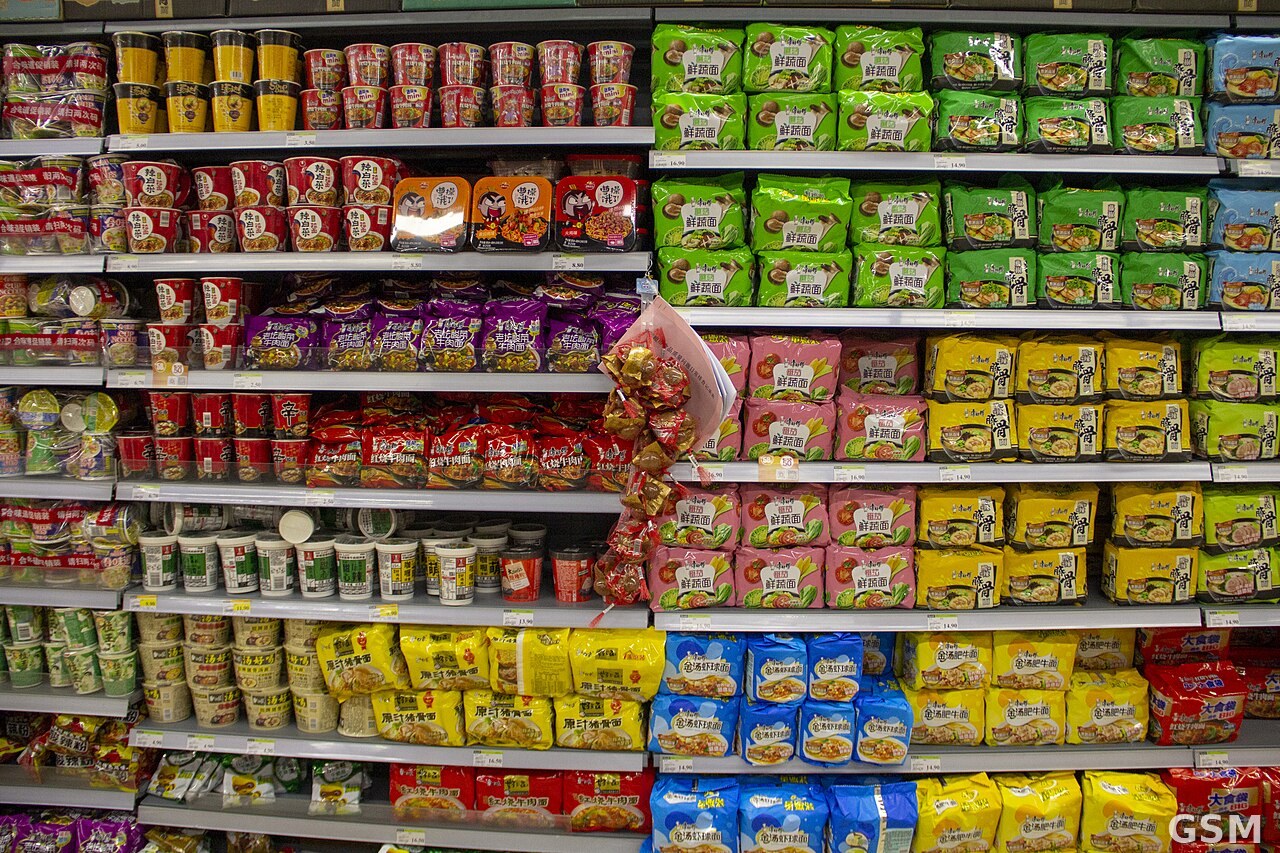
Photo: 图:超市货架上陈列的包装食品,这类标有批次信息的食品正是食品追溯规则要求保存来源记录的对象(资料图)。Photo: Packaged foods on a supermarket shelf; lot-coded packaged foods are among the products subject to food traceability recordkeeping (file photo). 图源:維基小霸王/Wikimedia Commons,CC BY-SA授权。