On This Day: Major World Events of October 23
October 23 has left its mark on history in different years and different countries. GSM's On This Day column has verified each item below against authoritative sources and reports the facts only, from the first use of an aircraft for wartime reconnaissance in 1911, to two pivotal Second World War battles in 1942 and 1944, to Frost's Descent, a traditional Chinese solar term, in 2026.
1911, Italy and Libya: During the Italo-Turkish War, Italian pilot Captain Carlo Piazza flew a Bleriot XI monoplane over Turkish lines in what is now Libya on October 23, carrying out an aerial reconnaissance mission. It is widely regarded as the first time an aircraft was used for reconnaissance in warfare; on November 1 that year, an Italian pilot dropped the first aerial bombs, also in Libya. A small number of authoritative records date the reconnaissance flight to October 22, while most aviation histories give October 23.
1942, Egypt: The Second Battle of El Alamein began on October 23. At about 9:40 p.m., the British Eighth Army under General Bernard Montgomery opened its offensive near El Alamein, Egypt, with an artillery barrage from nearly 900 guns, against the German-Italian Panzer Army commanded by General Erwin Rommel. The battle lasted until November 4 and ended in an Allied victory, and it is regarded as the turning point of the North African campaign.
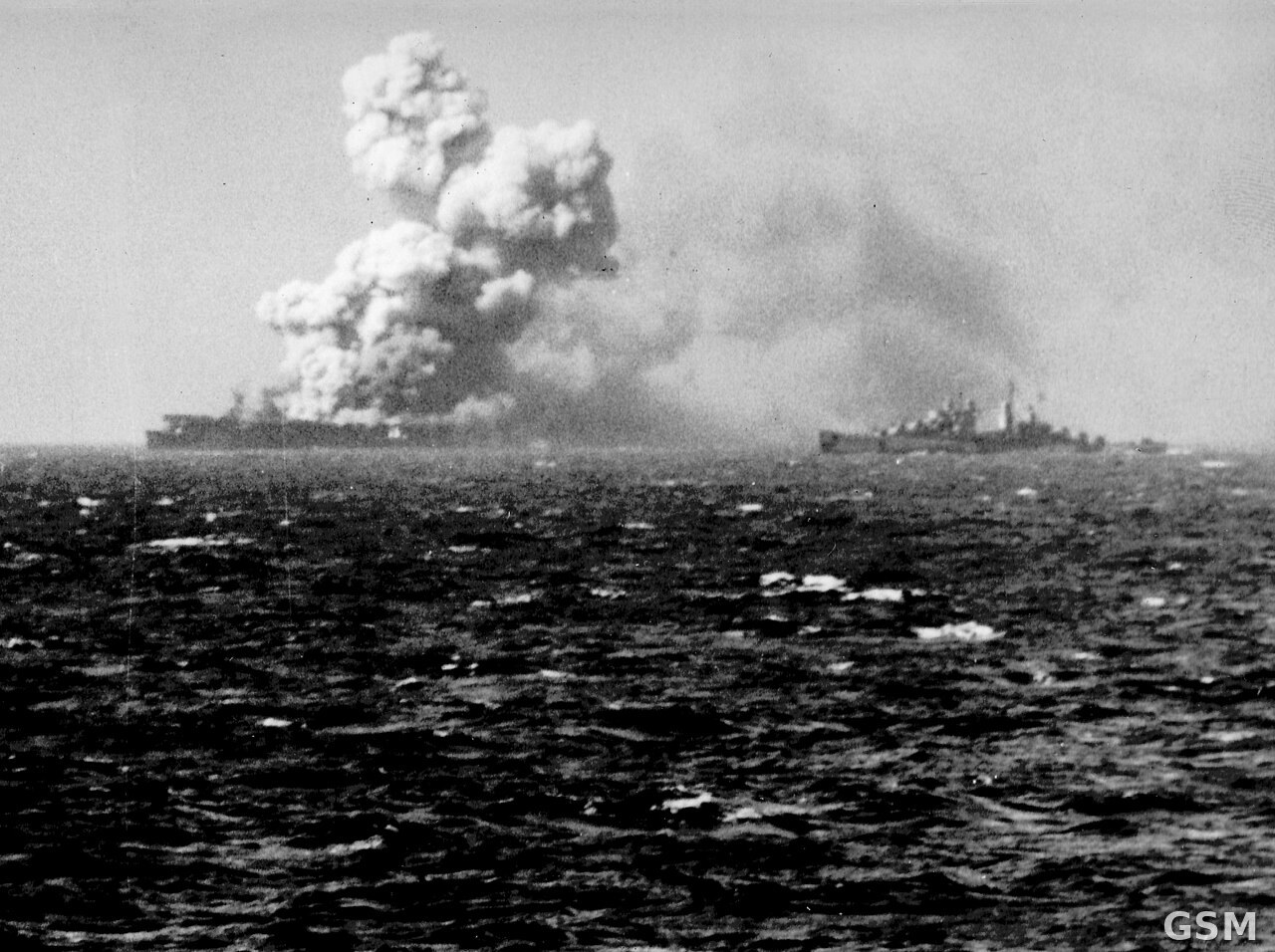
1944, the Philippines and the United States: The Battle of Leyte Gulf was fought from October 23 to 26 in the waters around Leyte Gulf in the Philippines, between combined U.S. and Australian forces and the Imperial Japanese Navy. According to Encyclopaedia Britannica, the battle crippled the Japanese Combined Fleet, permitted the U.S. invasion of the Philippines, and reinforced Allied control of the Pacific; it was also the first battle in which Japanese aircraft carried out organized kamikaze attacks.
1954, France and Germany: On October 23, the documents collectively known as the Paris Agreements were signed in Paris, France. According to the diplomatic records kept by the U.S. Department of State's Office of the Historian, the signings that afternoon included the protocol ending the occupation regime in West Germany and the protocol inviting West Germany to accede to the North Atlantic Treaty. The agreements entered into force on May 5, 1955, setting West Germany on the path to restored sovereignty and NATO membership.
1956, Hungary: On October 23, a large-scale demonstration by students and citizens in Budapest, Hungary, called for political and economic reforms and the withdrawal of Soviet troops. After clashes with security forces, the protests grew into a nationwide revolution. Imre Nagy was appointed prime minister again the next day. In early November, Soviet forces intervened in strength and the revolution was crushed; according to Encyclopaedia Britannica, about 2,500 Hungarians died in the fighting.
1983, Lebanon: In the early morning of October 23, two suicide truck bombs struck the barracks of American and French members of the multinational peacekeeping force in Beirut, Lebanon. According to Encyclopaedia Britannica and U.S. Navy records, the blast at the U.S. Marine barracks killed 241 American service members, including 220 Marines, 18 sailors and three soldiers; minutes later, an attack on the French barracks killed 58 French service members. It was the deadliest single day for the U.S. Marine Corps since the Battle of Iwo Jima in the Second World War.
2001, the United States: On October 23, Apple introduced the first iPod at its headquarters in Cupertino, California. According to Apple's press release issued that day, the portable music player carried a 5GB hard drive holding about 1,000 songs, was priced at $399, and was promoted with the line "1,000 songs in your pocket." It went on sale on November 10 that year.
2026, China: October 23 is Frost's Descent (Shuangjiang), one of China's traditional 24 solar terms. It is the 18th solar term and the last one of autumn. The ancient Chinese text Collected Explanations of the 72 Seasonal Divisions describes the term as the time when the air turns cold and dew congeals into frost. The next solar term, the Beginning of Winter, falls on November 7.
Source: GSM · USA (original Chinese edition)
Photo: 图:1944年莱特湾海战期间,美国海军轻型航母 Princeton 号(CVL-23)于1944年10月24日遭日机轰炸后起火爆炸,旁为前来救援的 Reno 号轻巡洋舰(CL-96)。美国海军官方照片,公共领域,经维基共享资源发布。Photo: The U.S. Navy light aircraft carrier USS Princeton (CVL-23) burning after being bombed by a Japanese aircraft on October 24, 1944, during the Battle of Leyte Gulf, with the light cruiser USS Reno (CL-96) alongside. Official U.S. Navy photograph, public domain, via Wikimedia Commons.