FCC Robocall Rule Takes Effect Nov. 25: Opting Out of One Category of Informational Calls Will No Longer Cut Off Fraud Alerts and Other Calls
The Federal Communications Commission (FCC) final rule revising how consumers revoke consent for robocalls was published in the Federal Register on October 26 (91 FR 67214, Document No. 2026-21821) and takes effect on November 25, 2026: a request to stop one category of informational robocalls or texts will revoke consent only for that category, instead of cutting off all calls from the same caller, so bank fraud alerts, multi-factor authentication, appointment reminders and utility outage calls can keep coming.
The rule replaces the "revoke all" approach that had been scheduled to take effect on January 31, 2027. The FCC said the old reading was overinclusive: a consumer who revoked consent in response to payment reminders would, under the old interpretation, also lose fraud alerts, multi-factor authentication, appointment reminders and utility outage calls even when that was not the consumer's intent, and consumers might not even know that revoking one category revoked everything. The category-specific change applies only to informational calls.
Telemarketing is excluded from the flexibility: one revocation in response to a call or text containing an advertisement or constituting telemarketing revokes consent to all future telemarketing robocalls and texts from that caller, and a residential subscriber's do-not-call request also applies to affiliated entities the consumer would reasonably expect to be included.
The rule also clarifies how consent can be revoked. Callers may designate an exclusive revocation method, but must disclose it clearly and conspicuously on the call or in the text. The three permitted methods are an automated, interactive voice or key-press opt-out mechanism; a text reply using standardized words; or a website or telephone number provided by the caller. The seven standardized words are "stop," "quit," "end," "revoke," "opt out," "cancel" and "unsubscribe"; a text sender may disclose just one of them (for example, "reply stop") in each message, but must still honor a revocation made with any of the seven. Callers that do not designate an exclusive method must keep processing revocations made by any reasonable means.
The exemption letting financial institutions alert customers to fraud and identity-theft risks was also broadened: institutions may now use wireless numbers obtained from a reliable source, including a number supplied by an authorized family member such as a spouse, a number obtained when the customer called the institution, or a number in records obtained from another financial institution. The FCC encouraged use of the Reassigned Numbers Database to avoid calling reassigned numbers, and institutions must honor opt-out requests.
The order (FCC 26-67, CG Docket No. 02-278) was adopted on September 30, 2026 and released on October 1, 2026. The FCC also directed its Consumer and Governmental Affairs Bureau, in consultation with the Enforcement Bureau, to review the organization and readability of the robocall rules, without changing their substance.
Source: GSM · USA (original Chinese edition)
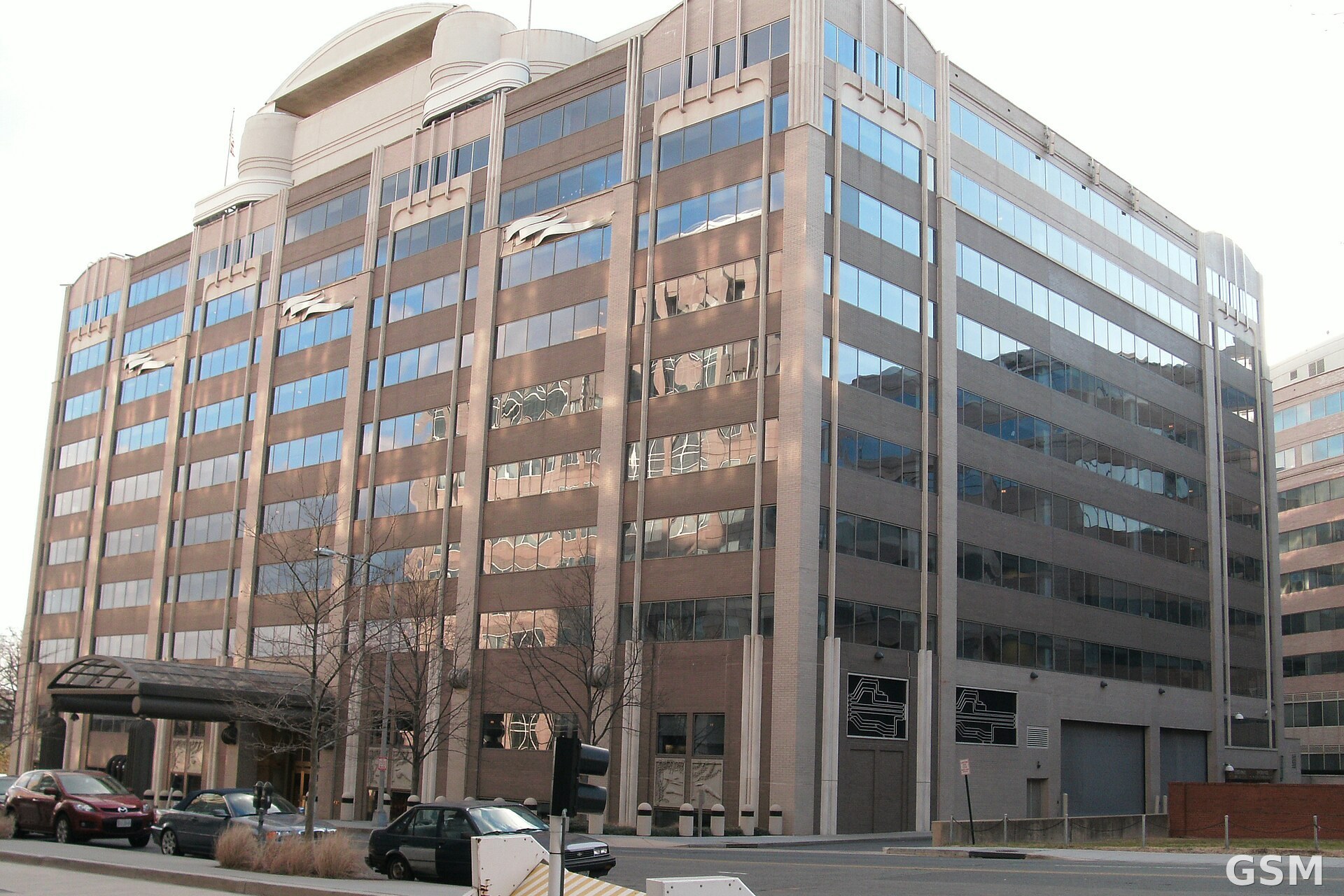
Photo: 联邦通信委员会(FCC)总部大楼(资料图)。照片:Ser Amantio di Nicolao,CC BY 3.0,经 Wikimedia Commons。