On This Day: October 27, Major World Events in History
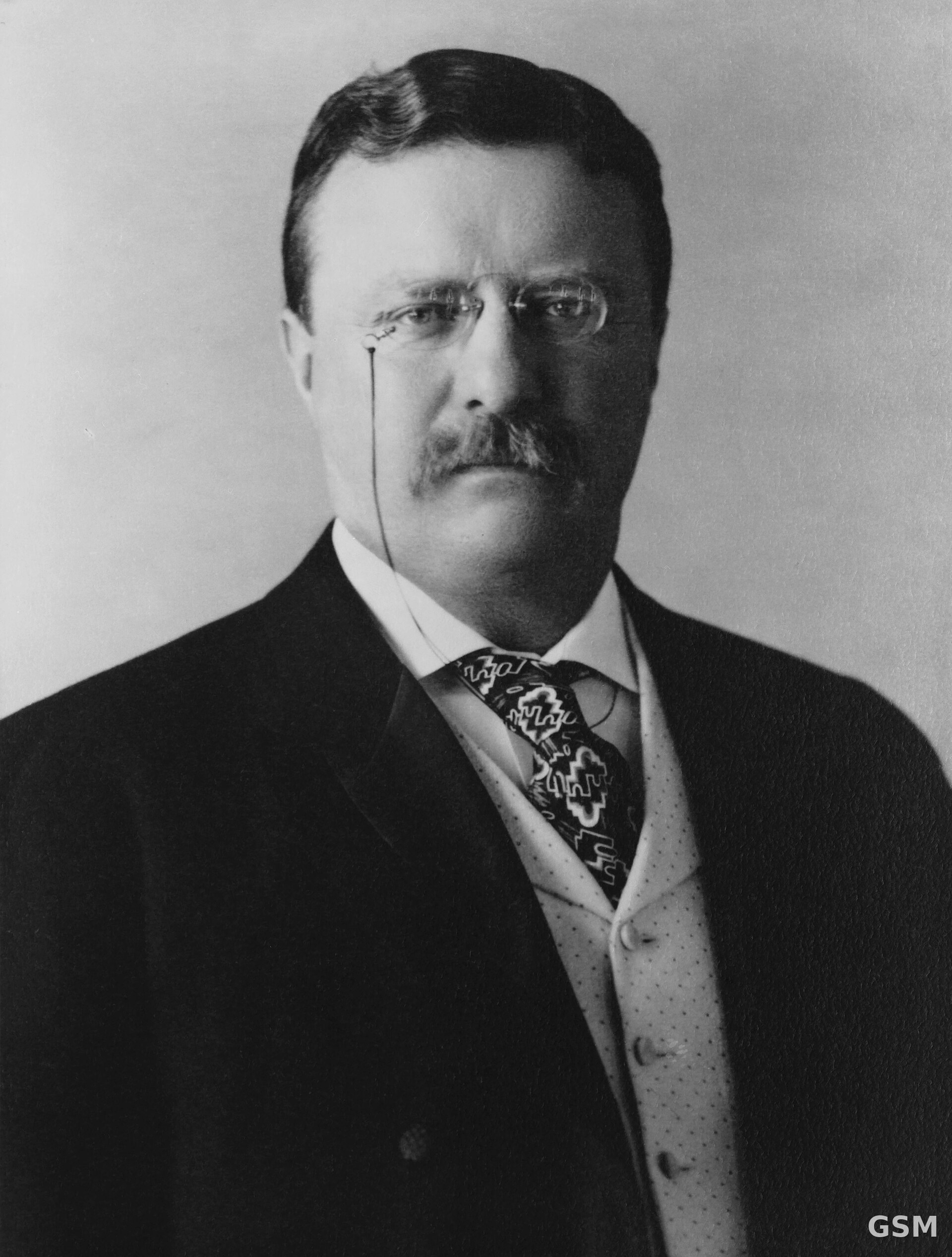
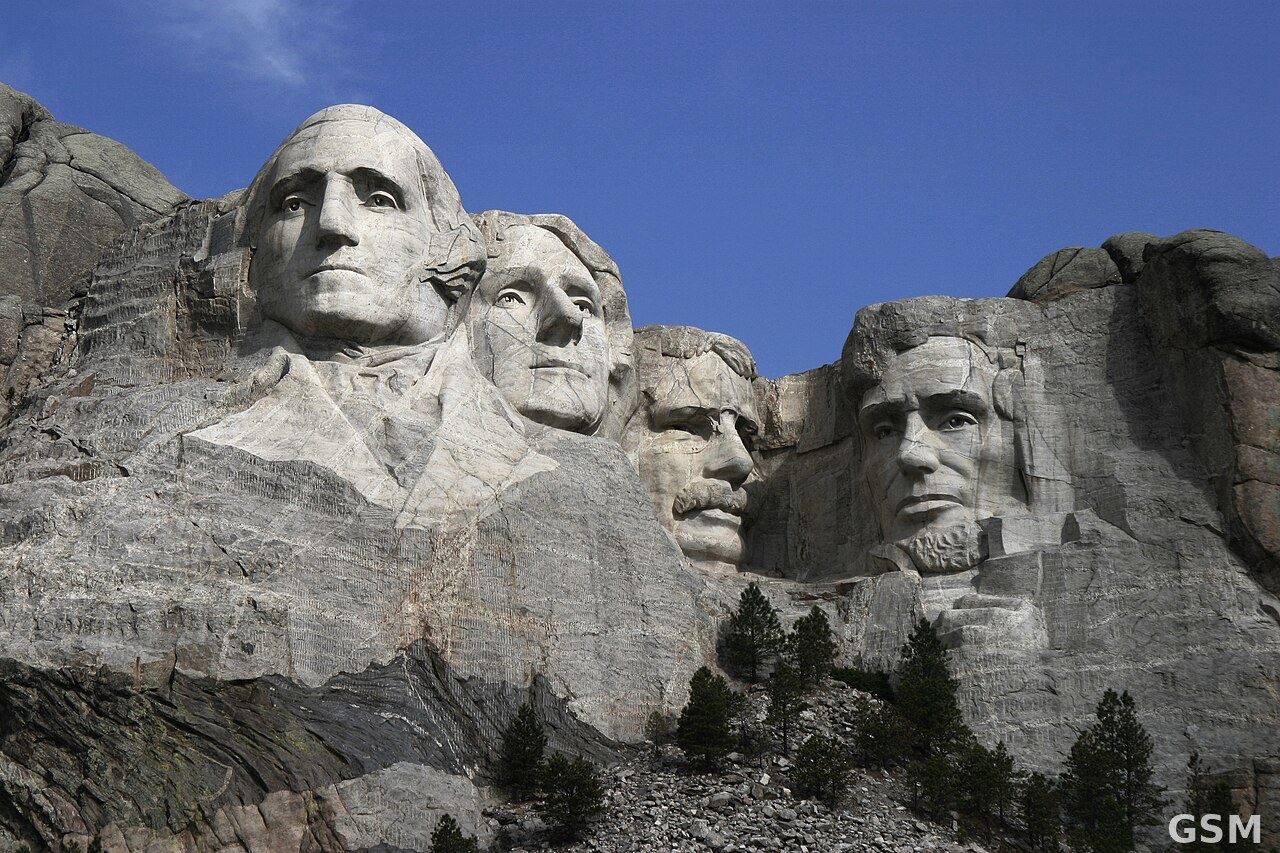
1858, United States: Theodore Roosevelt was born in New York City. He served as the 26th U.S. president from 1901 to 1909, expanded the powers of the presidency and the federal government, and received the Nobel Peace Prize. A central figure in the conservation movement, he is still honored by the National Park Service, which marks his birthday, October 27, as one of its annual fee-free days.
1275, Netherlands: The traditional founding date of Amsterdam, taken from a 1275 document that first mentions the settlement on the Amstel River; the city grew into the Netherlands' largest city and a major port.
1682, United States: William Penn founded Philadelphia in the colony of Pennsylvania. The city later became a center of the American independence movement, where both the Declaration of Independence and the U.S. Constitution were produced.
1904, United States: The first line of the New York City Subway opened, running from City Hall to 145th Street. The system grew into one of the largest rapid transit networks in the world and reshaped the city's growth.
1937, China: In the closing stage of the Battle of Shanghai, Xie Jinyuan of the National Revolutionary Army's 88th Division led the 1st Battalion, just over 400 men, into Shanghai's Sihang Warehouse before dawn on October 27, holding off Japanese attacks to cover the main force's retreat westward. Dubbed the "Eight Hundred Heroes," the battalion fought for four days before withdrawing across Suzhou Creek into the International Settlement on October 31.
1949, China: The Battle of Kinmen, known in Taiwan as the Battle of Guningtou, ended on October 27. A total of 9,086 People's Liberation Army troops had landed on Kinmen beginning on October 25; after three days of fighting against Nationalist defenders, the landing force was entirely killed or captured. The defeat left Kinmen under Nationalist control and became a turning point in the closing phase of the Chinese Civil War.
1950, China: Chinese Communist Party leader Ren Bishi died of illness in Beijing at the age of 46. One of the five secretaries of the party's Central Secretariat, he had long overseen organizational and youth work and was known as the "camel of the party" for his tireless, load-bearing diligence; he was the earliest member of the new republic's top leadership to die after its founding.
1962, Cuba, the United States and the Soviet Union: The Cuban Missile Crisis reached its most dangerous day, known as Black Saturday. A U.S. U-2 reconnaissance plane was shot down over Cuba; the same day, aboard the Soviet submarine B-59, officer Vasily Arkhipov refused to authorize the launch of a nuclear torpedo as U.S. forces dropped warning depth charges. The crisis was ultimately resolved through diplomacy.
1966, China: China conducted its first combined missile-and-nuclear-weapon test on October 27. A Dongfeng-2A missile carrying a live nuclear warhead was launched from the Jiuquan missile test base, flew 894 kilometers, and the warhead detonated 569 meters above the Lop Nur target area in Xinjiang, with a yield of about 12 kilotons. The test gave China a missile-delivered nuclear weapon usable in actual combat.
1979, Saint Vincent and the Grenadines: The country gained full independence from the United Kingdom, the last of the Windward Islands to do so, remaining within the Commonwealth.
1991, Turkmenistan: Turkmenistan declared independence from the Soviet Union. Its Soviet-era leader, Saparmurat Niyazov, continued as president, and October 27 is marked as the country's Independence Day.
2017, Spain: Catalonia's parliament voted to declare the region independent from Spain; the central government dismissed the legislature and called new elections, in which pro-independence parties again won a majority of seats.
Source: GSM · USA (original Chinese edition)
Photo: 图:西奥多·罗斯福总统肖像(1904年摄)。他生于1858年10月27日。图片:Pach Brothers 摄,公共领域(Wikimedia Commons)。Photo: Portrait of President Theodore Roosevelt, 1904. He was born on October 27, 1858. Credit: Pach Brothers, public domain, via Wikimedia Commons.