U.S. Supreme Court Refuses to Reinstate Immigration Judges' Power to Shelve Deportation Cases: Deal With Texas Barring Administrative Closure Stays in Place
The U.S. Supreme Court on Tuesday, October 27, declined to reinstate the authority of immigration judges to temporarily postpone deportation cases, denying an emergency request by three U.S. cities, including Baltimore, and an immigrant legal advocacy group, and keeping in place an agreement between the Trump administration and Texas that bars the practice known as administrative closure while litigation continues.
The Court's decision was issued as a brief, one-sentence order without explanation, as is common for emergency requests. None of the justices publicly dissented.
Administrative closure is a docket-management practice immigration judges relied on for decades to temporarily shelve certain deportation cases, including when separate proceedings involving the same person were pending that could prevent removal, such as a visa petition or an appeal of a criminal conviction. Over the years, the practice has been applied in hundreds of thousands of deportation cases.
The dispute stems from June 22, when Texas sued in federal court to challenge the procedure and the administration filed its agreement with the state the same day; a federal judge in Texas swiftly approved the agreement the same day. Baltimore and the other applicants argued the federal government improperly colluded with Texas to secure the practice's invalidation. Texas and the administration have said administrative closure allowed people without legal status to remain in the United States indefinitely, acting in effect like an amnesty.
Tuesday's order addresses only the emergency request and does not finally decide whether administrative closure is lawful; the underlying litigation continues.
Source: GSM · USA (original Chinese edition)
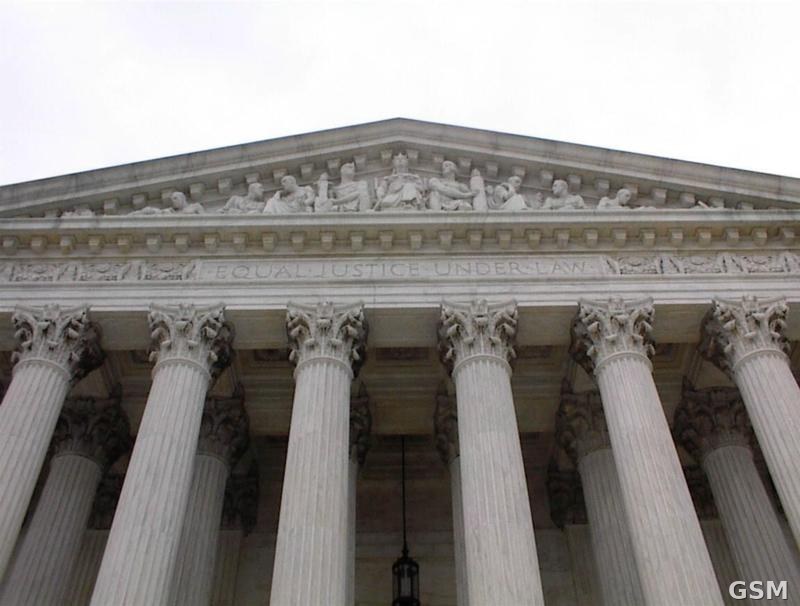
Photo: 图:位于华盛顿的美国最高法院大楼西立面(资料图)。Wikiwopbop摄,CC BY-SA 3.0,来源:Wikimedia Commons / Photo: West facade of the U.S. Supreme Court Building in Washington, D.C. (file photo). Photo by Wikiwopbop, CC BY-SA 3.0, via Wikimedia Commons