Follow-Up: IRS Grants Tax Relief in 62 Texas Counties Hit by July Storms, Deadlines Postponed to Feb. 1, 2027
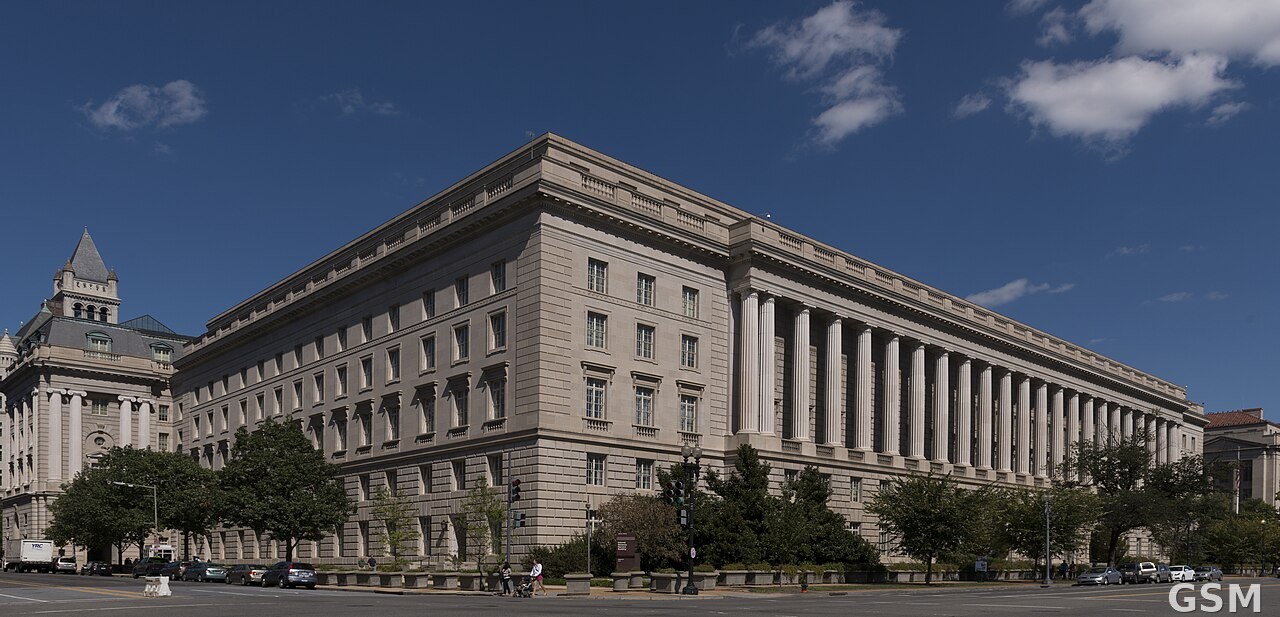
The Internal Revenue Service (IRS) announced on October 27 in release TX-2026-05 that individuals and businesses in 62 Texas counties affected by severe storms that began on July 14, 2026, now have until February 1, 2027, to file various federal individual and business tax returns and make tax payments that were originally due during that period.
The 62 counties covered are Atascosa, Austin, Bandera, Bastrop, Bexar, Blanco, Brazoria, Brewster, Burnet, Caldwell, Colorado, Comal, Crockett, DeWitt, Dimmit, Edwards, Fayette, Fort Bend, Frio, Galveston, Gillespie, Goliad, Gonzales, Grimes, Guadalupe, Harris, Hays, Jackson, Karnes, Kendall, Kerr, Kimble, Kinney, La Salle, Lavaca, Lee, Live Oak, Llano, Mason, Matagorda, Maverick, McMullen, Medina, Menard, Mitchell, Pecos, Real, Schleicher, Sutton, Terrell, Travis, Uvalde, Val Verde, Victoria, Waller, Washington, Webb, Wharton, Williamson, Wilson, Zapata and Zavala counties. Individuals and households that reside or have a business in those counties qualify, as do taxpayers whose records needed to meet a deadline are in the covered area and relief workers affiliated with a recognized government or philanthropic organization assisting in the area. The IRS automatically identifies taxpayers in the covered disaster area and applies the relief; affected taxpayers outside the area can call the IRS Special Services toll-free number at 866-562-5227 to request it.
The February 1, 2027, deadline applies to individuals who had a valid extension to file their 2025 individual income tax return (tax payments for those returns were due April 15, 2026, and are not eligible for this relief), to quarterly payroll and certain excise tax returns normally due on July 31, 2026, and November 2, 2026, and to estimated income tax payments originally due on or after July 14, 2026. Most other returns with an original or extended due date in the period — including individual, corporate, estate and trust, partnership, S corporation, gift and generation-skipping transfer, tax-exempt organization and employment returns — are also postponed to February 1, 2027. Missed payments under an installment agreement will not cause the agreement to default during the postponement period, though interest and late-payment penalties continue to accrue.
Penalties on payroll and excise tax deposits due on or after July 14, 2026, and before July 29, 2026, will be abated if the deposits were made by July 29, 2026; information returns such as Forms W-2 and 1099 and employment and excise tax deposits themselves are not postponed. Affected taxpayers can request copies of previously filed returns without the usual fees by writing the declaration number SD-0018-DR in bold at the top of Form 4506 or Form 4506-T, and anyone who receives a late filing or late payment penalty notice for a due date in the postponement period should call the number on the notice to have the penalty abated. Qualified disaster relief payments are generally excluded from gross income, and additional relief may be available through retirement plans and IRAs. The IRS said the relief follows the disaster declaration issued by the State of Texas, and that under the recently enacted Disaster Related Extension of Deadlines Act, Public Law 119-64, a deadline postponed under section 7508A is treated as an extension for calculating the limit on a tax refund.
Texas Governor Greg Abbott had written to the IRS on October 15 asking it to extend tax deadlines and provide penalty relief for Texans hit by the July storms; this release grants that request.
Related: Abbott Asks IRS to Extend Tax Deadlines for Texans Hit by July Storms
Source: GSM · USA (original Chinese edition)
Photo: 图:位于华盛顿的国税局总部大楼(Internal Revenue Service Building,1111 Constitution Avenue NW)。美国国会图书馆藏品照片,公共领域,来源:Wikimedia Commons / Photo: The Internal Revenue Service Building in Washington, D.C. Library of Congress photo (LCCN2013634106), public domain, via Wikimedia Commons