USDA Announces Nine Additional Practices for the Regenerative Agriculture Pilot in North Dakota on October 27
The U.S. Department of Agriculture's North Dakota office announced in Bismarck, Burleigh County, on October 27 that farmers taking part in the fiscal year 2027 Regenerative Agriculture Pilot Program will be able to apply for additional conservation practices to improve soil health, water quality and long-term farm resilience.
The new practices were announced by USDA's Natural Resources Conservation Service and are intended to let state technical advisory committees recommend conservation measures suited to local resource conditions, production systems and farmer needs. In North Dakota, the nine added practices are windbreak establishment and renovation, field borders, riparian herbaceous cover, filter strips, grade stabilization structures, grassed waterways, saline soil management, tree and shrub establishment, and wildlife habitat management.
The Natural Resources Conservation Service said the change follows its locally led conservation model, supplementing a uniform national set of core practices with locally applicable ones to help farmers adopt conservation systems better matched to conditions on their land.
The Regenerative Agriculture Pilot Program is open to farmers statewide, who may apply for assistance funding for the newly added practices. Agricultural officials reminded interested farmers to learn the application requirements and schedule in time to make use of the new conservation options in fiscal year 2027, putting soil and water protection into practice on their own farms.
Source: GSM · USA (original Chinese edition)
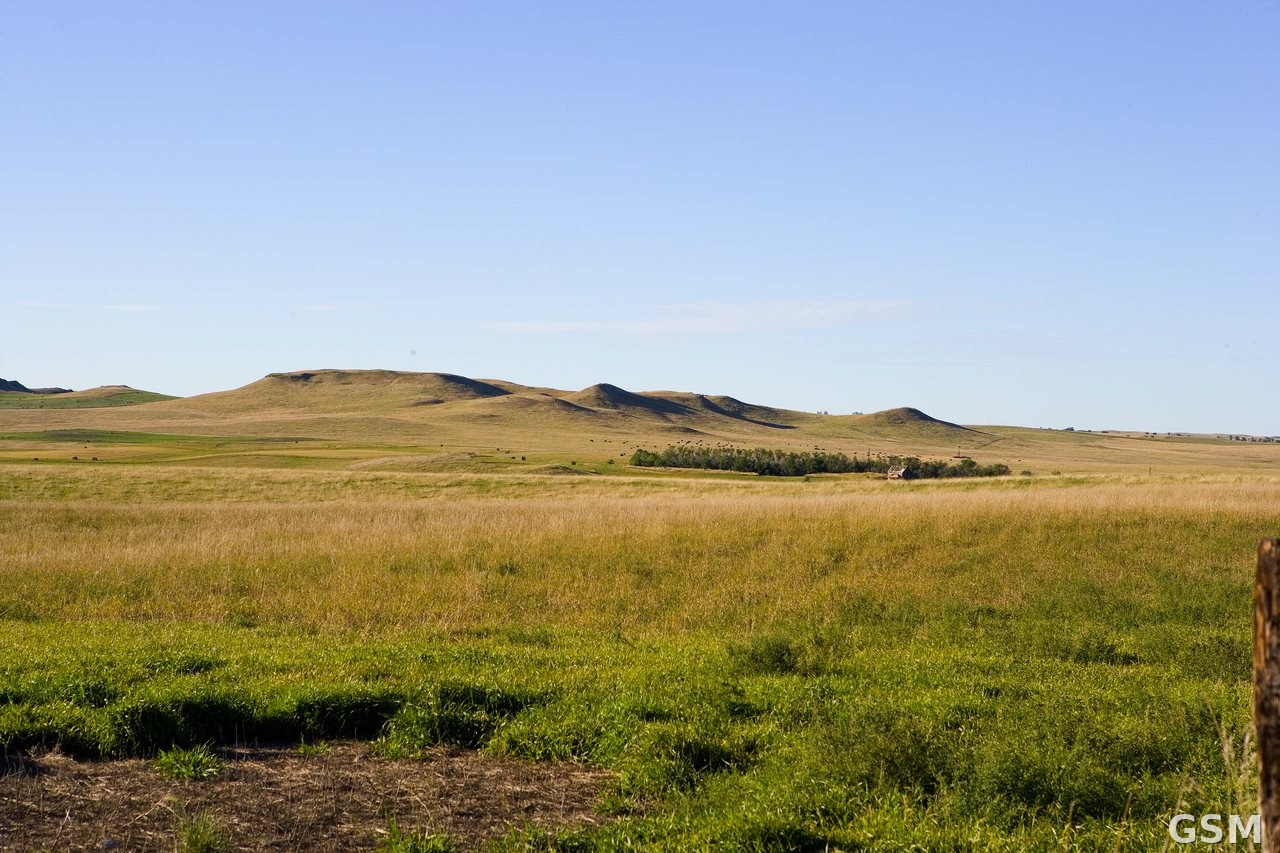
Photo: 北达科他州的河岸草原与野生动物栖息地,美国农业部自然资源保护局的保护措施落地于这类农地景观。 / Riparian grassland and wildlife habitat in North Dakota, the kind of farmland landscape covered by USDA NRCS conservation practices.