FTC Launches Personalized Pricing and Compensation Inquiry, Ordering Delta, Uber, Walmart and Six Others to Turn Over Data
The Federal Trade Commission (FTC) announced on October 28 that it has ordered nine major companies to provide detailed information that will allow the agency to study the use of personal data to set prices and compensation, acting under Section 6(b) of the FTC Act. The orders were issued to airlines Delta, United and JetBlue; ride-sharing companies Lyft and Uber; food-delivery firms DoorDash and Instacart; and retailers Target and Walmart. The recipients will have 45 days from the date they receive the orders to respond, and the Commission vote to approve issuing the special orders was 2-0.
Each company must turn over information that will allow the agency to assess whether the pricing for a ticket, ride share, food delivery or other product or service varies from one person to the next based on factors such as participation in loyalty programs or analysis of personal data by superintelligence (SI) algorithms, and the orders ask the companies to document the inputs, tools and procedures used to adjust or set compensation and pricing. If a company fails to turn over the required information, the Commission has the power to compel compliance in federal court. Under Section 6(b), the Commission has authority to conduct wide-ranging studies that do not have a specific law enforcement purpose, and the agency says the material will be used to publish a study informing regulators and lawmakers.
On compensation, the FTC noted that while airlines typically pay employees a transparent salary or fixed hourly wages, ride-sharing and food-delivery companies may pay their workers shifting compensation offers based on opaque formulas. These companies may engage in personalized compensation based on their drivers' personal data, such as their phone usage or acceptance history for past offers.
'We intend to scrutinize the opaque methodology that some companies in these industries may be using to determine how much consumers pay or how much gig workers are paid for the same product or service,' said FTC Chairman Andrew N. Ferguson. 'Consumers deserve to know whether companies use their web surfing habits or other personal data to estimate the highest price they can charge each consumer. Workers also deserve to know if their compensation is affected by how companies use their personal data.'
The Commission issued a study on personalized pricing in mid-2024 and released staff findings days before President Donald J. Trump took office, but that study examined only middlemen consultancies rather than the businesses that actually set prices, and the agency learned nothing about actual pricing decisions from it. This study corrects the Commission's 2024 approach by demanding information directly from companies that may be engaging in personalized pricing. In August, the Commission invited public comment on a proposed enforcement policy statement describing how the undisclosed use of personal information to set a price unique to a consumer could violate the FTC Act.
In response, according to the Associated Press and Reuters, Delta Air Lines said it has zero tolerance for discriminatory or predatory pricing and fully complies with pricing and advertising laws, stating that there is no fare product Delta has ever used, is testing or plans to use that targets customers with individualized offers based on personal data. JetBlue said it does not use personal information or web-browsing history to set individual prices, that fares are determined by demand and seat availability, and that all customers have access to the same fares. The other companies did not immediately respond to requests for comment.
Source: GSM · USA (original Chinese edition)
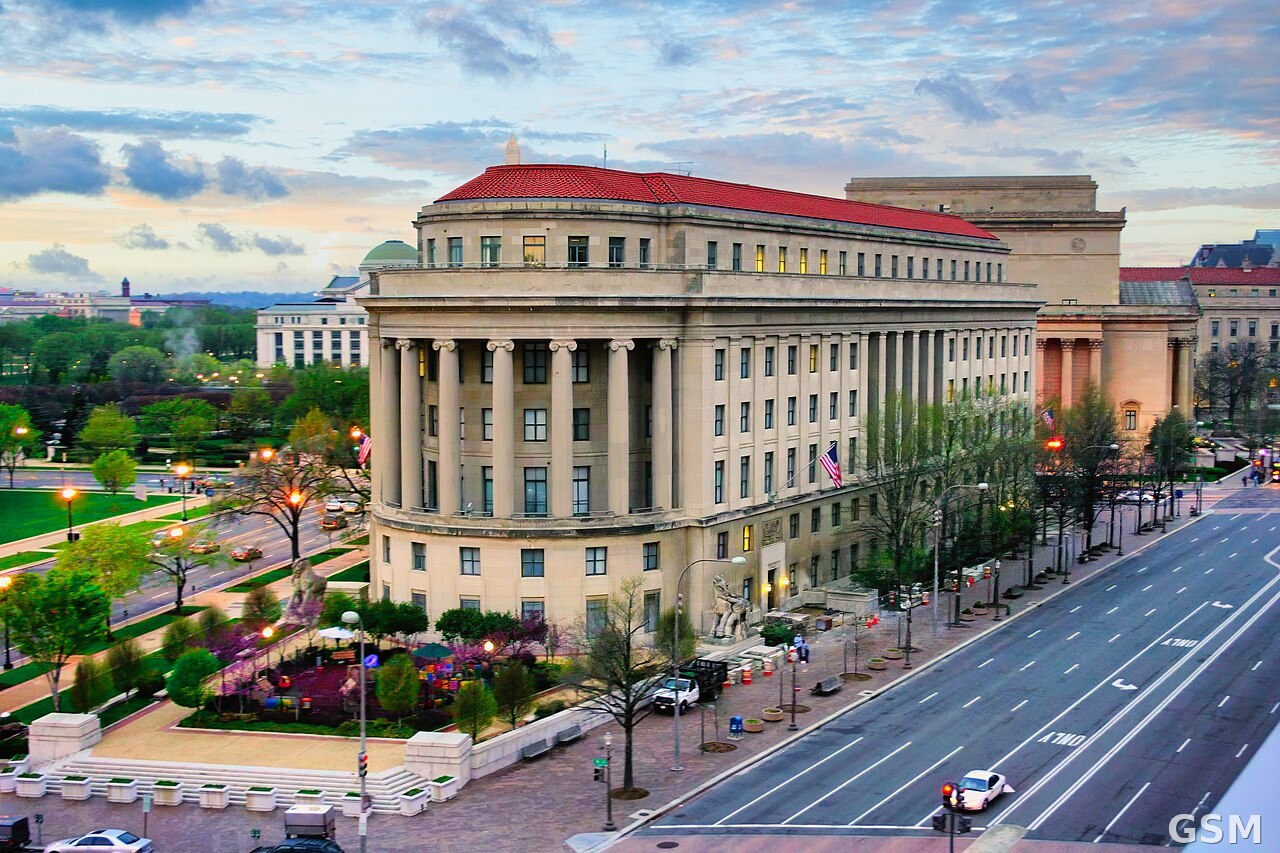
Photo: 图:位于华盛顿Constitution Avenue与7th Street的联邦贸易委员会总部Apex Building全楼(资料图)。图片来源:Harrison Keely摄,CC BY 4.0,经Wikimedia Commons。 / Photo: The Apex Building, headquarters of the Federal Trade Commission, at Constitution Avenue and 7th Street in Washington, D.C. Photo by Harrison Keely, CC BY 4.0, via Wikimedia Commons.