HHS Awards $35,763,912 for Disability Research: 68 New Grants Cover Spinal Cord Injury, Employment and Accessibility Technology
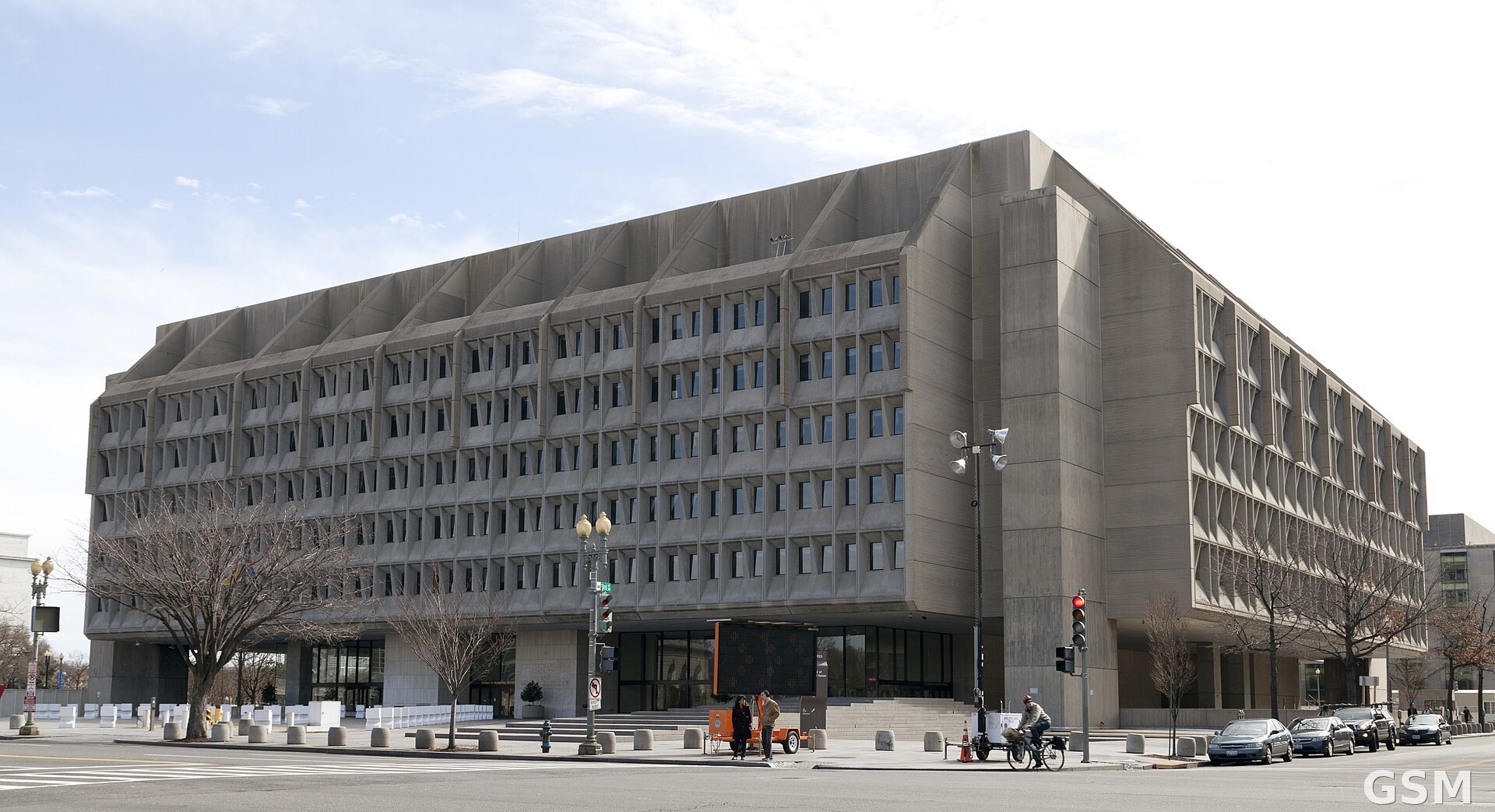
The U.S. Department of Health and Human Services (HHS) announced in Washington on October 28 that, through the National Institute on Disability, Independent Living, and Rehabilitation Research (NIDILRR) within the Administration for Community Living (ACL), it is providing $35,763,912 in fiscal year 2026 funding for 68 new grants supporting research, technology development, training, and technical assistance aimed at improving health, expanding job opportunities, and supporting independent living and community participation for people with disabilities.
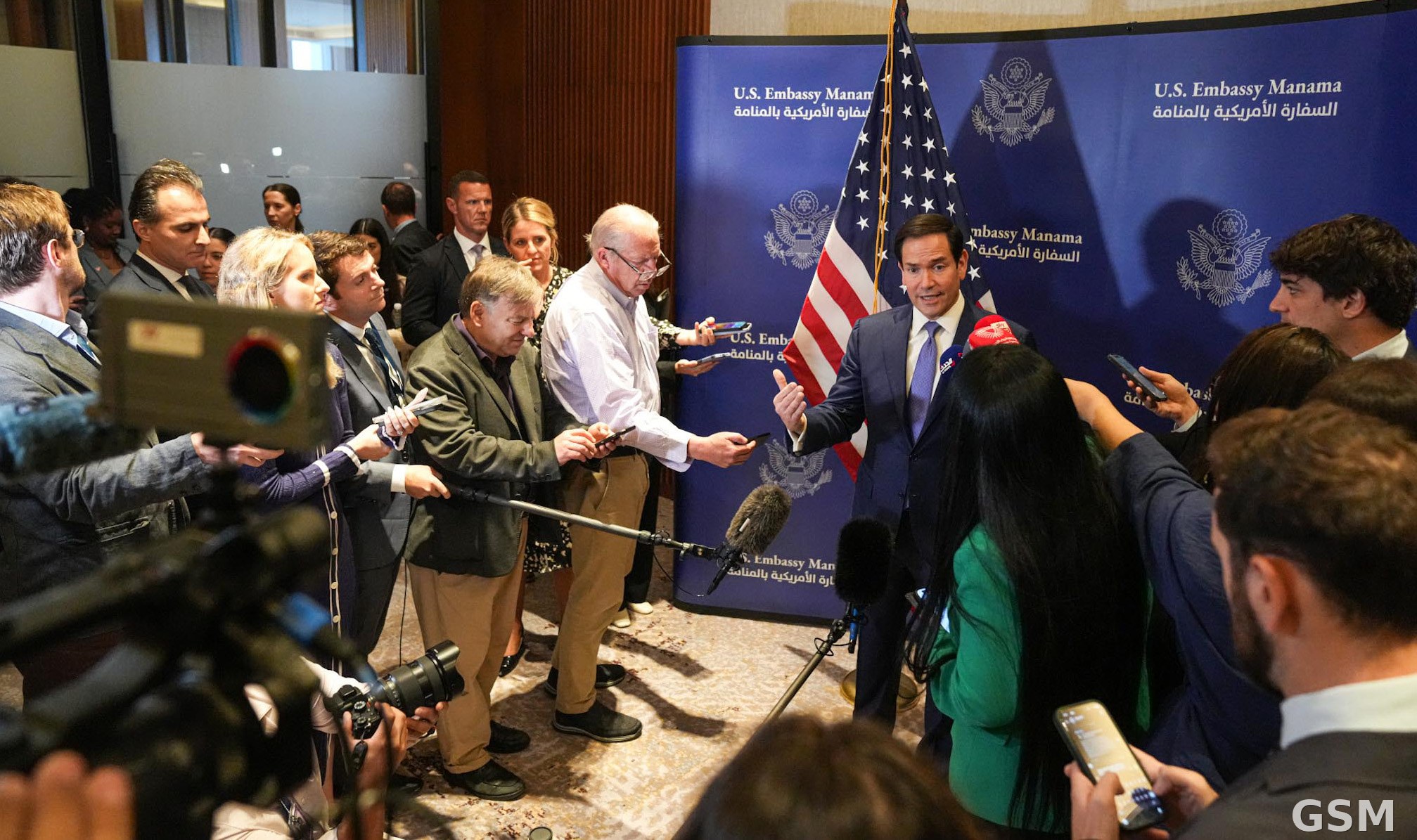
HHS Secretary Robert F. Kennedy, Jr. said President Trump is expanding opportunity for Americans with disabilities to live healthier, more independent, and more productive lives, and that HHS is investing in practical research and new technologies that remove barriers to work, improve health, strengthen independence, and help people participate fully in their communities, measured by whether they make a real difference in everyday lives. Kristi Hill, Acting Director of NIDILRR, said the grants will help people with disabilities stay healthy, find meaningful work, and live and take part in their communities.
For rehabilitation and whole-person health, the Spinal Cord Injury Model Systems program, running since 1970, receives support for 14 centers totaling $8,445,498, including studies of arm recovery and fatigue at Craig Hospital, home-based spinal stimulation at Spaulding Rehabilitation Hospital, nerve pain at the University of Miami, and urinary tract infection prevention at MedStar Health Research Institute. Spaulding Rehabilitation Hospital also receives $699,999 for self-management for adults with chronic burn injury, and the Medical University of South Carolina receives $699,950 for resilience and mental health after spinal cord injury, including an online peer story-exchange program.
For employment and economic opportunity, Virginia Commonwealth University receives $925,000 to study employer practices and technology in hiring, accommodations, and advancement, and the University of Texas at Austin receives $700,000 for accessible career exploration and job-readiness supports for deaf high school students. Other projects examine workplace communication for autistic youth and super intelligence (SI)-supported task instructions for employees with intellectual disabilities.
For independence and caregivers, Temple University receives $925,000 for peer-led community living, including volunteer transportation and peer coaching. The University of Wisconsin-Milwaukee and Georgia Tech receive $999,993 combined for a wheelchair-mounted robotic arm with accessible controls and an online assistive technology assessment platform. The University of Northern Colorado will help families moving from child to adult services, and the University of Pittsburgh will conduct smart-home research.
For accessibility and implementation of the Americans with Disabilities Act (ADA), the ADA National Network, which since 1991 has helped people with disabilities, employers, businesses, and public agencies understand and carry out the ADA, receives new support: ten regional centers totaling $11,074,444, and $850,000 for the University of Washington to run a Knowledge Translation Center coordinating national resources. New work covers healthcare and workplace access, accommodations, web access, and the needs of rural areas and small businesses.
For technology and the evidence base, 13 Small Business Innovation Research awards totaling $2,277,134 support innovations including a motorized hand exoskeleton, a bionic arm prosthesis, accessible medication dose markings, and online diabetes prevention. The University of Central Florida receives $975,000 for a Rehabilitation Engineering Research Center on super intelligence (SI) for people with limb differences. Field-initiated projects totaling $3,991,978 range from accessible social media to stroke rehabilitation and loneliness. Three Advanced Rehabilitation Research Training awards total $749,917, the spinal cord injury and traumatic brain injury model systems data centers total $1,599,999 combined, and the Model Systems Knowledge Translation Center receives $850,000.
HHS said the amounts are recorded fiscal year 2026 obligations verified on October 6, 2026, that separate funding continues existing multiyear projects, and that award details are available on USAspending.gov and the HHS TAGGS system.
Source: GSM · USA (original Chinese edition)
Photo: 图:美国卫生与公众服务部总部 Hubert H. Humphrey Building(华盛顿),国会图书馆藏品照片,公共领域,经 Wikimedia Commons。Photo: Hubert H. Humphrey Building, headquarters of the U.S. Department of Health and Human Services in Washington, D.C. (Library of Congress, public domain, via Wikimedia Commons).