EPA Announces $26 Million to Reduce Lead Exposure in Drinking Water at Schools and Child Care Facilities
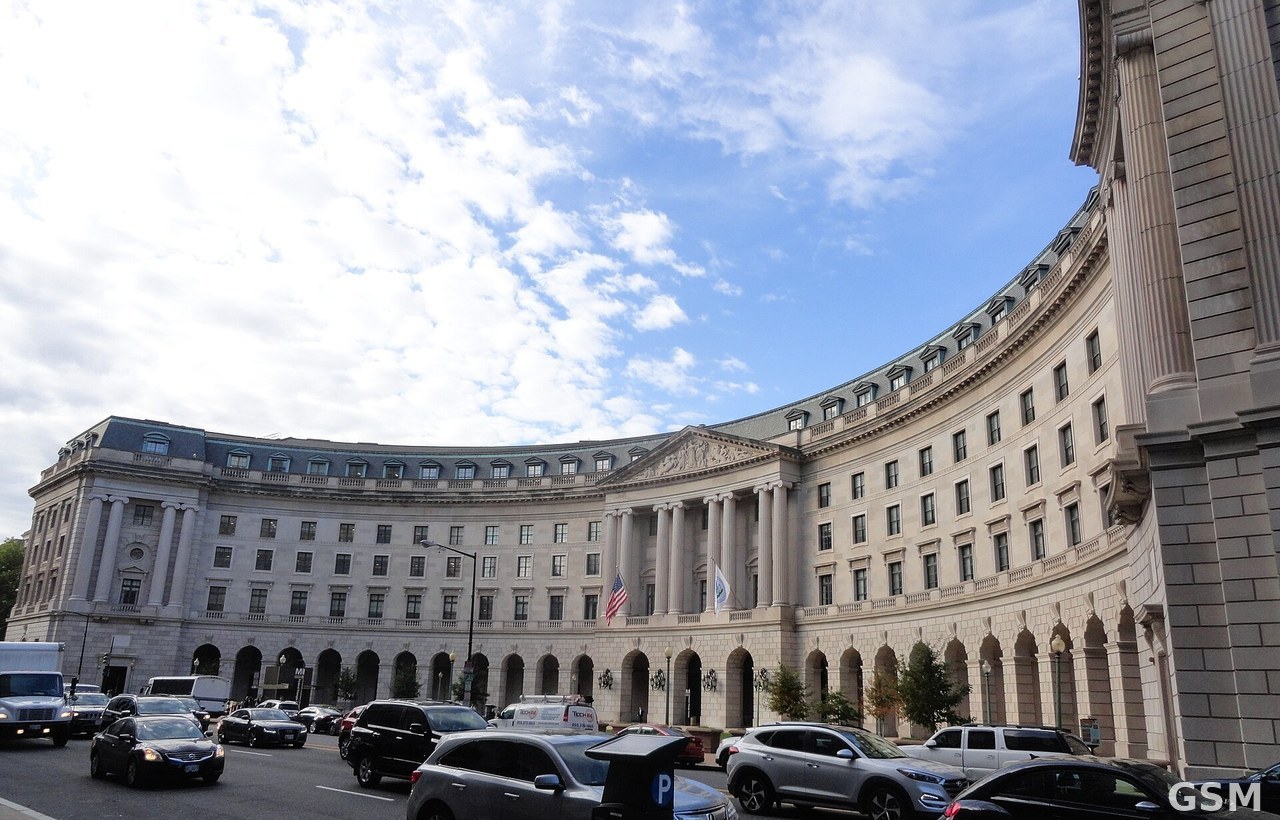
U.S. Environmental Protection Agency (EPA) Administrator Lee Zeldin announced in Washington on October 29 that $26 million in funding will go to states and territories to address lead in drinking water at schools and child care facilities, through the Reducing Lead Where Children Learn Grant Program. October is Children's Health Month, and EPA noted that lead is a dangerous neurotoxin especially harmful to children.
Since 2018, EPA has provided over $300 million through this grant program. That investment has helped nearly 33,000 child care facilities and more than 18,000 schools test their water for lead, while advancing work to address lead pipes or fixtures at over 2,400 child care facilities and 4,200 schools. Allotments for each of the 50 states, the District of Columbia, and four territories accompany the announcement; tribal allotments will be released separately.
"Parents should be focused on the quality of the education their children are receiving at school, not having to worry about lead exposure and the safety of their drinking water," Zeldin said. "EPA is committed to working with our state and local partners to address lead exposure in schools and keep kids safe."
EPA said the effort is part of its work under the government-wide Federal Lead Action Plan, and that its longstanding Training, Testing, and Taking Action program (3Ts) helps states and local authorities build voluntary programs to reduce lead in drinking water at schools. The agency recently published a revamped lead website with information on preventing exposure, available via the EPA's lead information page.
Source: GSM · USA (original Chinese edition)
Photo: 图:位于华盛顿的美国环保署总部大楼(素材库 federal-core 固定图)。GSM 素材库。 / The U.S. Environmental Protection Agency headquarters building in Washington. GSM asset library (federal-core pack).