Labor Department Finalizes PBM Fee Disclosure Rule: Rebates, Spread Pricing and Pharmacy Clawbacks Must Be Disclosed, With Up to $22 Billion in Projected Savings
The Employee Benefits Security Administration (EBSA) of the U.S. Department of Labor (DOL) on October 29 finalized a rule in Washington that will require pharmacy benefit managers (PBMs) and their affiliated brokers and consultants to disclose their fees and compensation to large employers' self-insured group health plans for the first time. The rule, titled Improving Transparency into Pharmacy Benefit Manager Fee Disclosure, was announced in DOL release 26-1557-NAT and was issued under the statutory service provider prohibited transaction exemption of the Employee Retirement Income Security Act (ERISA).
Under the final rule, PBMs must disclose to plan fiduciaries three categories of information never before required: rebates and other payments from drug manufacturers; spread compensation, received when the price paid by the plan for a prescription drug exceeds the amount reimbursed to the pharmacy; and payments recouped from pharmacies in connection with prescription drugs dispensed to plan participants. EBSA's fact sheet issued the same day also places inflation and price protection arrangements within the disclosure scope. The disclosures are meant to allow plan fiduciaries to assess the reasonableness of PBM compensation and to fulfill their duties under ERISA.
The final rule also allows plan fiduciaries to audit the accuracy of PBM disclosures, and provides additional relief for fiduciaries if a PBM fails to meet its obligations.
The rule applies to covered service providers to large, self-insured group health plans, generally self-insured plans with 100 or more participants or self-insured plans offered by employers with 100 or more employees; providers expecting to receive $1,000 or more in compensation are covered. The Labor Department said employer-sponsored self-insured group health plans cover approximately 90 million Americans, but plan fiduciaries often cannot get a full picture of the compensation PBMs and their affiliates receive from drug manufacturers, pharmacies and others. Service providers to smaller group health plans and to fully insured plans must still meet the statutory disclosure requirements.
The department projected that the final rule will lower prescription drug costs for health plans and participants by as much as $22 billion, undiscounted, over 10 years.
"This is a win for every American worker who has ever paid too much at the pharmacy counter," said Secretary of Labor Keith Sonderling. "For years, PBMs have operated in the shadows, pocketing hidden fees while workers and employers were left in the dark. Today, President Trump is delivering the transparency Americans deserve, and putting American workers first."
"The rule gives employers the tools they've been denied for far too long," said Daniel Aronowitz, Assistant Secretary for the Employee Benefits Security Administration. "When employers can finally see what PBMs are really being paid, they can negotiate harder, cut out the waste, and pass real savings on to their workers."
The rule implements the bipartisan transparency reforms Congress enacted earlier this year as part of the Consolidated Appropriations Act, 2026, and fulfills the executive order titled Lowering Drug Prices by Once Again Putting Americans First. The regulation takes effect 60 days after publication in the Federal Register and applies to plan years beginning on or after July 1, 2027.
Source: GSM · USA (original Chinese edition)
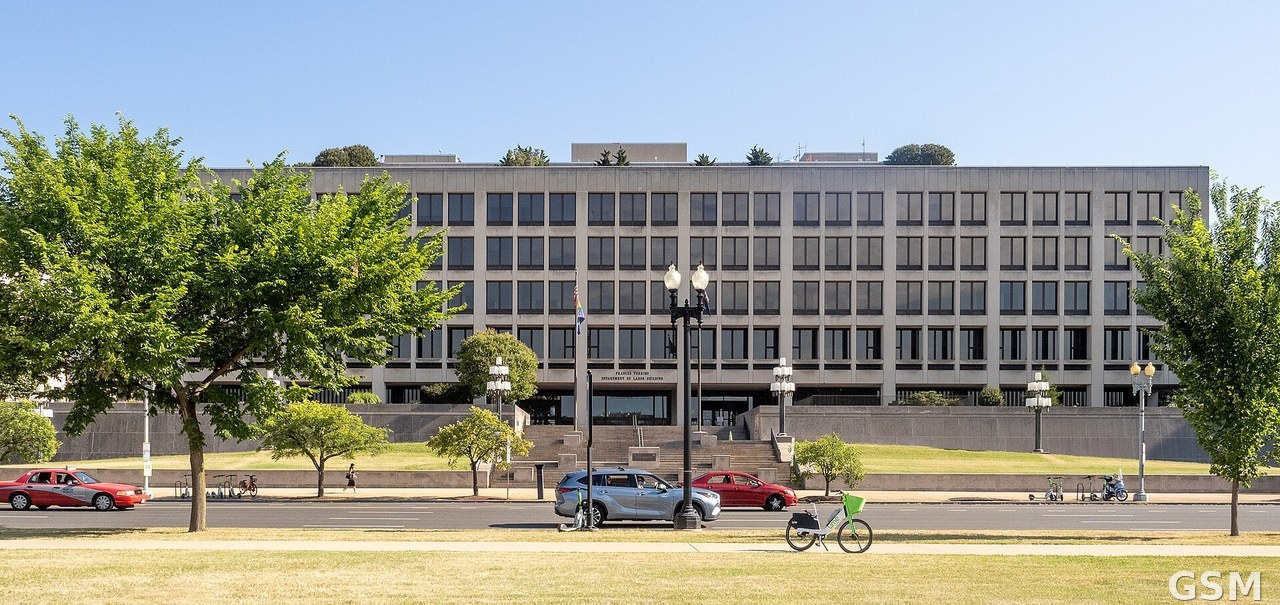
Photo: 图:位于华盛顿的美国劳工部总部 Frances Perkins 大楼。ajay_suresh 摄,经 Wikimedia Commons,授权 CC BY 2.0。 / Photo: The Frances Perkins Building, headquarters of the U.S. Department of Labor in Washington. Photo by ajay_suresh, via Wikimedia Commons, CC BY 2.0.